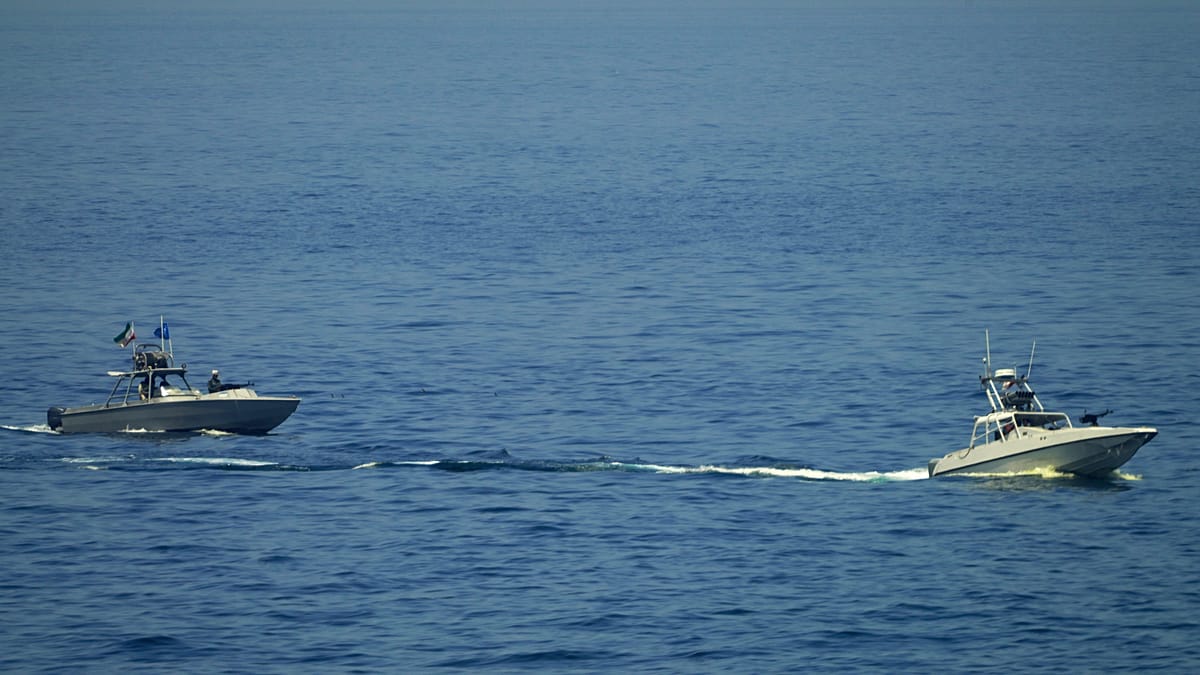
European leaders are caught in a precarious situation, forced to choose between appeasing their domestic constituents and aligning with the United States on its stance towards Iran. The crisis has been brewing since Iran blocked key shipping routes, exacerbating an energy crisis that threatens to destabilize global markets.
The US, under President Trump, has been applying pressure on European nations to join its campaign against Iran. However, this stance has put European leaders in a difficult position, as they risk alienating their voters if they comply with the US demands. On the other hand, refusing to cooperate could lead to domestic unrest, particularly in countries heavily reliant on imported energy.
The situation has sparked intense debate among European policymakers, with some arguing that they must prioritize their national interests and find a way to ease the energy crisis. Others, however, believe that they should stand firm against US pressure and maintain their commitment to the Iran nuclear deal.
The crisis is likely to continue unfolding in the coming days, with European leaders facing a daunting task of balancing their domestic and international obligations.
The US-EU rift over Iran highlights the challenges of navigating a complex web of global alliances. European leaders must navigate the delicate balance between their national interests and their commitment to international cooperation. The crisis underscores the need for a more cohesive and coordinated approach to addressing global challenges.