Southeast Asia's Energy Landscape Shifts as Iran War Disrupts Supplies
Southeast Asia is poised to turn to nuclear energy as a viable alternative to oil and gas, driven by the region's growing energy demand and the escalating conflict in the Middle East. The war has sent crude oil prices surging, prompting countries to accelerate their nuclear efforts. Several Southeast Asian nations are reviving mothballed nuclear plans, with some setting ambitious targets to have nuclear energy in place by the 2030s. Vietnam and Russia have advanced a nuclear power deal, while Bangladesh is racing to power up its new nuclear power plant to address the country's energy shortfalls.
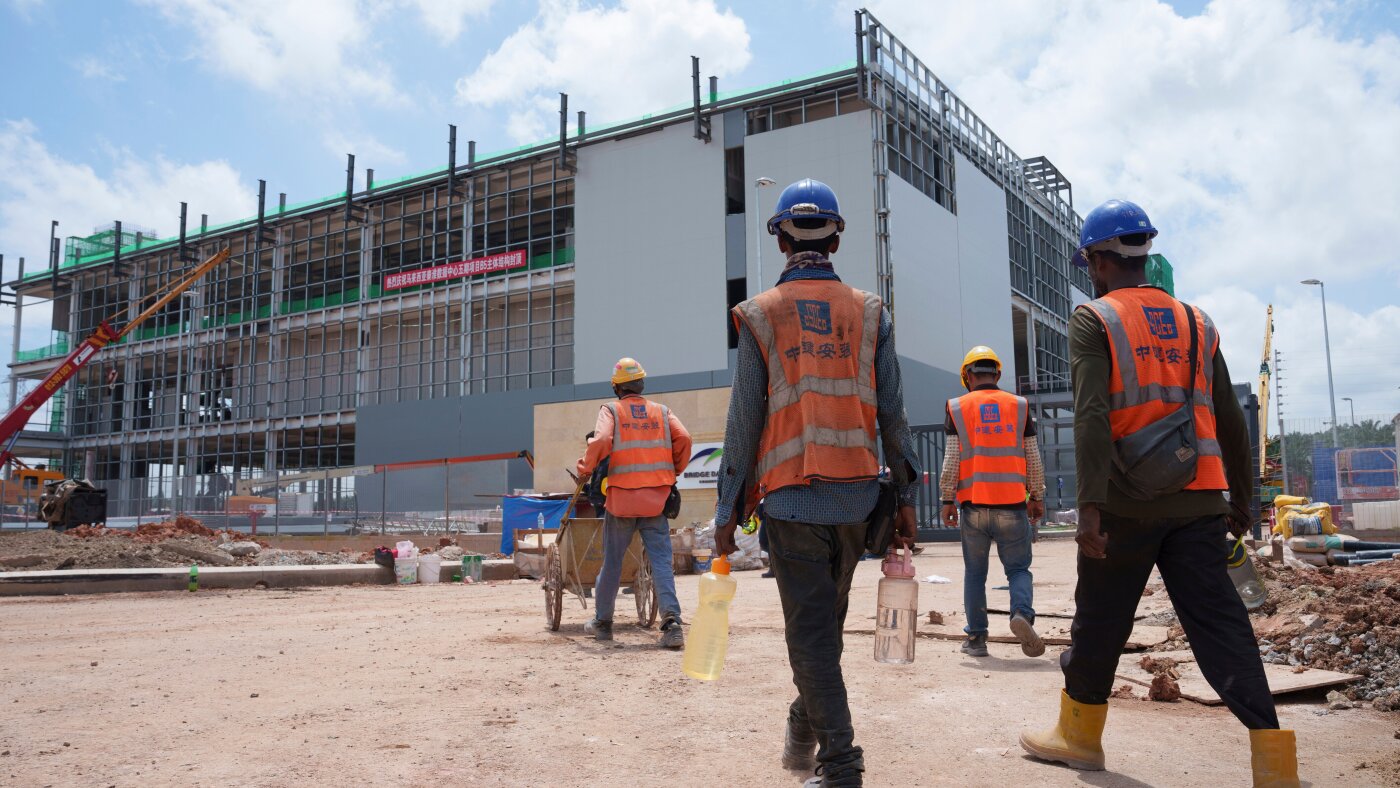
The region's energy security concerns are compounded by the fact that Southeast Asia will account for a quarter of global energy demand growth by 2035, according to the International Energy Agency. This is largely driven by the proliferation of data centers, with over 2,000 facilities already operational in countries such as Indonesia, Malaysia, Singapore, Thailand, Vietnam, and the Philippines. Many more data centers are in the pipeline, with Malaysia aspiring to become Southeast Asia's AI computing hub.
Nigeria's connection to this story is indirect, as the global demand for energy and the push for cleaner alternatives have implications for the global economy. The shift towards nuclear energy in Southeast Asia is part of a broader trend, with nearly 40 nations joining a global push to triple installed nuclear energy capacity by 2050.
The region's nuclear ambitions are expected to gain momentum in the coming years, with several countries already making progress on their nuclear plans. Vietnam is building two nuclear plants, backed by the Russian state corporation Rosatom, while Indonesia has added nuclear to its new energy plan, aiming to build two small modular reactors by 2034.
The escalating conflict in the Middle East has exposed the vulnerability of Asia's energy supplies, highlighting the need for alternative sources of power. Southeast Asia's turn to nuclear energy is a pragmatic response to this challenge, and it is likely to have far-reaching implications for the global energy landscape. As the region's nuclear ambitions gain momentum, it will be interesting to see how this shift plays out in the years to come.