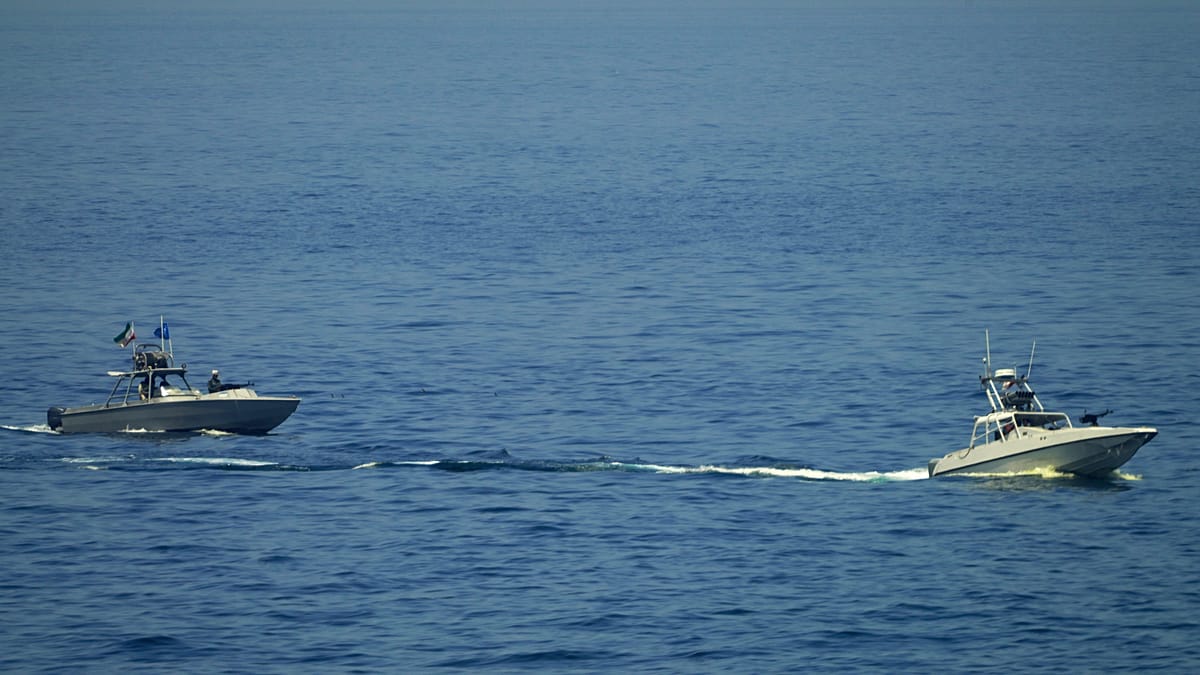
Israel has confirmed that it has carried out a targeted strike that resulted in the death of Commodore Alireza Tangsiri, the head of Iran's Islamic Revolutionary Guard Corps Navy. The operation, described as precise and lethal, also claimed the lives of other senior naval commanders. Israel's Defence Minister Israel Katz stated that Tangsiri was responsible for the military operations in the Strait of Hormuz, a key waterway that has been blocked by Iran since the start of the war. The blockade has significant implications for global energy supplies, as the strait is one of the world's most important routes for oil and liquefied natural gas exports. The conflict has already led to a surge in oil prices, with analysts warning that prices could reach as high as $200 a barrel if the situation escalates further.
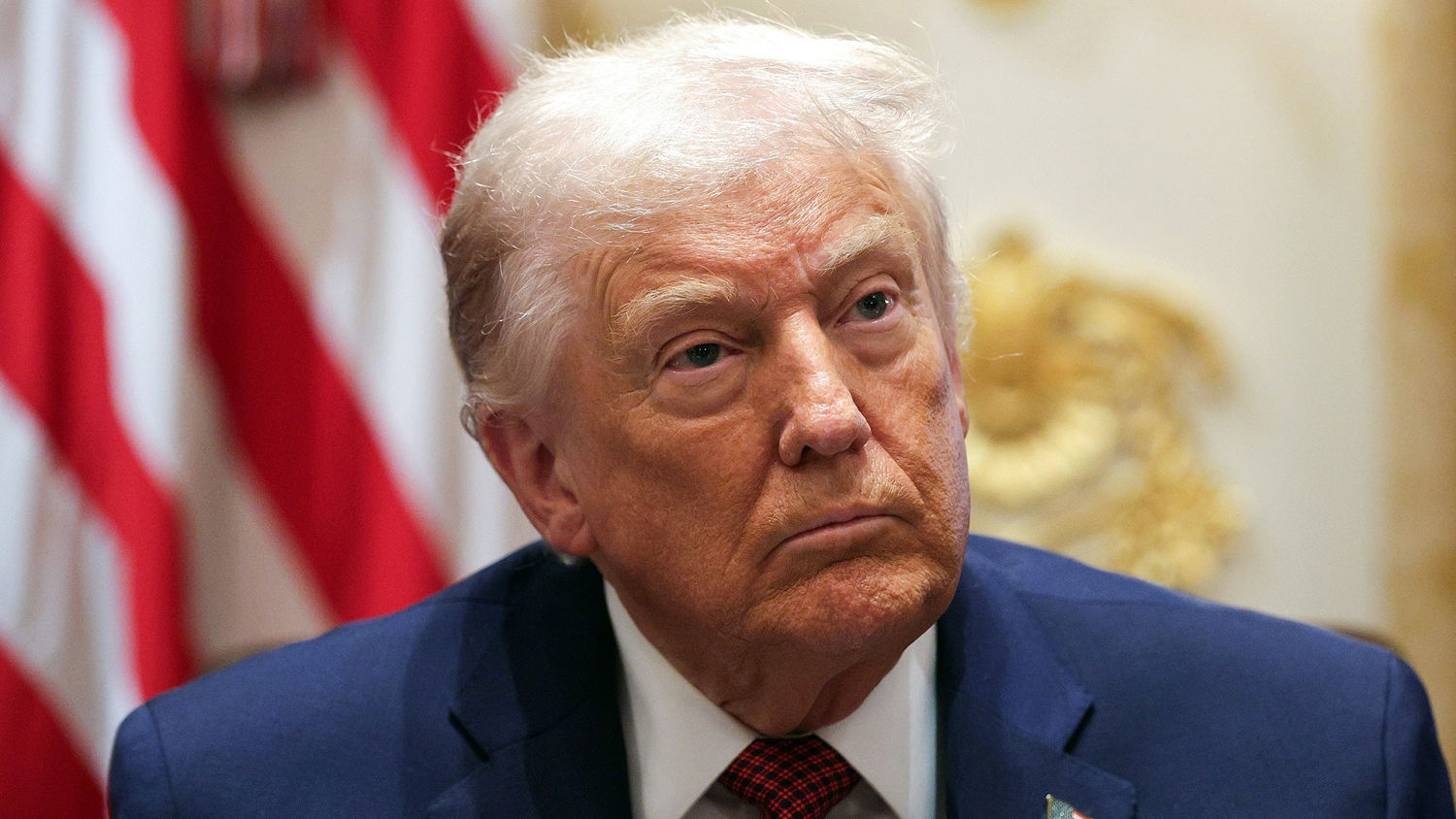
The Strait of Hormuz is a critical waterway that connects the Persian Gulf to the Gulf of Oman, and its closure has significant economic implications for countries that rely on oil imports. The situation has also led to tensions between the US and its NATO allies, with US President Donald Trump criticising them for not doing enough to support the US war effort.
The international community is closely watching the situation, as the conflict has the potential to disrupt global energy supplies and have far-reaching economic consequences.
The targeted killing of Commodore Alireza Tangsiri by Israel sends a clear message that the country will not hesitate to take out senior Iranian military officials. The implications of the conflict for global energy supplies are significant, and the situation has the potential to impact oil prices worldwide. As the situation continues to unfold, it remains to be seen how the international community will respond to the escalating tensions between Israel and Iran.