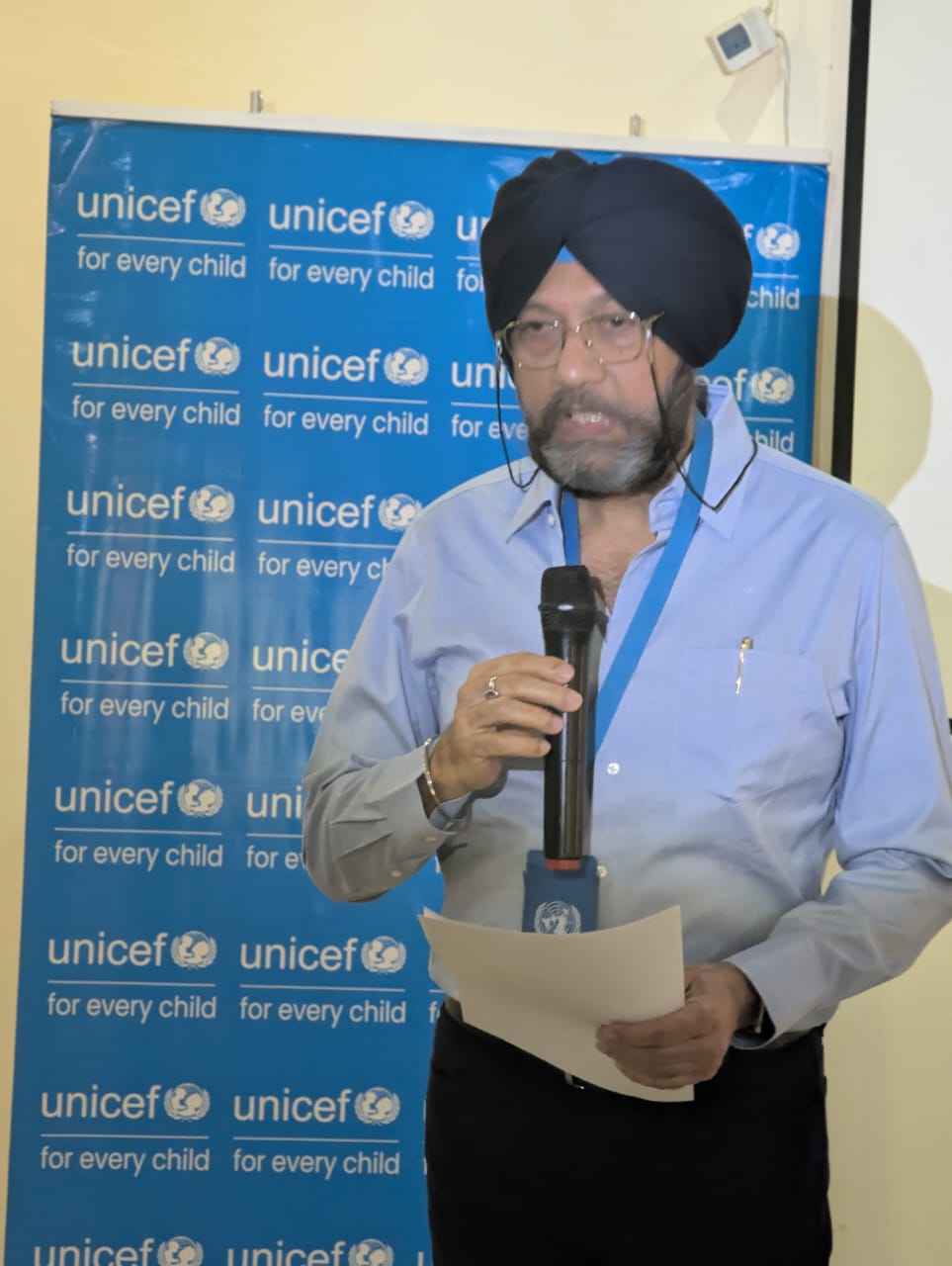
Journalists in Kano and Jigawa states have been tasked to adhere to ethical standards while reporting on children's activities and incidents. The United Nations Children's Fund (UNICEF) Kano Field Office made this appeal during a workshop it organized in conjunction with Kano Radio Corporation in Dutse, Jigawa state. Participants at the workshop included selected journalists, editors, and state correspondents from print and electronic media.
The workshop aimed to highlight key ethical practices in reporting incidents involving children. Dr. Karanveer Singh, Officer-in Charge/Chief of Field Office, UNICEF Field Office, Kano, emphasized the importance of protecting children's rights and privileges as laid down in the Child Rights Act. He noted that journalists play a vital role in safeguarding the rights and dignity of children, describing them as leaders of tomorrow.
Northern Nigeria is currently facing significant challenges in protecting children's rights, making it crucial to ensure children grow up in a safe and supportive environment. Dr. Singh advised journalists to avoid using children's photographs without consent and refrain from publishing graphic or distressing details of violence or trauma involving minors.
The UNICEF's call to journalists on ethical reportage of children's activities is a timely reminder of the critical role the media plays in shaping public opinion and influencing government decisions. Dr. Karanveer Singh's emphasis on the importance of protecting children's rights and privileges is a stark reminder of the challenges facing northern Nigeria. By urging journalists to be sticklers for fact-checking and to prioritize the best interests of the child, Dr. Singh has set a high standard for media practitioners in the region. The media has a crucial responsibility to promote dialogue and foster peace in the face of insecurity and tension. By doing so, journalists can help build a foundation of trust with their audience and promote the well-being of children in the region.