US President Donald Trump has issued a stern warning to Iran, cautioning the country to engage in talks to end the Middle East conflict "before it is too late". Trump's warning comes as Israel claims to have killed the commander of the Iranian Revolutionary Guards' navy, Alireza Tangsiri, who was allegedly responsible for blocking the Strait of Hormuz since the conflict began.
The Israeli Defence Minister has confirmed that Tangsiri was killed in a strike, and Iran's foreign minister, Abbas Araghchi, has denied that negotiations are underway with Trump's administration. However, Pakistan has confirmed that it is facilitating indirect talks between the US and Iran, and that a 15-point American plan is being deliberated upon by Tehran.
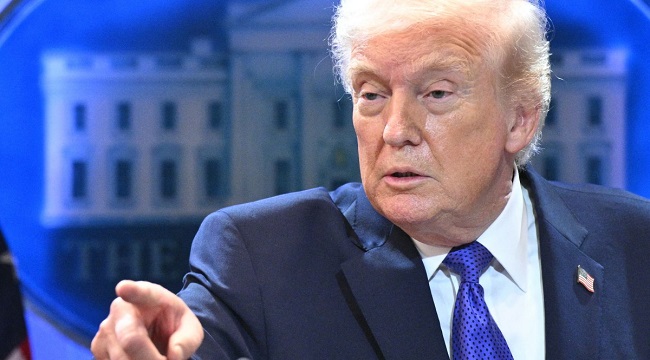
Trump's warning on social media was clear: "They better get serious soon, before it is too late, because once that happens, there is NO TURNING BACK, and it won't be pretty!" He also claimed that Iran had been "militarily obliterated, with zero chance of a comeback".
The conflict has spread to other parts of the region, with Iran launching retaliatory attacks on several parts of Israel and fresh violence flaring in the Gulf. Oil prices have jumped again, with equities mixed, as the situation remains volatile.
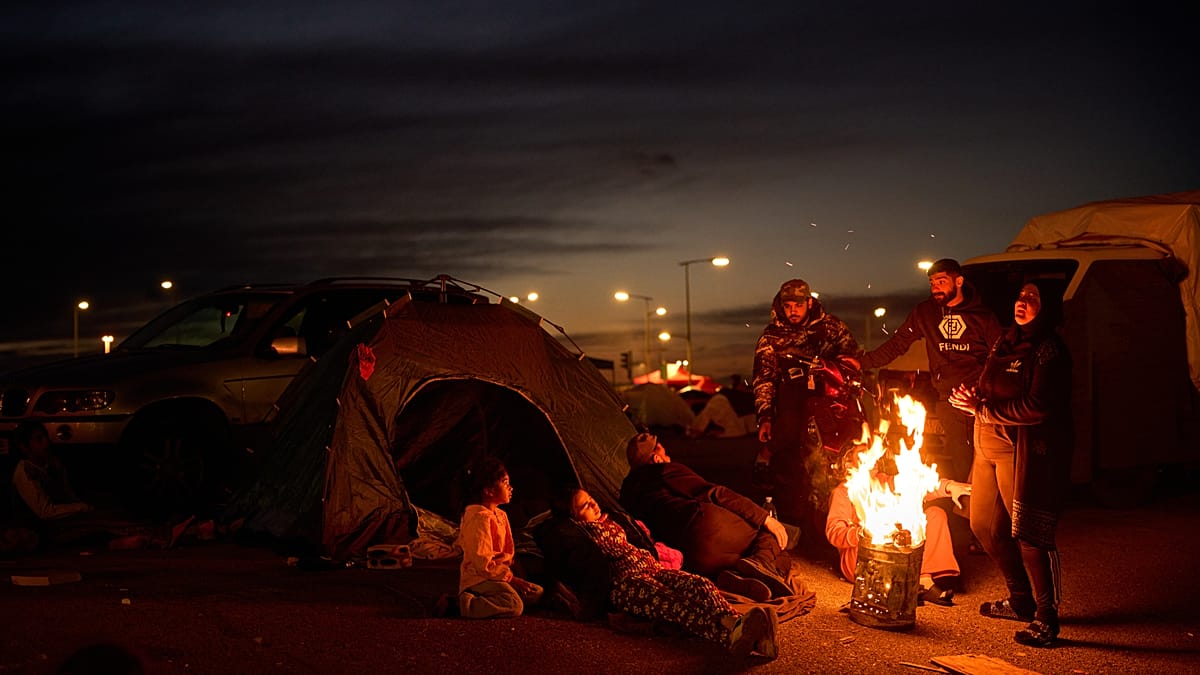
The Trump administration's push for talks with Iran is a welcome development, but it remains to be seen whether Tehran will take the negotiations seriously. The killing of Alireza Tangsiri is a significant blow to Iran's military capabilities, and it will be interesting to see how the country responds to the loss. Meanwhile, the people of Iran are suffering under the weight of war, poverty, and political oppression. The conflict has had a devastating impact on the region, and it is high time for all parties involved to work towards a peaceful resolution. The international community must also take note of the economic implications of this conflict, particularly the impact on oil prices and the global economy. It is imperative that all parties involved work towards a negotiated end to the conflict, rather than resorting to further violence.