Olympic Committee Reinstates Biological Criteria for Women's Sports
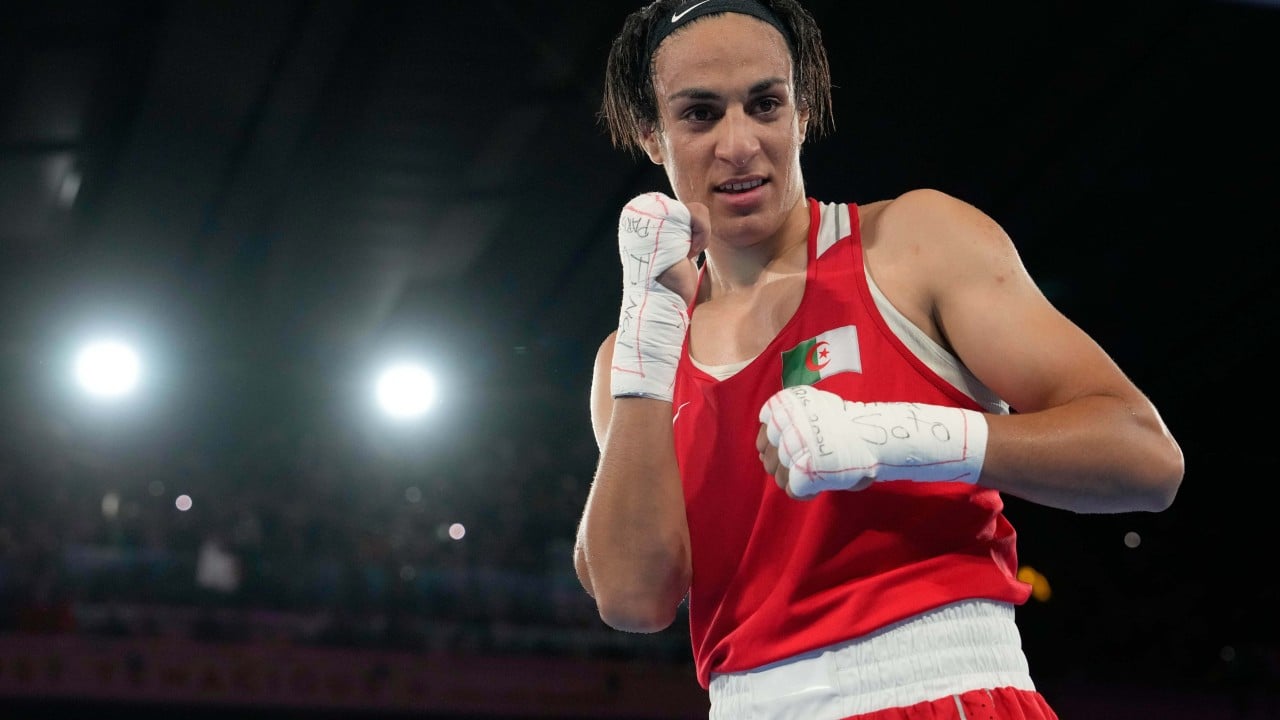
The International Olympic Committee has announced a major shift in its policy on women's sports, introducing a new screening process to determine eligibility for female athletes. This move effectively limits participation in Olympic women's sports to biological females, excluding transgender women and individuals with differences in sexual development. The decision comes after the IOC abandoned its 2021 policy, which allowed individual federations to set their own rules. Instead, a uniform policy will be applied across all sports, with athletes required to undergo a one-time screening for the SRY gene. The test will involve a saliva sample, cheek swab, or blood sample.
The new policy has significant implications for athletes, particularly those in the LGBTQ+ community. Experts have long debated the issue of transgender athletes in women's sports, with some arguing that it is unfair to allow individuals with male sex characteristics to compete against biological females. However, others have countered that such policies are discriminatory and undermine the principles of inclusivity and equality. The IOC's decision has sparked widespread debate, with many questioning the scientific basis for the new policy.
In Nigeria, there is no direct connection to this story, but the global implications of this policy are significant. The decision may set a precedent for other international sporting organizations and could have far-reaching consequences for athletes around the world.
The IOC plans to implement the new policy for the 2028 Los Angeles Games, with athletes required to undergo the SRY gene screening before competing in women's events.
The IOC's decision to limit women's sports to biological females raises serious questions about inclusivity and equality in sports. By reinstating a policy that discriminates against transgender women and individuals with differences in sexual development, the IOC is sending a message that their rights and dignity are not valued. This move sets a worrying precedent for the treatment of marginalized communities in sports and beyond. The global sporting community must now grapple with the consequences of this policy and work towards creating a more inclusive and equitable environment for all athletes.