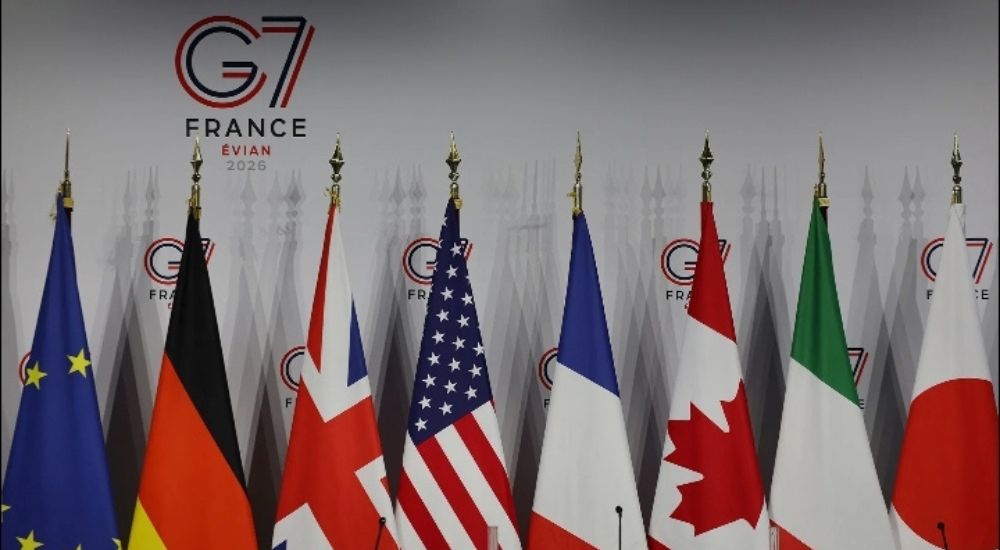
South Africa's President Cyril Ramaphosa has been dealt a diplomatic blow after being disinvited from the upcoming G7 summit in Evian. The move is reportedly a result of sustained pressure from the United States, with France allegedly withdrawing the invitation due to threats from Donald Trump's administration. This development is the latest in a series of tensions between Washington and Pretoria, which have been building in recent months. The US has been critical of South Africa's policies on trade and race, with Trump making claims about a "white genocide" that have been widely dismissed by experts.
The strained relations between the two countries have also been fueled by South Africa's case against Israel at the International Court of Justice over the war in Gaza, as well as broader geopolitical disagreements. The US has imposed tariffs of up to 30 percent on South African exports, although the policy was later overturned by the Supreme Court. Despite the diplomatic setback, South Africa remains committed to engaging constructively with the US, with the two countries' relationship predating the Trump administration and likely to outlast it.
The diplomatic fallout from this move is unlikely to have a significant impact on South Africa's relationship with France. However, the incident highlights the complex web of international relations and the influence of powerful nations on global diplomacy.
The drama unfolding between South Africa and the US is a stark reminder of the delicate balance of power in global politics. The US's heavy-handed approach to international relations, as seen in its dealings with South Africa, is a far cry from the diplomatic finesse often associated with Afrobeats diplomacy. Meanwhile, the South African government's commitment to engaging constructively with the US despite the tensions is a testament to the importance of maintaining diplomatic channels in the face of adversity.