The Federal Government has made a significant commitment to support HIV, tuberculosis, and malaria programmes by allocating 346 million dollars in co-financing for 2026. This funding, approved by President Bola Tinubu, will be incorporated into the 2026 national budget to bolster critical health interventions.
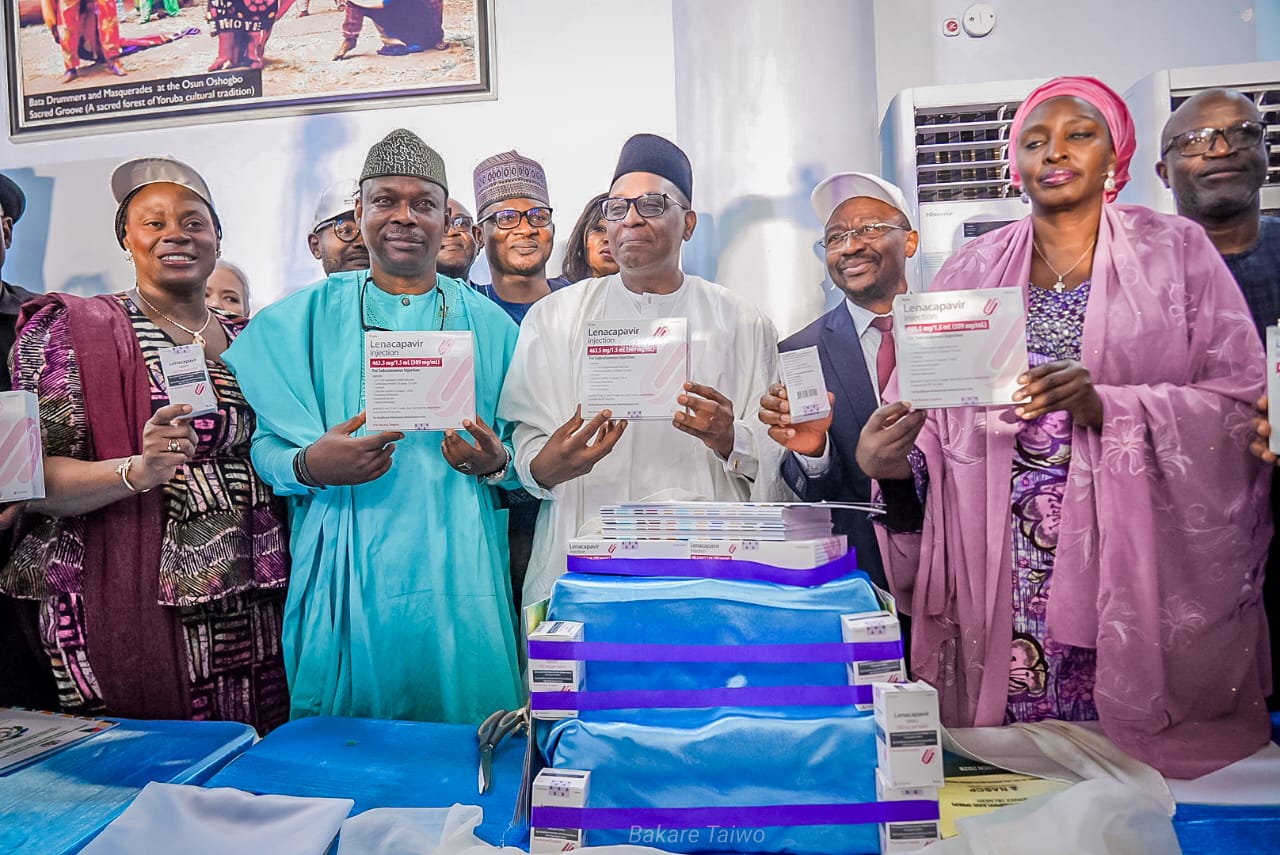
The Coordinating Minister of Health and Social Welfare, Prof. Muhammad Pate, unveiled the long-acting injectable for HIV prevention, Lenacapavir, at a national launch in Abuca on Tuesday. The launch was organised by the National AIDS, Viral Hepatitis and Sexually Transmitted Infections Control Programme (NASCP).
Pate explained that the funding will cover essential costs such as commodity costs, laboratory surveillance, reagents, primary healthcare expansion, and financial protection for Nigerians. He noted that this move reflects Nigeria's shift towards stronger domestic financing, driven by declining global health funding and changing international priorities.
The global health landscape is undergoing significant changes, with limited financing available globally and in many countries, including Nigeria. Experts say that the country must adapt to these changes and invest in innovation and efficiency to consolidate gains made in HIV, tuberculosis, and malaria control.
President Tinubu's decision to allocate 346 million dollars for health programmes is a step in the right direction, but it is essential to ensure that these funds are effectively utilised to address the country's pressing health challenges. The government's shift towards domestic financing is commendable, but it must also address the issue of external funding dependence. Nigeria's long-term goal of reducing dependence on external funding and increasing domestic ownership of health programmes is ambitious, but it is achievable with effective planning and implementation. The country's healthcare system needs to be more efficient, and the adoption of a sector-wide approach will be crucial in achieving this goal. By 2030, Nigeria should be able to finance its health programmes domestically, and it is essential that the government takes concrete steps towards achieving this goal.