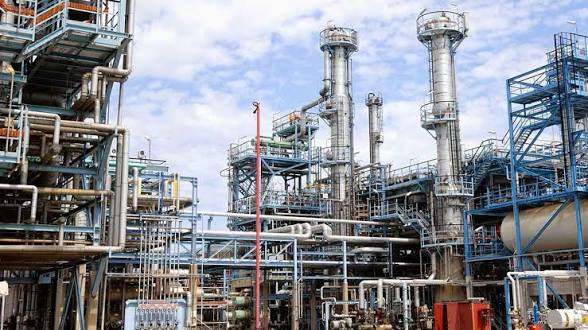
The world's most significant crude oil producers play a pivotal role in shaping global economies and geopolitics. Among these nations, the United States, Saudi Arabia, and Russia consistently occupy the top spots due to their vast oil reserves, technological advancements, and strategic economic planning.
The United States maintains its position as the world's largest crude oil producer, with output exceeding 21 million barrels per day in 2026. This is largely attributed to the country's shale oil basins, including the Permian in Texas and New Mexico, and the Bakken in North Dakota. Advanced drilling technologies have enabled American producers to extract oil efficiently, even in fluctuating market conditions.
Saudi Arabia, a key player in the Organization of the Petroleum Exporting Countries, retains its influence over global oil prices and supply decisions. With production levels around 12 million barrels per day, the kingdom continues to invest in field optimization projects and domestic economic diversification initiatives.
Russia consistently ranks among the top three global producers, with output near 11 million barrels per day in 2026. Despite facing international sanctions and logistical challenges, the country's extensive oil reserves sustain its high production levels.
In contrast, Nigeria, while not among the top ten producers globally, holds a prominent position as Africa's largest crude oil producer, with output ranging from 1.5 to 1.8 million barrels per day.
The United States' dominance in crude oil production is a testament to its strategic economic planning and technological innovation. Yet, the country's reliance on shale oil basins raises concerns about the long-term sustainability of its energy production. Meanwhile, Saudi Arabia's influence over global oil prices and supply decisions underscores the need for a more equitable and sustainable energy market. Nigeria's position as Africa's largest crude oil producer highlights the continent's potential for energy growth and development. However, the country's output remains relatively low compared to global leaders, emphasizing the need for investment in exploration and production to increase its share of the global market. The contrast between the top crude oil producers and Nigeria serves as a reminder of the disparities in energy production and consumption between developed and developing nations. As the world transitions towards a more sustainable energy future, it is essential to address these disparities and ensure that energy resources are harnessed equitably and sustainably.