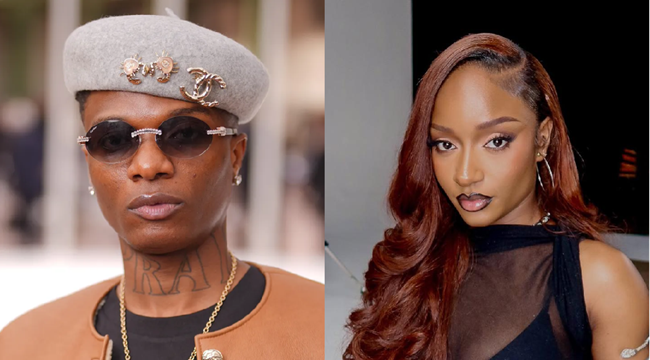
Nigerian music stars stole the show at the 30th-anniversary MOBO Awards, held on Tuesday at the Co-op Live Arena in Manchester. The ceremony marked a historic first for the city, as the awards moved north to celebrate three decades of Black music and culture in one of the UK's most iconic musical hubs. Ayra Starr emerged as the evening's most decorated African voice, clinching the Best International Act award for the second year running. This victory makes her the first African artiste in 16 years to secure back-to-back wins in this prestigious category, bringing her career MOBO tally to three.
Ayra Starr's "Sabi Girl" triumphed over a formidable global shortlist that included heavyweight contenders such as Cardi B, Tyla, Gunna, and Vybz Kartel. Notably, she stood as the sole Nigerian representative in the international bracket. Meanwhile, Wizkid reclaimed his mantle in the Best African Music Act category, solidifying his status as a foundational pillar of the global Afrobeats movement.
The Nigerian influence extended into the technical and digital spheres. Popular creator Niko Omilana was named Best Media Personality, a testament to the blurring lines between traditional entertainment and digital influence. Prolific producer P2J took home Best Producer, recognised for his sophisticated sonic contributions across the R&B, Pop, and Afrobeats genres.
The dominance of Nigerian talents at the MOBO Awards is a testament to the country's growing influence in the global music industry. Wizkid's record-breaking win and Ayra Starr's back-to-back victories in the Best International Act category are a clear indication of Nigeria's musical prowess. The country's Afrobeats genre has been gaining global recognition, and these wins will only further solidify its position. However, the question remains whether the Nigerian music industry will continue to benefit from this international recognition, or if it will remain a one-way street where Nigerian artists are celebrated abroad but struggle to make an impact at home. The MOBO Awards serve as a reminder that the music industry is a complex web of power dynamics, and Nigerian artists must continue to push for recognition and fair compensation for their work.