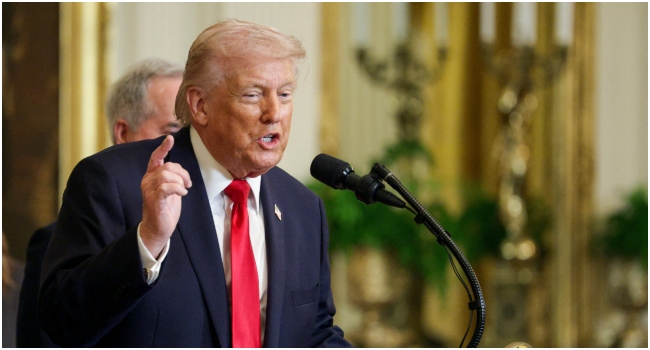
A major escalation in the longstanding tensions between the US and Iran has been averted, at least for now, as President Trump has extended the deadline for Iran to open the Strait of Hormuz to oil tanker traffic. The original deadline, set for this Friday, has been pushed back to April 6, giving Iran more time to comply with US demands.
The Strait of Hormuz is a critical waterway that connects the Persian Gulf to the Gulf of Oman, and its closure would have severe implications for global oil supplies. The US has long been concerned about Iran's influence in the region, particularly its support for militant groups in Yemen and its development of ballistic missiles. In recent weeks, the situation has escalated, with the US and Iran engaging in a war of words over the strait's status.
The decision to extend the deadline has been met with a mixed reaction from the international community, with some hailing it as a step towards de-escalation and others viewing it as a sign of weakness. The US has made it clear that it will not hesitate to take military action if Iran fails to comply with its demands.
The Strait of Hormuz is a vital shipping lane for Nigeria, which relies heavily on imported oil to meet its domestic energy needs. Nigeria's economy is heavily dependent on oil exports, and any disruption to global oil supplies could have significant implications for the country's economy.
The world will be watching closely as the deadline approaches, and the international community will be waiting with bated breath to see whether Iran will comply with US demands or take a more confrontational stance.
The extension of the deadline is a temporary reprieve, but it does little to address the underlying tensions between the US and Iran. The US must now decide whether to take a more aggressive stance or engage in diplomatic efforts to resolve the crisis. The global implications of a conflict in the region are too great to ignore, and the international community must work together to prevent a catastrophic war.