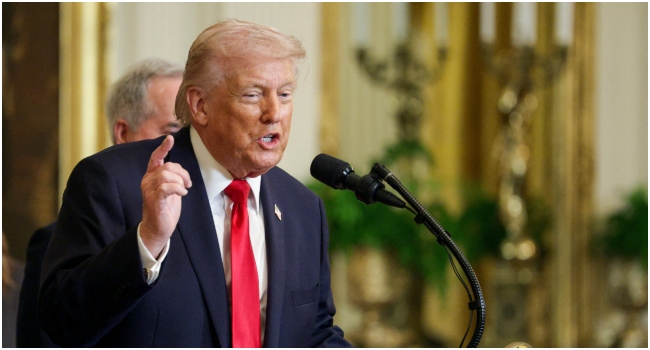
The United States has extended a deadline for striking Iran's energy sites, giving the country an additional 10 days to comply with demands. The original deadline, set by former President Donald Trump, was initially 48 hours before being extended twice. The current deadline now stands at April 6, 2026, at 8 P.M. Eastern Time.
The Strait of Hormuz, a critical waterway, is at the center of the conflict. Approximately one-fifth of global crude oil and liquefied natural gas passes through this strait during peacetime. Trump had earlier denied that he was desperate for a deal to end the war, despite Iran's cool response to an American peace plan.
Iran has allowed 10 oil tankers passage through the Strait of Hormuz, a move seen as a gesture of goodwill towards the United States. However, the Iranian government has made it clear that it will not be intimidated by the threat of military action. The country's response to the 15-point "action list" passed through Pakistani officials remains pending.
The conflict has caused a significant energy crunch, with oil prices soaring and financial markets being roiled. Several countries, including Japan and Vietnam, have taken steps to mitigate the effects of the crisis. The World Bank has also offered its support, stating that it is "ready to respond at scale."
The latest extension of the deadline for striking Iran's energy sites raises more questions than answers. Donald Trump's decision to give Iran an additional 10 days to comply with demands suggests that the United States is willing to engage in further negotiations. However, the fact that Iran has allowed 10 oil tankers passage through the Strait of Hormuz is seen as a positive development. The conflict has significant implications for everyday Nigerians, who are already grappling with the effects of the energy crunch. The soaring oil prices and financial market volatility will undoubtedly have a ripple effect on the Nigerian economy. The decision by countries like Japan and Vietnam to temporarily lift restrictions on coal-fired power plants and waive environmental taxes on fuel is a clear indication of the severity of the crisis. The World Bank's offer to respond at scale is a welcome development, but it remains to be seen how effective their support will be in mitigating the effects of the crisis. As the situation continues to unfold, it is clear that the United States and Iran must engage in meaningful negotiations to find a lasting solution to the conflict.