Nigerian farmers are set to benefit from improved access to critical inputs and services, thanks to a collaborative effort between the Sasakawa Africa Association and its partners. The initiative, which is part of a maize and soybean farming system project funded by the Alliance for a Green Revolution in Africa, aims to strengthen linkages among farmers, input market actors, and financial institutions. The project, which targets 100,000 farmers in Niger and Kaduna states, will provide farmers with timely access to quality inputs and services.
The project's coordinator, Mr Isaac Eni, noted that the initiative promotes transparency in pricing, strengthens business relationships, and encourages farmers to view agriculture as a viable business. Eni added that the project covers eight Local Government Areas in Niger, where extension agents and Community-Based Advisors have been trained to support farmers with access to quality inputs, improved agronomic practices, and market linkages.
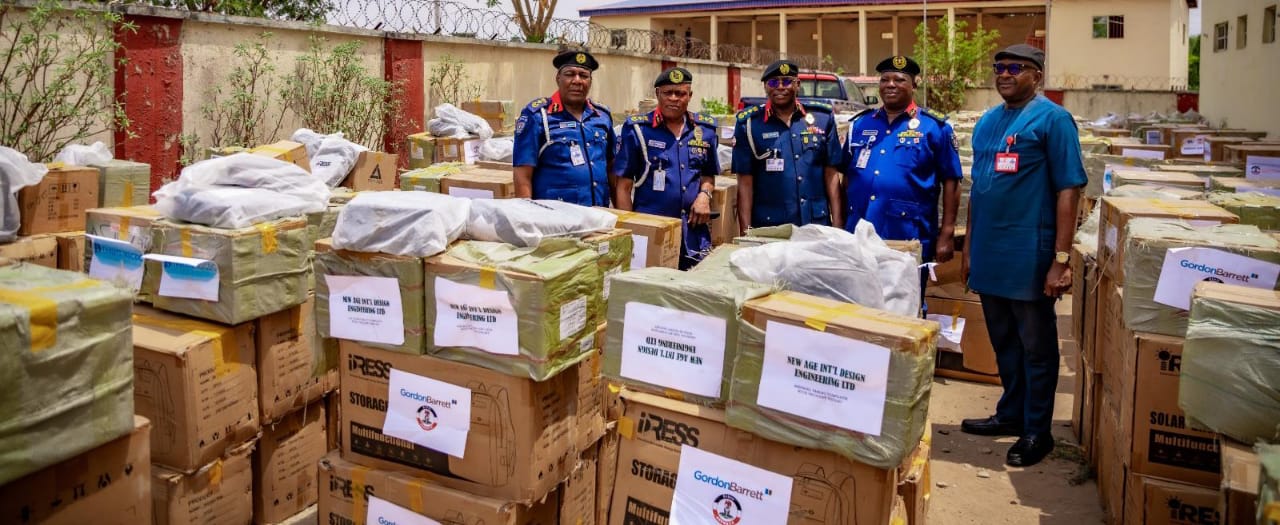
The prevalence of fake and adulterated agrochemicals in the state has been a major concern, with the Niger Ministry of Agriculture establishing a task force to monitor and regulate the activities of agrochemical dealers. The ministry has seized and destroyed counterfeit agrochemicals worth about N100 million and prosecuted offenders.
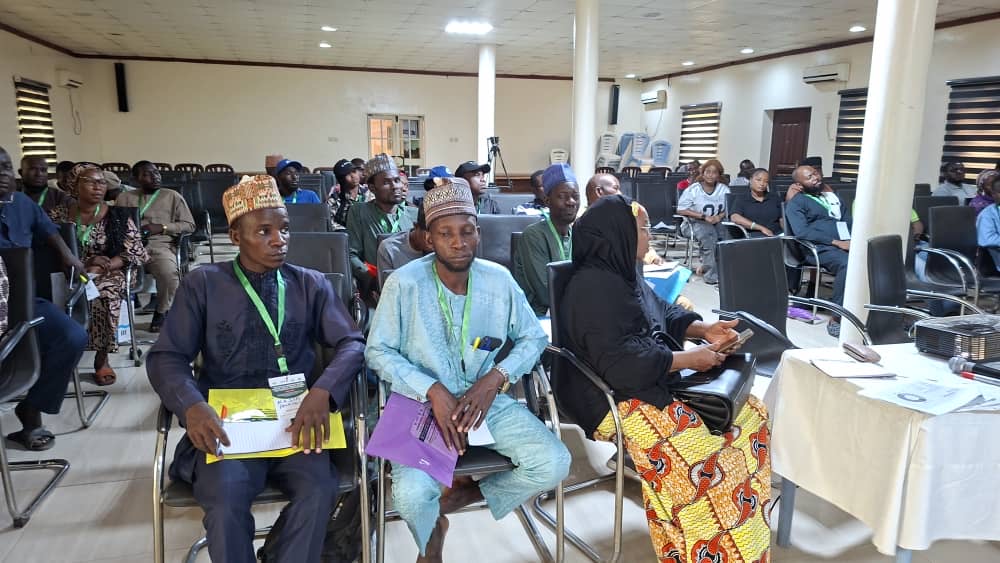
The initiative has received positive feedback from farmers, who have commended the engagement for improving their knowledge of accessing genuine farm inputs. With the rainy season approaching, the project is expected to have a significant impact on the lives of the targeted farmers.
The Sasakawa Africa Association's initiative to improve farmers' access to inputs and services is a welcome development for the agricultural sector in Nigeria. By strengthening linkages among farmers, input market actors, and financial institutions, the project has the potential to increase agricultural productivity and competitiveness. The project's focus on promoting transparency in pricing and strengthening business relationships is particularly noteworthy, as it addresses the long-standing issue of fake and adulterated agrochemicals in the state.