Prolonged Strait of Hormuz closure would cause oil prices to surge, experts warn
**Strait of Hormuz Closure Sparks Global Oil Price Surge**
The Strait of Hormuz, a critical waterway in the Persian Gulf, has effectively been closed due to the ongoing Iran war. This has halted the passage of oil tankers and commercial ships, raising concerns among economists about the potential impact on global oil supplies. As a result, crude oil prices have surged above $100 per barrel for the first time since 2022, up from below $70 per barrel in the days leading up to the start of military operations on February 28.
Energy analysts at Eurasia Group, a political risk consulting firm, have warned that the crisis is unlikely to be resolved soon. In a report earlier this month, they stated, "The combination of an escalating conflict (including Israeli attacks on Iranian fuel depots), the ongoing disruption of Hormuz and announcements of producer shut-ins indicates the crisis is unlikely to be resolved any time soon." This assessment is based on the ongoing disruption of oil shipments through the strait, which normally accounts for about 20% of global oil supplies, or roughly 15 million barrels of crude per day.
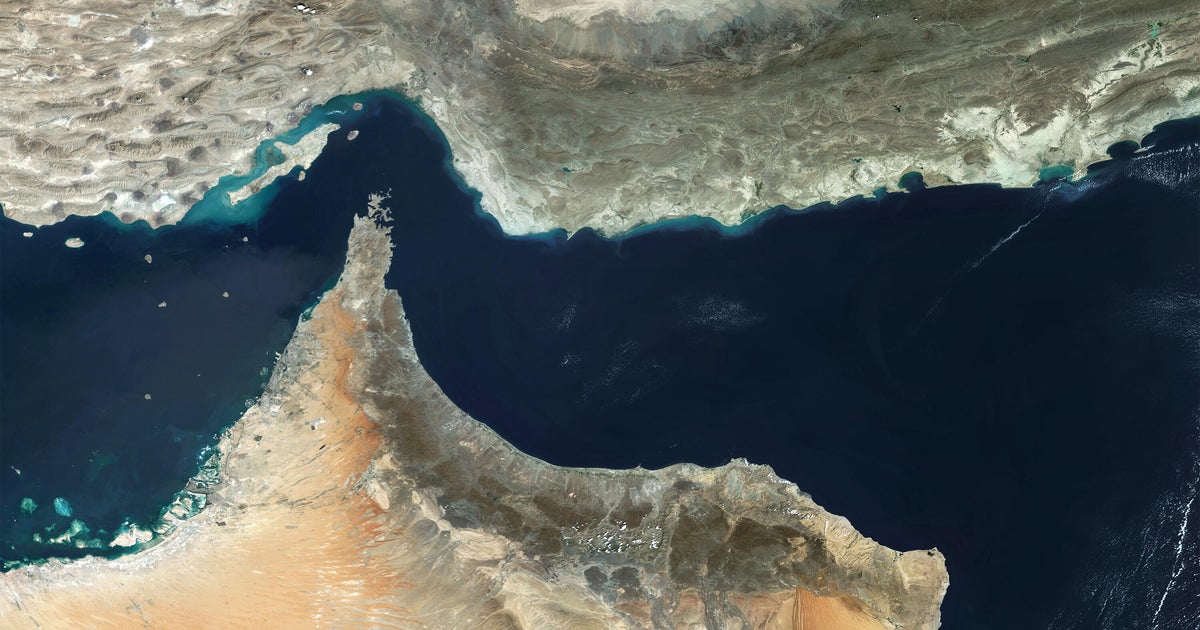
The Strait of Hormuz is a strategic sea passage connecting the Persian Gulf to the Gulf of Oman and the Arabian Sea. It is approximately 100 miles long and 21 miles wide at its narrowest point, allowing the world's largest vessels to transport oil and gas from the Middle East to China, Europe, and the U.S. Most of the crude oil passing through the strait comes from Saudi Arabia, the United Arab Emirates, Iraq, Kuwait, Qatar, and Iran.
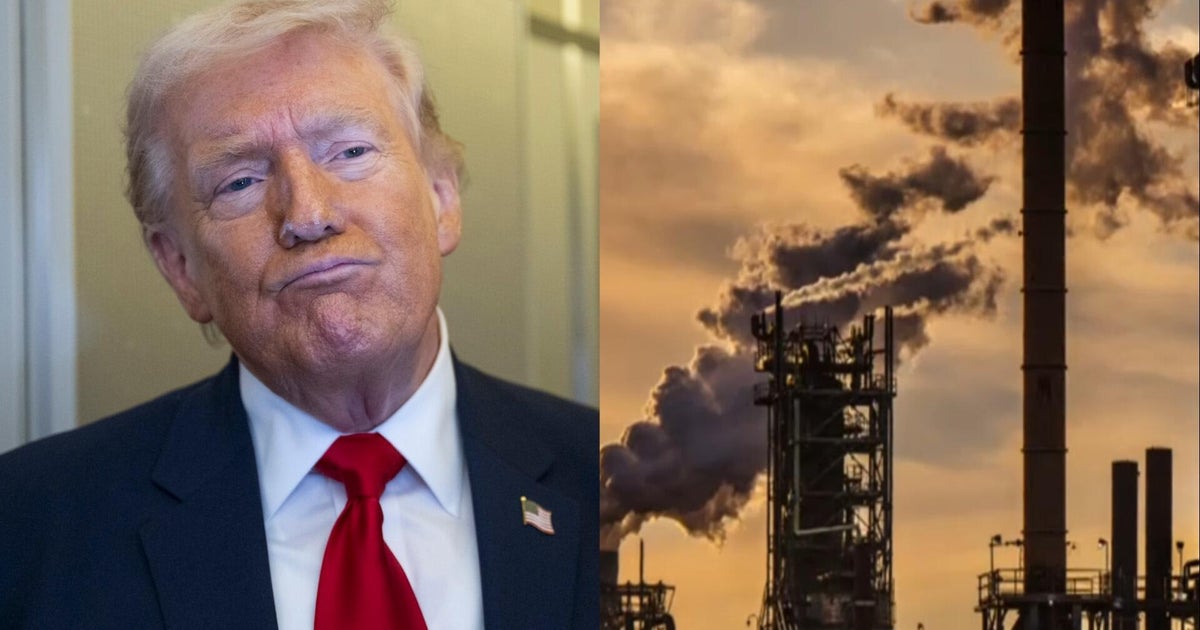
The current situation in the Strait of Hormuz has been described as a "choke-point" for crude oil, with experts warning that a prolonged disruption could sharply boost energy costs, including U.S. gas prices. Arne Lohmann Rasmussen, chief analyst at Global Risk Management, a provider of energy market insights, told CBS News, "It is de facto closed in that no one dares to go through. You can be attacked, and you can't get insurance or it is extremely expensive, so you have to wait until the security situation is better." He added, "If oil and gas coming from the strait is cut off, that has significant ramifications for the market. While there is no physical blockade, threats from the Iranians, plus drone and missile attacks, mean tankers are not going through the strait."
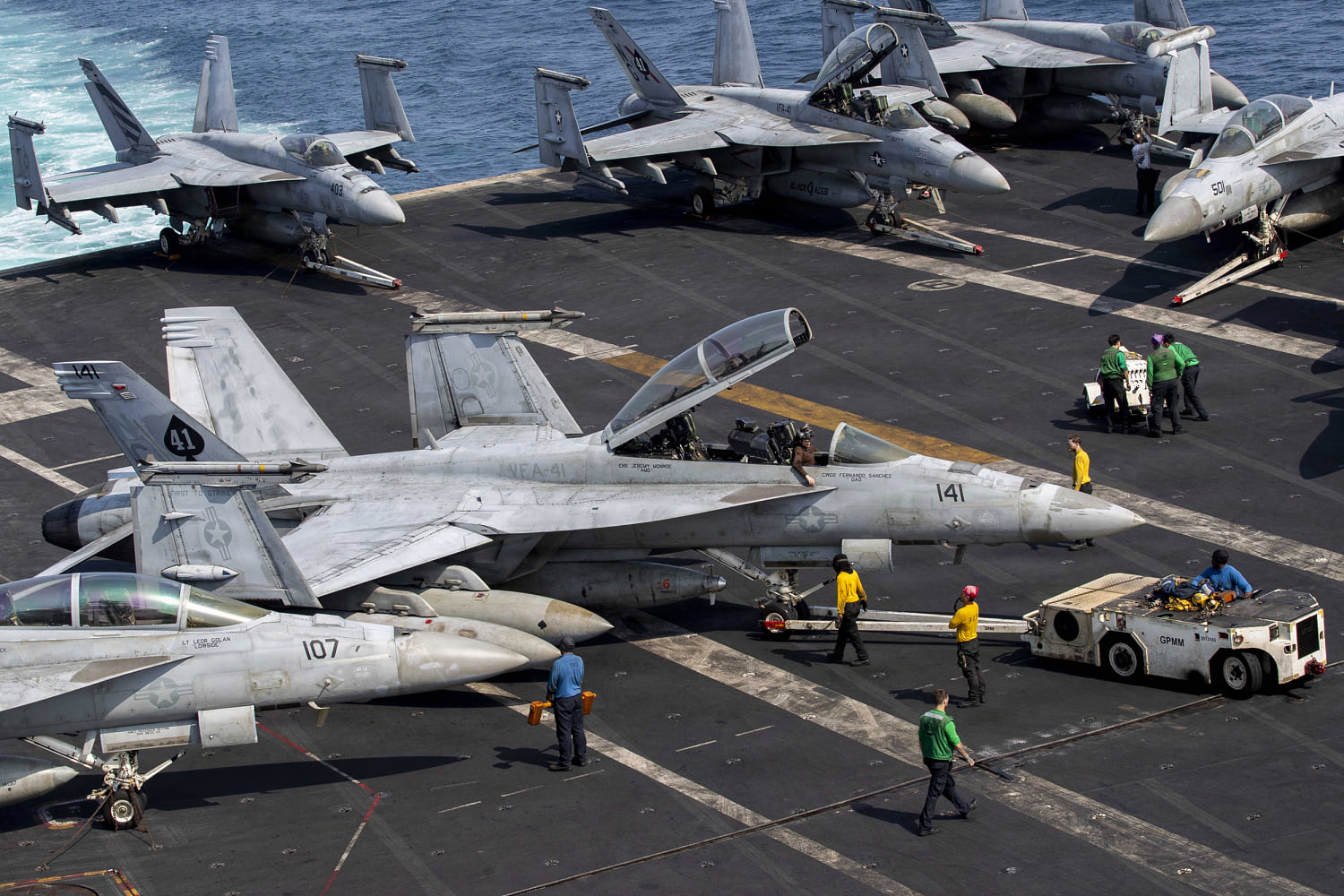
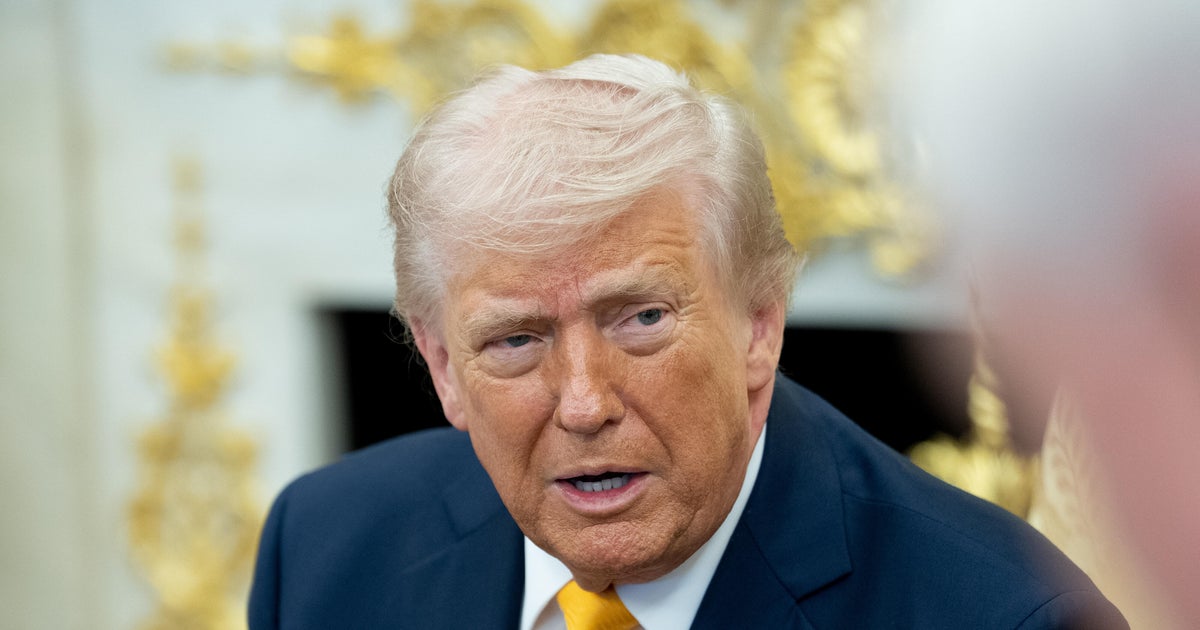
President Trump has called on other nations to help escort ships through the strait, criticizing NATO member countries as "cowards" for not sending troops to help open the conduit. In a social media post on March 21, he wrote, "They didn't want to join the fight to stop a Nuclear Powered Iran. Now that fight is Military." The situation in the Strait of Hormuz remains uncertain, with experts warning that a prolonged closure could have significant consequences for global oil markets.
Source: Original Article • AI-enhanced version
Related Stories