Are the Trump administration's efforts to lower oil and gas prices working?
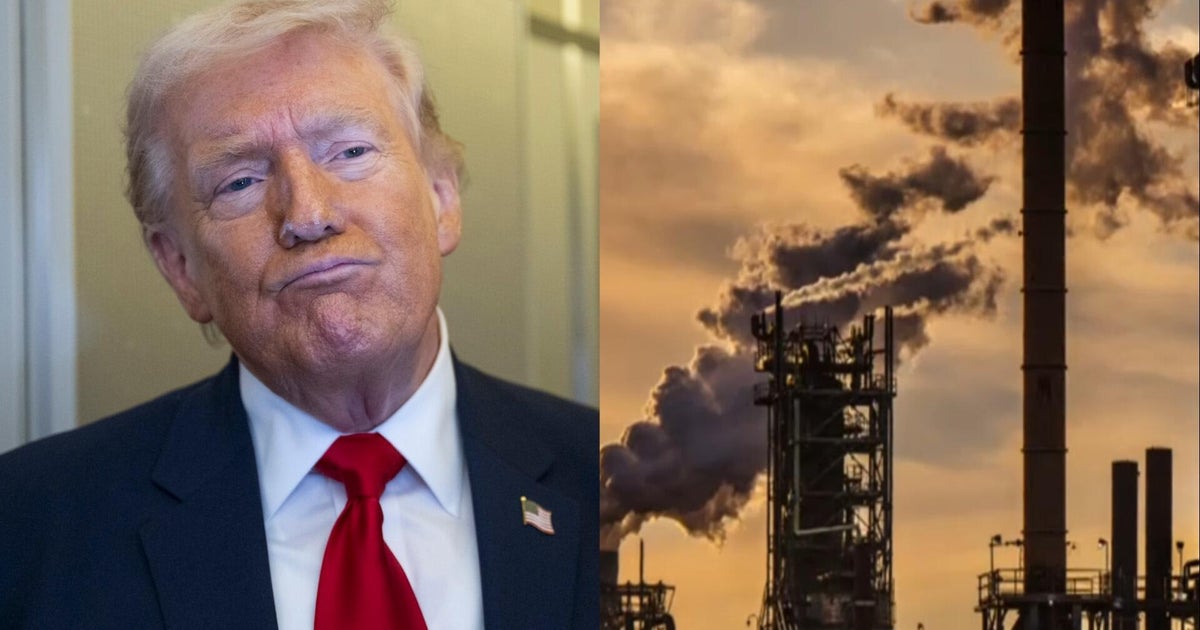
**US Gas Prices Near $4 a Gallon Amid Iran War, Raising Questions on Trump Administration's Efforts**
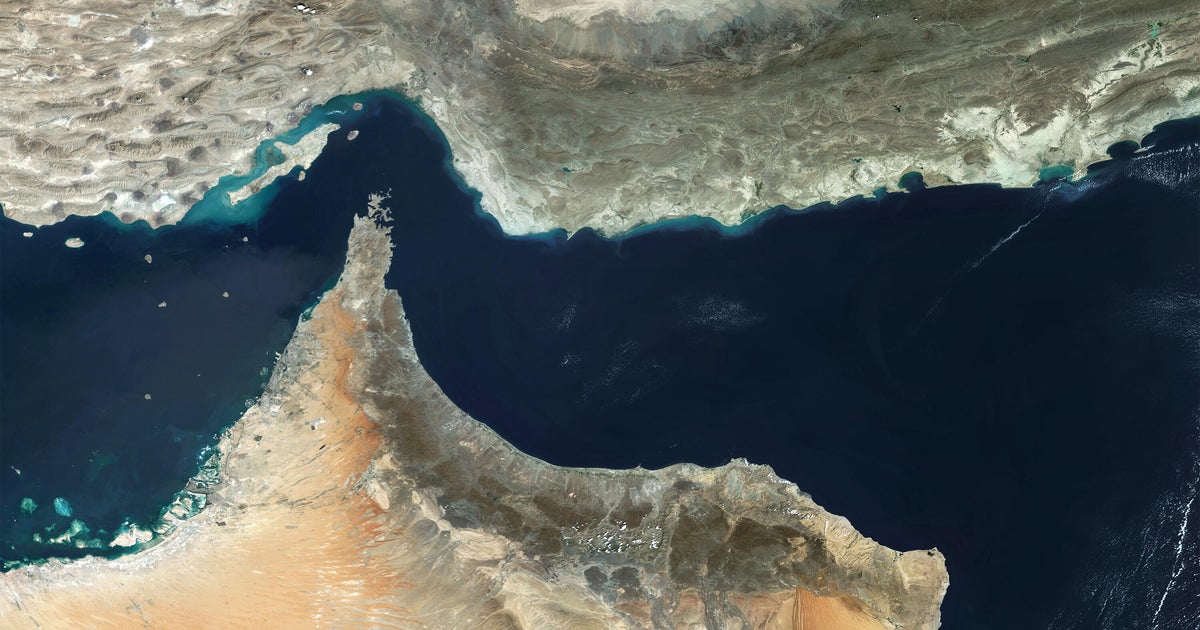
The average price of gasoline in the US on Friday neared $4 a gallon, prompting concerns about the effectiveness of the Trump administration's measures to lower oil and gas prices amid the escalating Iran war. The situation is further complicated by the fact that the Strait of Hormuz, a vital Persian Gulf waterway handling 20% of the world's oil and natural gas supplies, remains virtually closed due to regional violence.
**Strait of Hormuz Closure a Major Concern**
According to experts, reopening the Strait of Hormuz would be the most effective measure to bring down oil prices. The strait's closure has halted shipping traffic, affecting the global supply of oil and natural gas. Brent crude, the international benchmark, has surged by 48% since the start of the war, reaching around $108 a barrel.
**Administration's Strategies to Counter Rising Oil Prices**
The Trump administration is exploring alternative options to mitigate the impact of the Iran war on oil prices. These include tapping the Strategic Petroleum Reserve, easing government regulations that boost the cost of petroleum products, and providing political risk insurance from the US Development Finance Corporation to cargo ships in the Gulf.
**Experts Weigh In on Administration's Measures**
Willy Shih, a professor of management at Harvard Business School and energy market expert, questioned the effectiveness of the administration's measures, stating that they are "measures to, 'How do I counteract having taken 20% of the world's supply off the market?'". White House spokeswoman Taylor Rogers acknowledged that the administration has considered various options to address rising oil prices, including releasing emergency oil reserves and temporarily freeing up sanctioned oil.
**Tapping the Strategic Petroleum Reserve**
President Trump ordered the release of 172 million barrels of oil from the US Strategic Petroleum Reserve (SPR) on March 11, when Brent crude had reached $92 a barrel. The oil release began this week and will roll out over 120 days. The SPR was created in the 1970s to provide an economic cushion against energy disruptions. However, experts, such as Clayton Allen of Eurasia Group, have questioned the size of the release, stating that it is far too small to counter the Iran war's impact on energy supplies.
**International Energy Agency Estimates**
The International Energy Agency estimates that Gulf countries will need to produce an additional 2.5 million barrels of oil per day to meet global demand. The agency's estimates suggest that the Strait of Hormuz's closure has significantly impacted the global oil supply.
Source: Original Article • AI-enhanced version
Related Stories