Iran War Live Updates: Trump Uninterested in Cease-Fire Because U.S. Is ‘Obliterating the Other Side’

**Global Tensions Escalate as Conflict with Iran Continues**
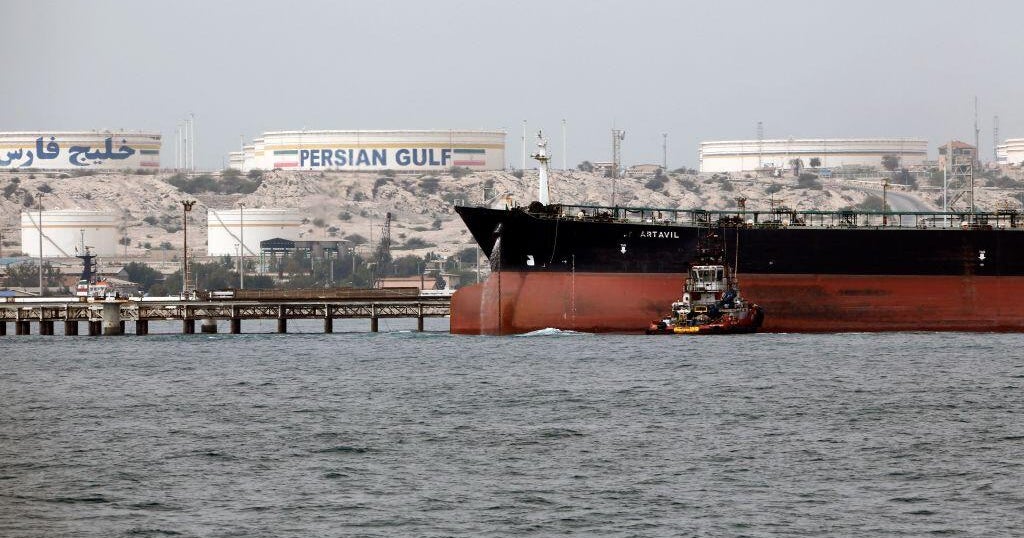
The ongoing conflict between the United States and Iran has resulted in significant damage to energy infrastructure, with at least 37 oil refineries, natural gas fields, and other energy sites in nine countries affected since the US and Israel launched their bombardment of Iran. The high price of oil has persisted, with global markets experiencing volatility in response to the escalating tensions.
According to reports, the US-led coalition has targeted key energy installations, including oil refineries and natural gas facilities, in countries such as Iraq, Syria, and Lebanon. The damage has been extensive, with estimates suggesting that the affected sites have a combined production capacity of over 1.5 million barrels of oil per day. The impact on global energy markets has been significant, with oil prices remaining high due to concerns over supply disruptions and potential long-term damage to the affected infrastructure.
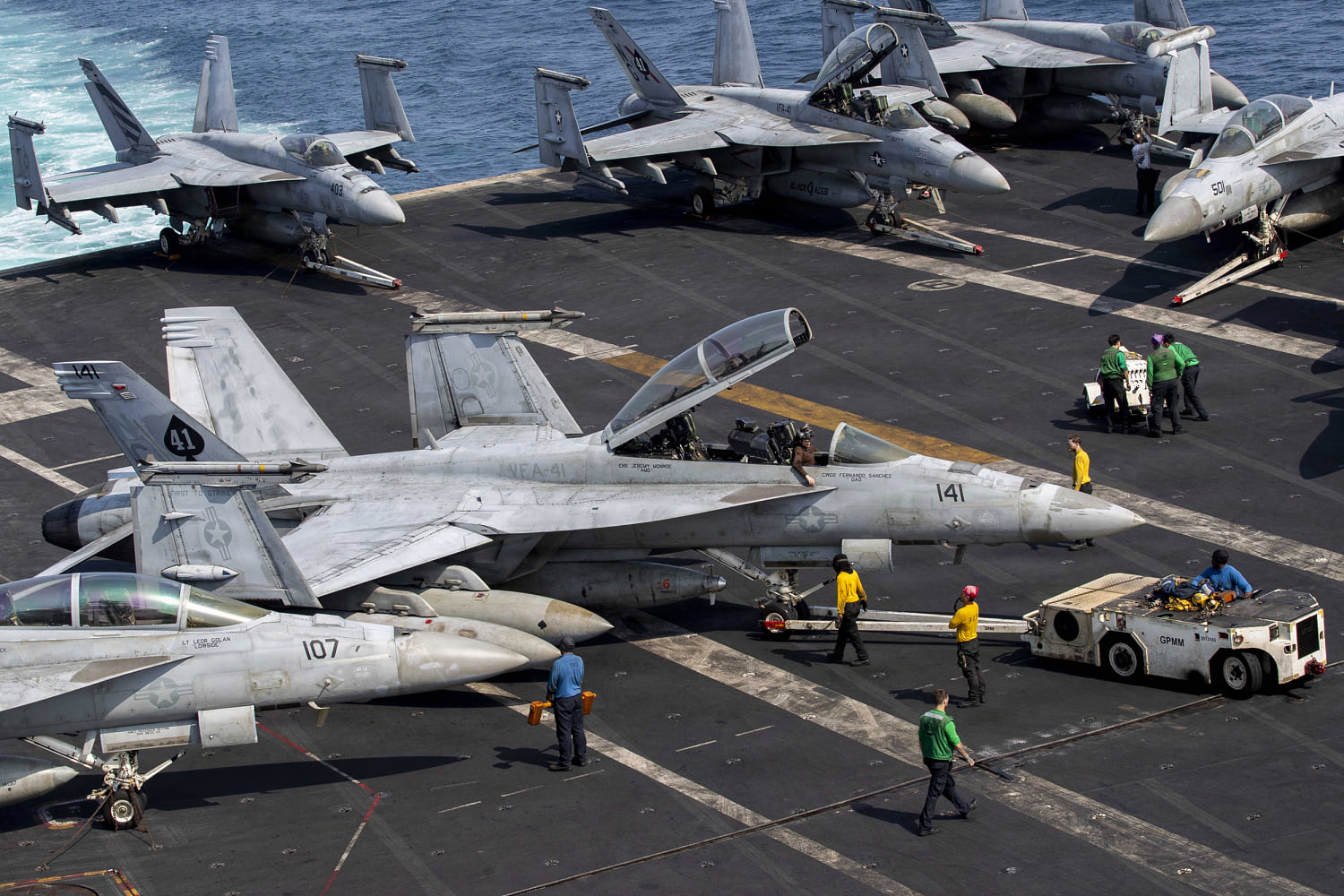
In a recent statement, US President Donald Trump expressed his lack of interest in pursuing a cease-fire, citing the perceived effectiveness of the US military campaign. "We're obliterating the other side," Trump said in a *press briefing*, emphasizing the US's goal of weakening Iran's military capabilities. The President's comments have been met with skepticism by some analysts, who argue that the prolonged conflict could have unintended consequences, including increased regional instability and potential humanitarian crises.
The international community has been monitoring the situation closely, with various countries issuing statements condemning the violence and calling for a peaceful resolution. The *United Nations* has urged restraint and encouraged all parties to engage in diplomatic efforts to resolve the conflict. However, the prospects for a swift resolution appear uncertain, with both sides maintaining their positions and continuing to exchange blows.
As the conflict drags on, concerns are growing over the potential long-term consequences for regional stability and global energy markets. The damage to energy infrastructure has already had a significant impact on oil prices, and the potential for further disruptions could have far-reaching effects on the global economy. With no clear end in sight, the situation remains fluid, and the international community will continue to watch closely as events unfold.
Source: Original Article • AI-enhanced version
Related Stories