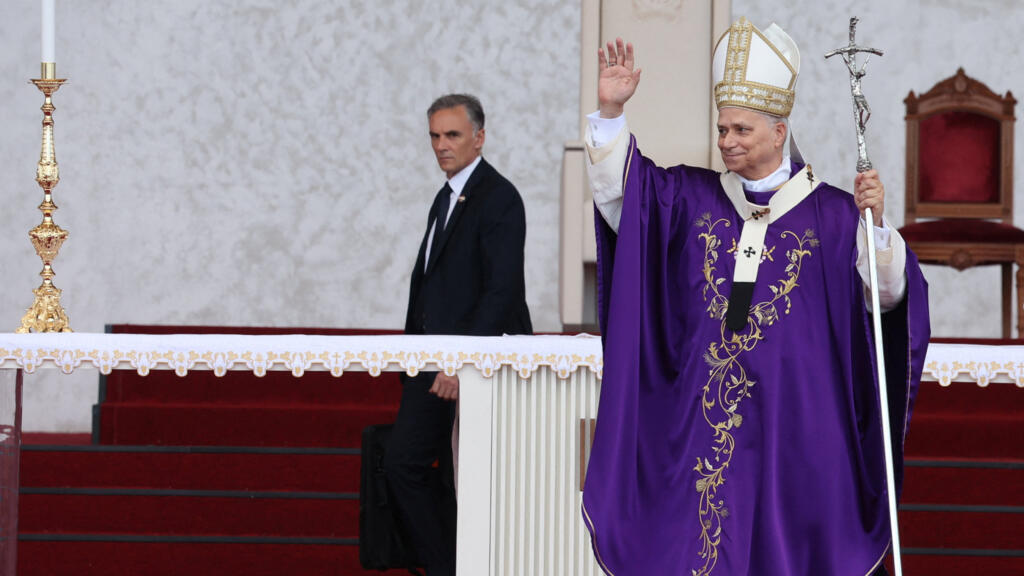
The upcoming visit of Pope Leo XIV to Equatorial Guinea has sparked controversy as the government allegedly deducts wages from civil servants and members of the armed forces to help fund the trip. As part of the Pope's Africa tour, he will visit several countries, including Equatorial Guinea, a small Central African nation with a majority Christian population. The government has been preparing for the visit by undertaking street cleaning and public works, and has reportedly asked the public to contribute to the costs. Civil servants and members of the armed forces have reported having sums deducted from their wages, ranging from 20,000 to 55,000 CFA francs, which they claim is to fund the Pope's visit.
The deductions have been met with criticism from some members of the public, who feel that they should not be forced to contribute to the costs of the visit. Students at the National University of Equatorial Guinea have also been urged to purchase outfits bearing the Pope's image, at a cost of 10,000 CFA francs, which some have described as "deplorable". The university's management has made it compulsory for students and staff to wear these outfits during the Pope's visit. The Pope's visit is scheduled to take place from 21 to 23 April, and will include meetings with representatives from the cultural sector, staff at a psychiatric hospital, and prison inmates.
The visit has highlighted the widespread poverty in Equatorial Guinea, despite the country having one of the highest per capita incomes in Africa due to oil revenues. More than half the population lives on less than $8.30 per day, and over 8 percent are unemployed. The government's decision to invite the Pope and ask the public to contribute to the costs has been met with criticism, with some arguing that it is wrong to force people to bear the burden of the visit.
The Pope's visit is expected to proceed as planned, with the government undertaking various preparations to ensure a successful trip. The visit will include various events and meetings, and will conclude with a tribute to the victims of the 2021 military barracks explosions in Bata.
The decision by the Equatorial Guinea government to dock wages and ask the public to contribute to the costs of the Pope's visit is a clear example of the country's misplaced priorities. The fact that over half the population lives in poverty and many are unemployed makes it even more egregious that the government is prioritizing the visit of a religious leader over the needs of its citizens. The international community should take note of the widespread poverty and inequality in Equatorial Guinea, despite its significant oil revenues. The Pope's visit should be an opportunity for the government to reflect on its priorities and take concrete steps to address the needs of its people.