Tensions Escalate in Middle East as Israel and Iran Engage in Firefight
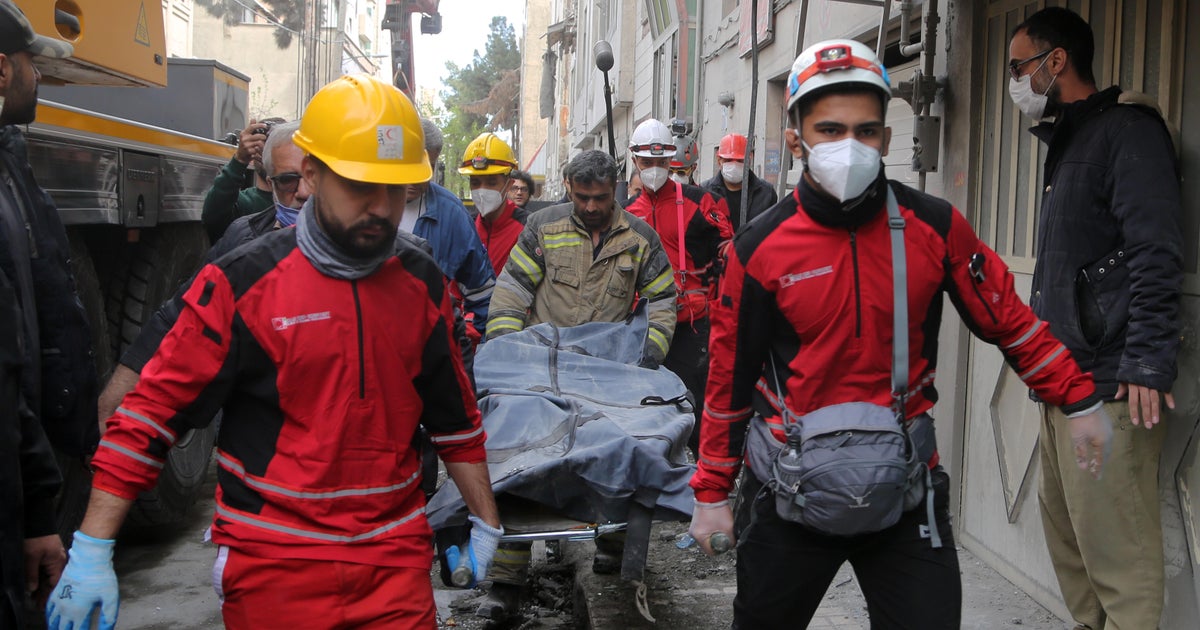
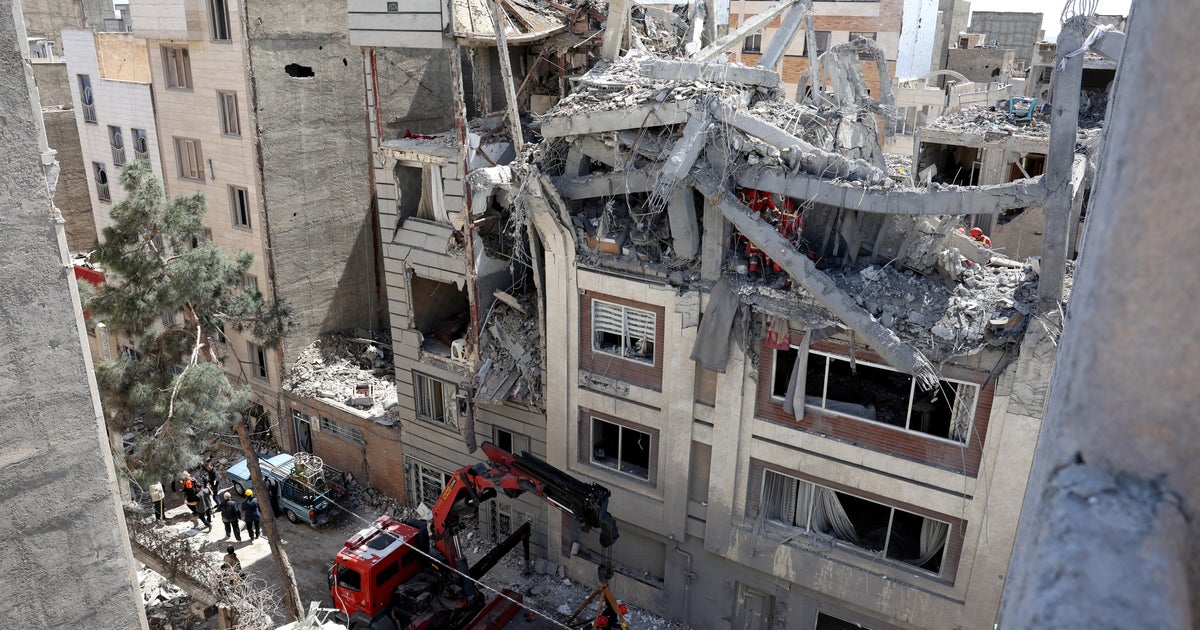
The situation in the Middle East has taken a dramatic turn as Israel and Iran exchanged fire, sparking fears of a wider conflict in the region. The escalation comes as diplomats from the Group of 7 nations were holding talks to address the security concerns of the Strait of Hormuz, a critical shipping lane.
According to reports, the exchange of fire occurred despite efforts by the international community to broker a peaceful resolution to the crisis. The incident has raised concerns about the potential for a broader conflict, with experts warning of the devastating consequences for global oil markets.
The Strait of Hormuz is a vital waterway that connects the Persian Gulf to the Gulf of Oman, and any disruption to its operations would have significant implications for oil prices and global trade. The region has been plagued by tensions in recent months, with the US, Iran, and Israel engaging in a series of high-stakes diplomatic and military maneuvers.
As the situation continues to unfold, international leaders are scrambling to find a solution to the crisis. The deadline for Iran to fully reopen the Strait of Hormuz has been extended, but the prospects for a peaceful resolution remain uncertain.
The ongoing tensions in the Middle East are a stark reminder of the region's volatility and the far-reaching consequences of conflict for global markets. The exchange of fire between Israel and Iran is a worrying development, and the international community must work together to prevent a wider conflict. The crisis has significant implications for oil prices and global trade, and it is imperative that diplomats find a peaceful resolution to the crisis.