US Airstrikes in Iran Face Uncertain Future
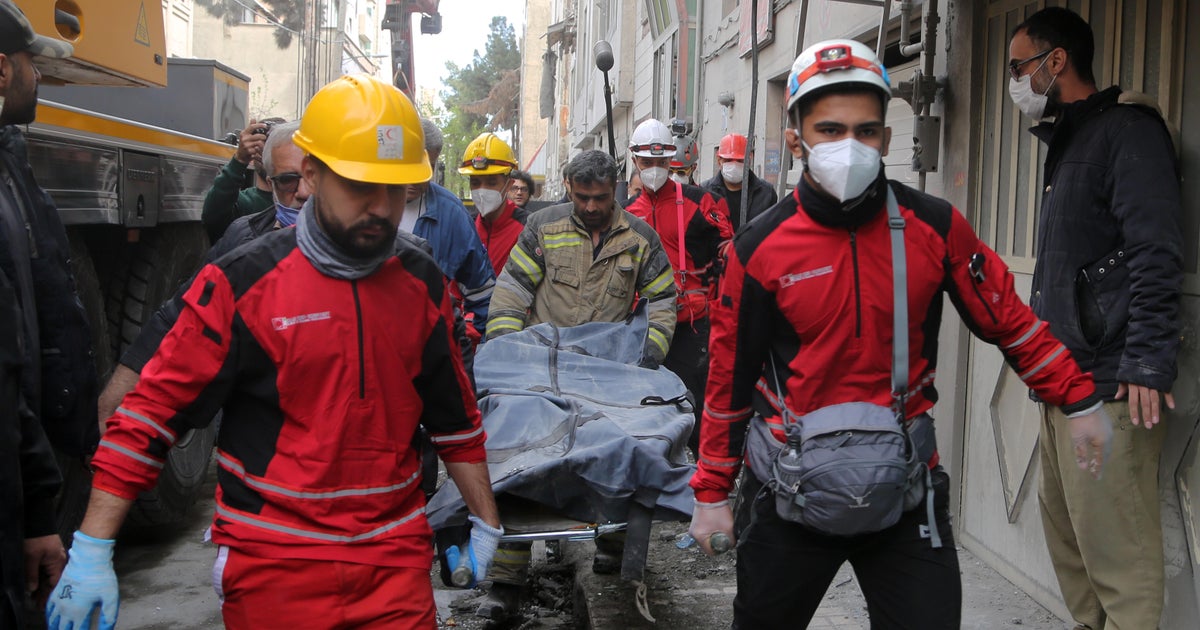
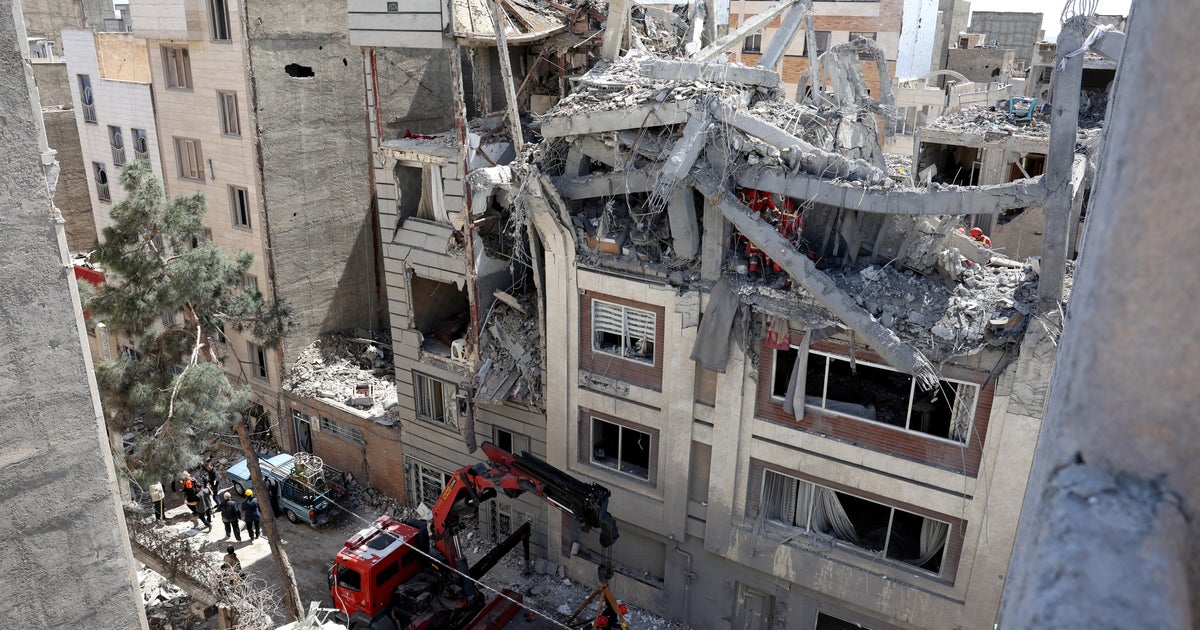
The US and Israeli war goals in Iran are facing a daunting reality check, with experts warning that regime change through airstrikes is no longer a viable option. According to former Israeli Minister of Health Nitzan Horowitz, the initial objectives of dismantling Iran's military capabilities and effecting regime change have proven unattainable. As the conflict drags on, public support in Israel is dwindling due to the economic and security implications of the prolonged war.
The Iranian regime's resilience has left many questioning the foundational assumptions behind the war. The prolonged insecurity and economic paralysis have taken a toll on Israeli society, with many citizens growing increasingly disillusioned with the war's outcome. The widening gap between expectation and reality has raised concerns about the war's sustainability.
Israel's military strategy has been put to the test, with the Iranian regime proving more resilient than anticipated. The erosion of public support in Israel is a significant development, as it underscores the challenges of achieving regime change through military means. The future of the war effort hangs in the balance, with many experts questioning the feasibility of the current strategy.
The prospects of regime change in Iran through airstrikes are increasingly uncertain, and it is time for the US and Israeli governments to reassess their strategy. The erosion of public support in Israel is a telling sign that the war's objectives are no longer aligned with the country's interests. The international community must now consider the implications of a prolonged conflict and the potential consequences for regional stability.