US President Donald Trump's stance on Iran has left many questioning whose war it truly is. Trump's administration has been in talks with Iran, deciding against a military strike on critical infrastructure, a move that contrasts with Israel's apparent readiness for a prolonged conflict. Israel's preparations for a potential ground operation in Lebanon have sparked concerns about the country's intentions.
The Israeli government, led by Prime Minister Benjamin Netanyahu, has been a strong advocate for a military campaign against Iran. Netanyahu's leadership style has been compared to Trump's, with both leaders known for their populist and decisive approaches. However, their interests and strategies differ, with Israel focusing on its own security concerns and Trump prioritizing his domestic agenda.
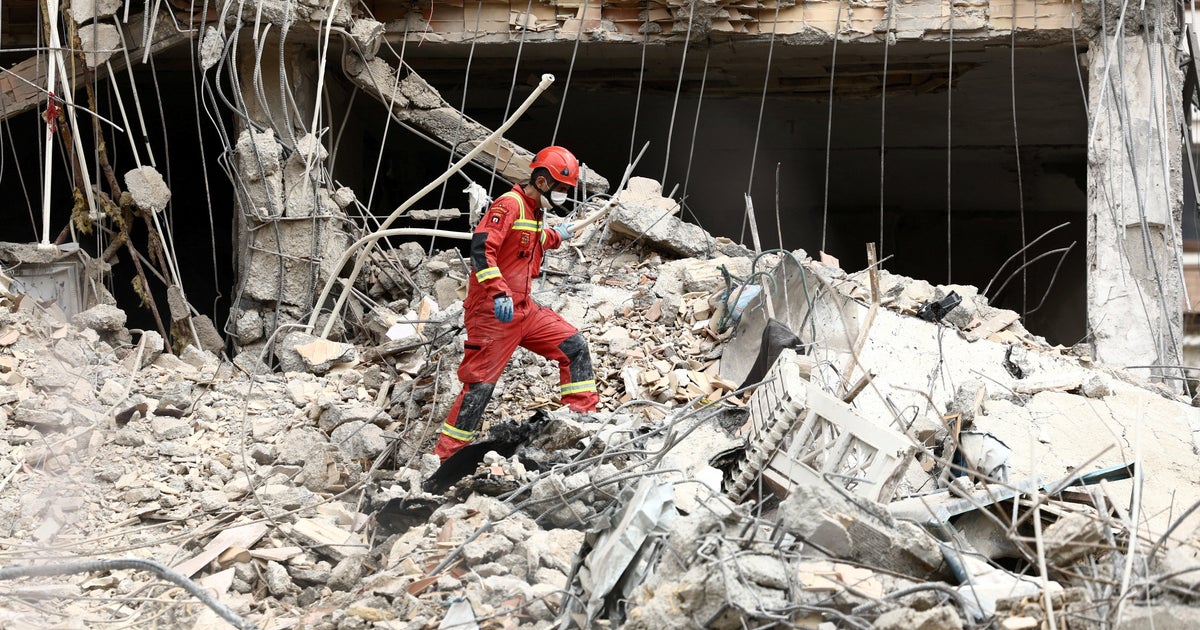
The ongoing conflict has had far-reaching consequences, including the destruction of critical infrastructure and a global energy crisis. The situation remains uncertain, with many wondering what the outcome will be and who will ultimately bear the blame.
The international community is closely watching the developments in the Middle East, with many countries affected by the energy crisis. The situation has also raised questions about the effectiveness of Trump's foreign policy and the long-term implications for the region.
The ongoing conflict in the Middle East highlights the complexities of international diplomacy and the challenges of navigating multiple interests. While Trump's administration may be engaging in talks with Iran, the Israeli government's readiness for a prolonged conflict raises concerns about the region's stability. The situation serves as a reminder of the need for clear communication and coordination among global leaders to prevent further escalation and ensure a peaceful resolution.