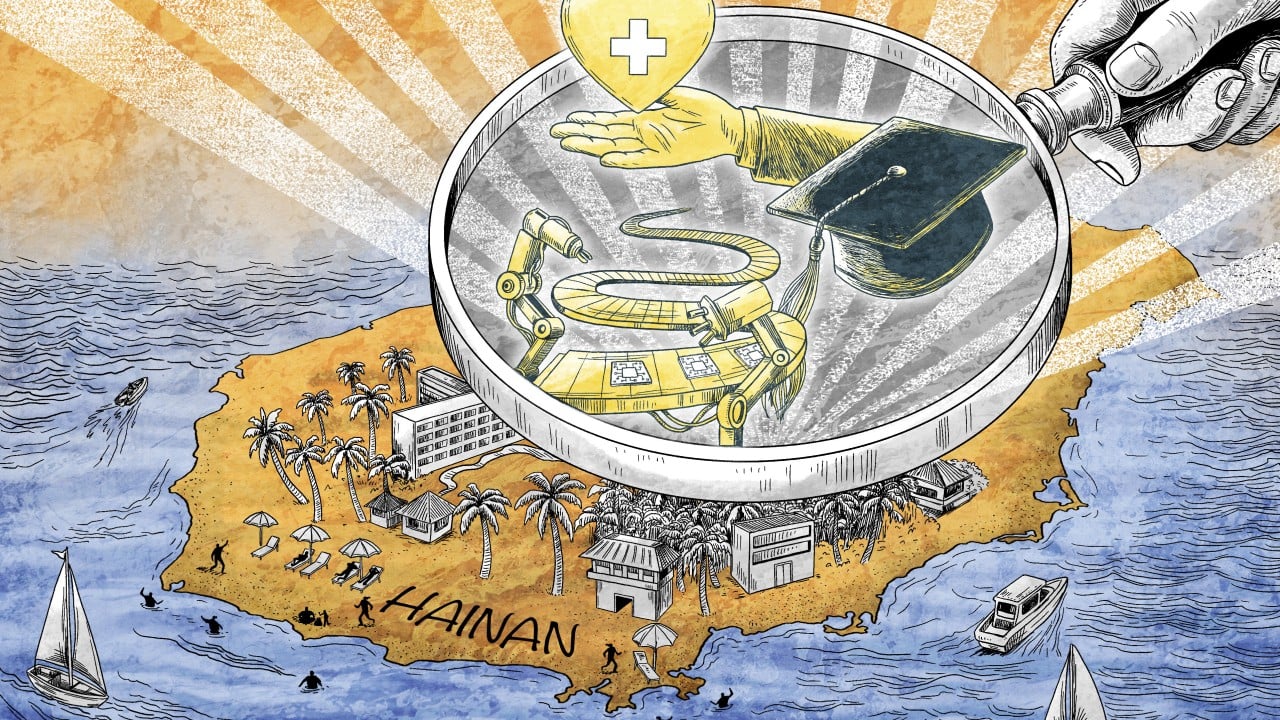
Hainan Province in China has taken a significant step towards transforming its economy by becoming a separate customs territory. This move, which took effect on December 18, has exempted nearly 74% of taxable imports from tariffs, covering over 6,600 categories of goods. The decision is part of the province's efforts to shift away from its traditional reliance on tourism and towards a more sustainable growth pattern, driven by its new status as a free-trade port.
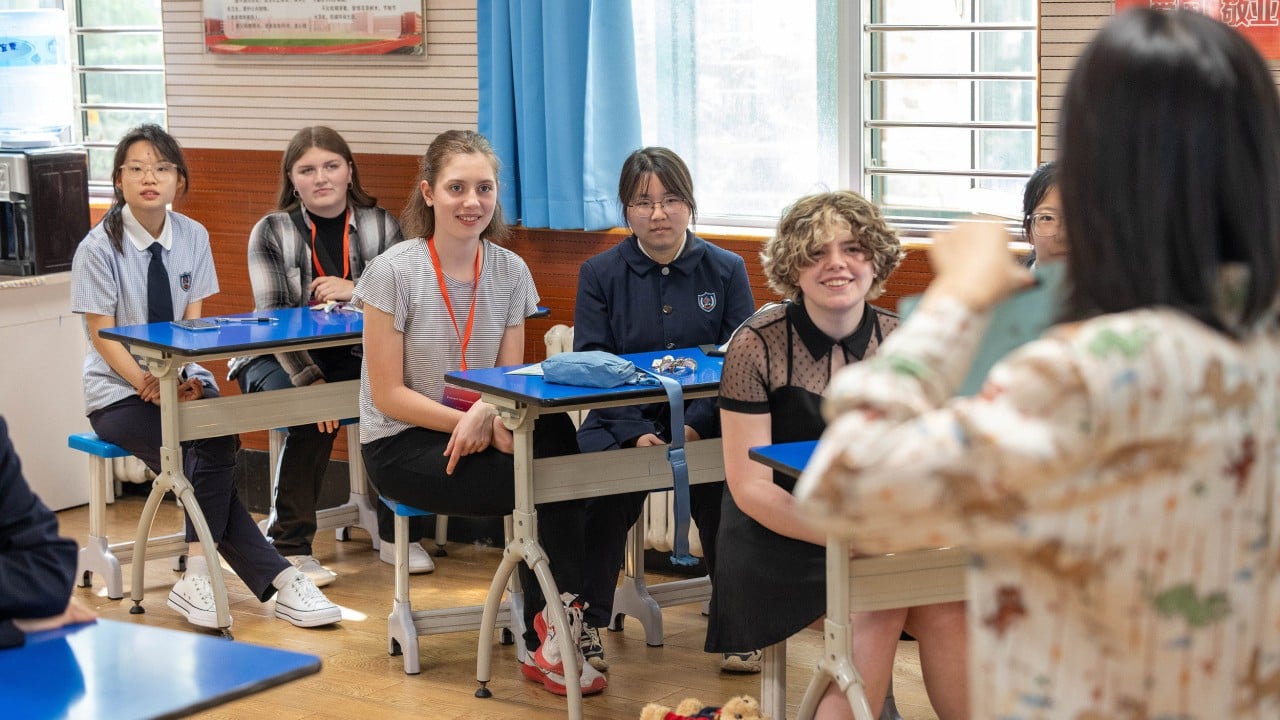
The transformation of Hainan's economy has been underway for several years, with the province experiencing a significant decline in economic momentum around 2020. As a result, the island's capital, Haikou, has seen a shift from a focus on property development to a growing interest in professional and research activities. This change is evident in the increasing number of foreign academics and professionals arriving in the province through university partnerships.
The new customs rules are expected to further boost Hainan's economy by making it more attractive to businesses and investors. However, the province still faces significant structural constraints, which will need to be addressed in order to achieve long-term success.
The move by Hainan Province to become a separate customs territory is a significant step towards diversifying its economy and reducing its reliance on tourism. This decision has the potential to attract more businesses and investors to the region, which could lead to increased economic growth and development. However, the province will need to address its structural constraints in order to achieve long-term success.