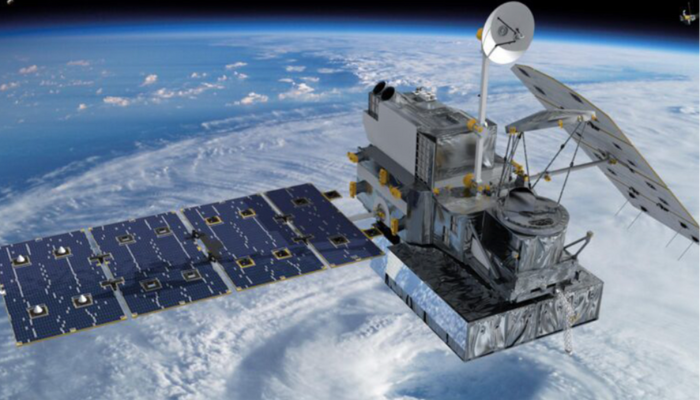
Nigeria's communications satellite, NigComSat-1R, is at risk of losing technical support that keeps it in orbit due to an unpaid debt of $11.4 million to its Chinese contractor, China Great Wall Industry Corporation (CGWIC). This dispute has revealed that Nigeria has lacked direct control of the satellite for nearly seven years, with the Chinese contractor running the ground station in China since 2018. The arrangement was initially designed as a temporary backup after lightning destroyed Nigeria's primary control facility in Abuja. However, it became a permanent setup, with CGWIC providing technical control services without payment since 2019.
The outstanding debt has been accumulating over the years, with a total of $11,442,335.89 owed as of December 31, 2025. The Chinese contractor has expressed frustration over the lack of payment, with Liu Lan, CGWIC's head of Africa, stating that the agency had not responded to his concerns about the outstanding payment in December 2025. The dispute has raised questions about how Nigeria manages its critical infrastructure and the potential consequences of a breakdown in the relationship with the Chinese contractor.
NIGCOMSAT's managing director, Jane Egerton-Idehen, insists that the agency retains full control of the satellite's strategic direction, despite relying on external technical expertise. However, telecom industry executives have expressed concerns that the consequences of a breakdown in the relationship could quickly escalate into a national infrastructure crisis.
💡 NaijaBuzz TakeThe dispute over Nigeria's communications satellite highlights the risks of relying on foreign contractors for critical infrastructure. As Nigeria continues to develop its space ambitions, it must prioritize direct control and ownership of its satellite operations to avoid similar disputes in the future. This requires a more strategic approach to managing critical infrastructure, including investing in local expertise and technology to reduce dependence on foreign contractors.