When smart glasses harm, who is accountable?
**When Smart Glasses Invade Privacy, Who Takes the Blame?**
Imagine walking down the street in Lagos, wearing your favourite pair of Ray-Ban glasses, only to discover that they're secretly recording you. This scenario may seem like the stuff of science fiction, but with the rapid advancement of smart glasses technology, it's becoming a disturbing reality. In Nigeria, where social norms and cultural values are deeply rooted, the implications of such technology are particularly concerning.
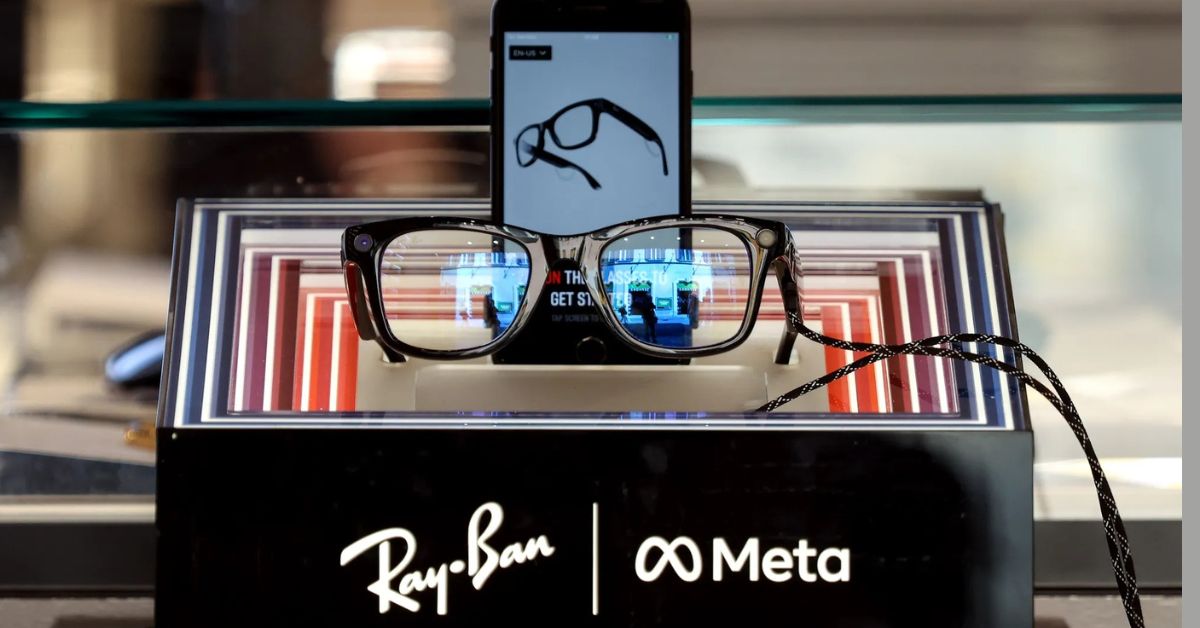
Meta, the tech giant behind the popular smart glasses, Ray-Ban Meta Display, has sold over seven million units worldwide. These sleek glasses are more than just a fashion statement; they're a powerful tool that can capture photos and videos, and even display information on a monocular screen. But as their popularity grows, so do concerns about privacy and accountability.
A recent case in Ghana and Kenya highlights the darker side of smart glasses technology. A Russian vlogger, Vyacheslav Trahov, was accused of secretly filming women during flirtatious encounters and uploading the footage to online forums. The women involved were unaware they were being recorded, and the harm was done long before the videos were widely shared. This incident raises questions about who is responsible when smart glasses are used to harass, exploit, or defame.
Regulatory bodies, such as the European Union's General Data Protection Regulation (GDPR), have imposed hefty fines on tech giants like Meta for violating user data and exploiting their services. In Nigeria, where social media usage is on the rise, the Nigerian Data Protection Regulation (NDPR) aims to protect citizens' personal data. However, fines alone may not be enough to fix the problem. In many cases, the harm caused by smart glasses technology can be irreparable, threatening the reputations and livelihoods of those affected.
As smart glasses technology continues to evolve, it's essential to have a national conversation about accountability and responsibility. Who should be held accountable when smart glasses are used to invade privacy? Is it the tech company that built the technology, the individual wearing the glasses, or the victims who bear the emotional and reputational costs? In Nigeria, where cultural values place a high premium on respect and dignity, it's crucial that we prioritize the protection of citizens' rights and freedoms.
Source: Original Article. AI-enhanced version.