US President Donald Trump has proposed a 15-point plan to Iran in a bid to end a nearly month-long war between the two nations. According to reports, the plan includes a one-month ceasefire during which the sides would discuss a proposal that would include handing over Iran's enriched uranium and banning further enrichment. This move comes as Iran has announced that it will allow "non-hostile" oil vessels to pass through the Strait of Hormuz, a crucial waterway that has been blockaded by Iran in retaliation for US and Israeli strikes.
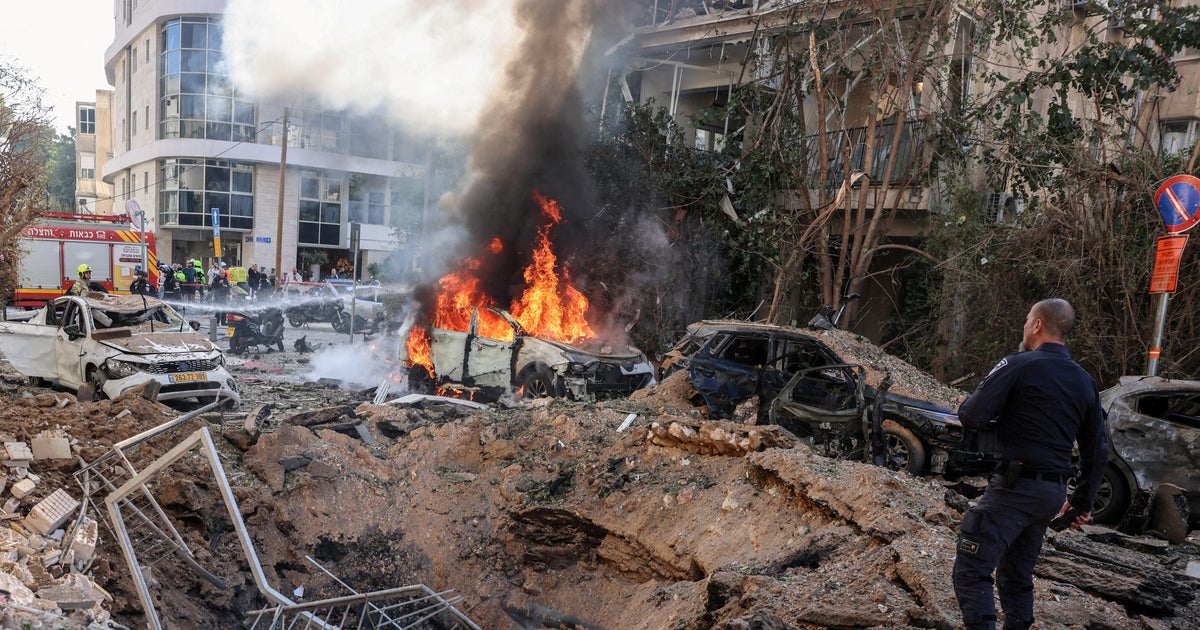
The decision to allow non-hostile vessels to pass through the strait is seen as a tentative sign of a diplomatic solution, despite new violence in the region. An Iranian missile caused injuries in Israel, which in turn pressed on multiple fronts and vowed to seize control of a strip of southern Lebanon. The US had threatened to "obliterate" Iran's power plants if the strait was not opened by late Monday Washington time, but Trump extended the deadline by five days, citing diplomatic progress.
Iran's decision to allow non-hostile vessels to pass through the strait has sent a positive signal to the global community, particularly in the energy sector. The Strait of Hormuz is the gateway for one-fifth of the world's oil, and any disruption to the flow of oil has significant implications for global energy prices. The US and Iran are now engaged in negotiations, with Pakistan's prime minister offering to host talks between the two nations.
The future of the negotiations and the implementation of the proposed 15-point plan remain uncertain. However, the tentative signs of a diplomatic solution are a welcome development in a region that has been plagued by conflict and violence.
The proposed 15-point plan by the US is a significant development in the ongoing conflict between the US and Iran. The inclusion of a one-month ceasefire and the proposal to hand over Iran's enriched uranium are crucial elements that could potentially lead to a lasting peace. However, the success of these negotiations will depend on the willingness of both sides to engage in good faith and compromise. The global community is watching with bated breath as the situation unfolds, and it remains to be seen whether this tentative sign of a diplomatic solution will ultimately lead to a peaceful resolution.