The US Senate has rejected a Democratic-led effort to rein in President Trump's powers in Iran, dealing a blow to efforts to challenge the military offensive against the country.
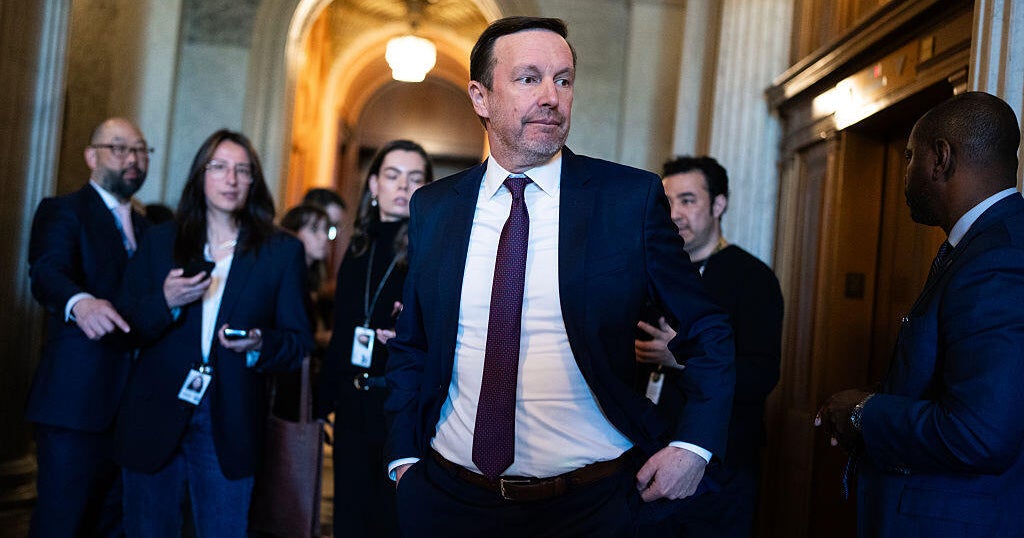
The Senate vote, which fell short of the required simple majority, saw every Republican except Senator Rand Paul of Kentucky vote against the resolution. Meanwhile, every Democrat except Senator John Fetterman of Pennsylvania backed the measure. The rejection of the resolution, introduced by Democratic Senator Chris Murphy of Connecticut, is the third time since the conflict began that Senate Republicans have blocked efforts to challenge Mr. Trump's authority to wage war on Iran.
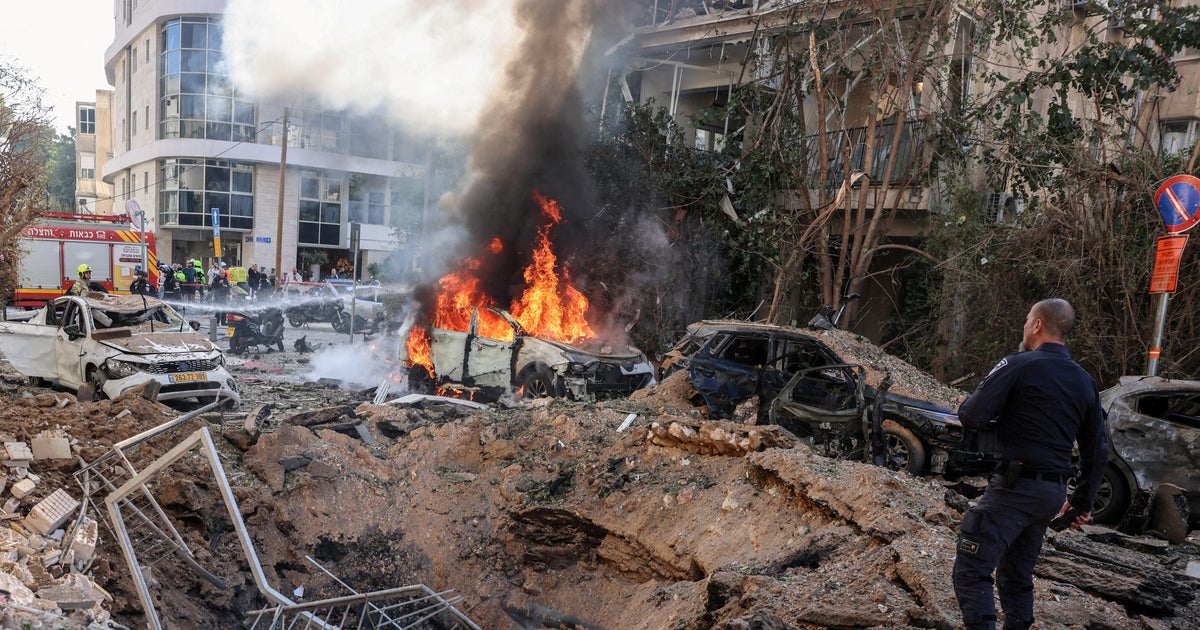
The conflict, which started on February 28, has seen American soldiers die while the administration has been accused of hiding the war from the public. Senator Murphy argued that the administration's refusal to provide public hearings on the matter is a clear indication of the war's consequences being "stunning in their scope." He also accused the administration of being unwilling to defend its war strategy.
The Trump administration and Republicans have argued that the president has the authority to order military action in self-defense under the Constitution and the 1973 War Powers Act. However, critics have disputed this claim, pointing out that the administration has failed to provide clear evidence of an "imminent" threat from Iran.
The rejection of the resolution has left the off-ramp from the war unclear, with President Trump claiming that it will wrap up soon but providing no clear timeline.
The US Senate's rejection of the Democratic-led effort to rein in President Trump's powers in Iran is a worrying development that highlights the country's ongoing struggle with accountability in its military actions. The lack of transparency and public hearings on the war has raised concerns about the administration's strategy and the consequences of its actions. As the war continues, it is imperative that the US Congress exercises its oversight powers to ensure that the administration is held accountable for its actions.