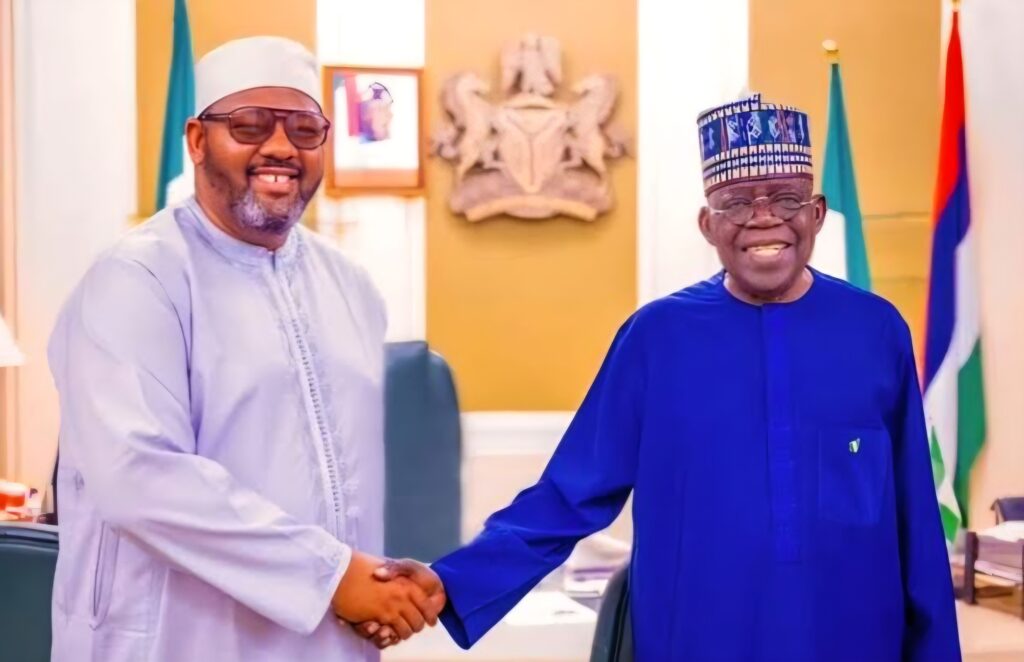
The UN Secretary-General, Antonio Guterres, has expressed concern over the escalating conflict in Iran, warning that the situation has spiralled out of control. Guterres made the remarks at a news conference at UN headquarters in New York, where he called for an end to military escalation and a return to full respect of international law.
The conflict, which has involved the US, Israel, and Iran, has resulted in significant human suffering, civilian casualties, and a devastating global economic impact. Guterres urged the parties involved to stop the military operations and strikes, which have disrupted shipping traffic through the Strait of Hormuz, a critical artery for global goods and energy trade.
The Strait of Hormuz handles a significant portion of global oil trade, liquefied natural gas trade, and fertiliser trade. Guterres highlighted the economic ripple effects of the war, including the prolonged closure of the Strait of Hormuz, which is choking the movement of oil, gas, and fertiliser at a critical moment in the global planting season.
The UN chief also expressed concern over the situation in Lebanon, where Israel's military operations have been hitting civilians the hardest. Guterres called for an end to the conflict, which he described as "totally out of control" and "absolutely devastating."
The UN Secretary-General's warning over the Iran war is a stark reminder of the devastating consequences of military escalation. President Trump's decision to extend the pause on strikes on Iranian energy plants by 10 days is a welcome development, but it is crucial that all parties involved in the conflict work towards a peaceful resolution. The economic impact of the war is already being felt, with a significant increase in crude oil prices and a rise in the prices of liquefied natural gas shipments and nitrogen-based fertilisers. The World Bank has warned that prolonged disruptions and damage to infrastructure could deepen the challenges facing already fragile economies. It is imperative that diplomacy takes centre stage and that all parties respect international law to prevent further devastation.