Tensions Escalate in Middle East as Israel Kills Top Iranian Commander
The Israeli military has launched a targeted strike against a top Iranian commander, killing him in a move that has been met with warnings from the United States.
The commander, who was identified as the head of Iran's Quds Force, was killed in a drone strike in Syria. The Quds Force is a special operations unit of the Iranian Revolutionary Guard Corps, responsible for conducting military operations outside of Iran.
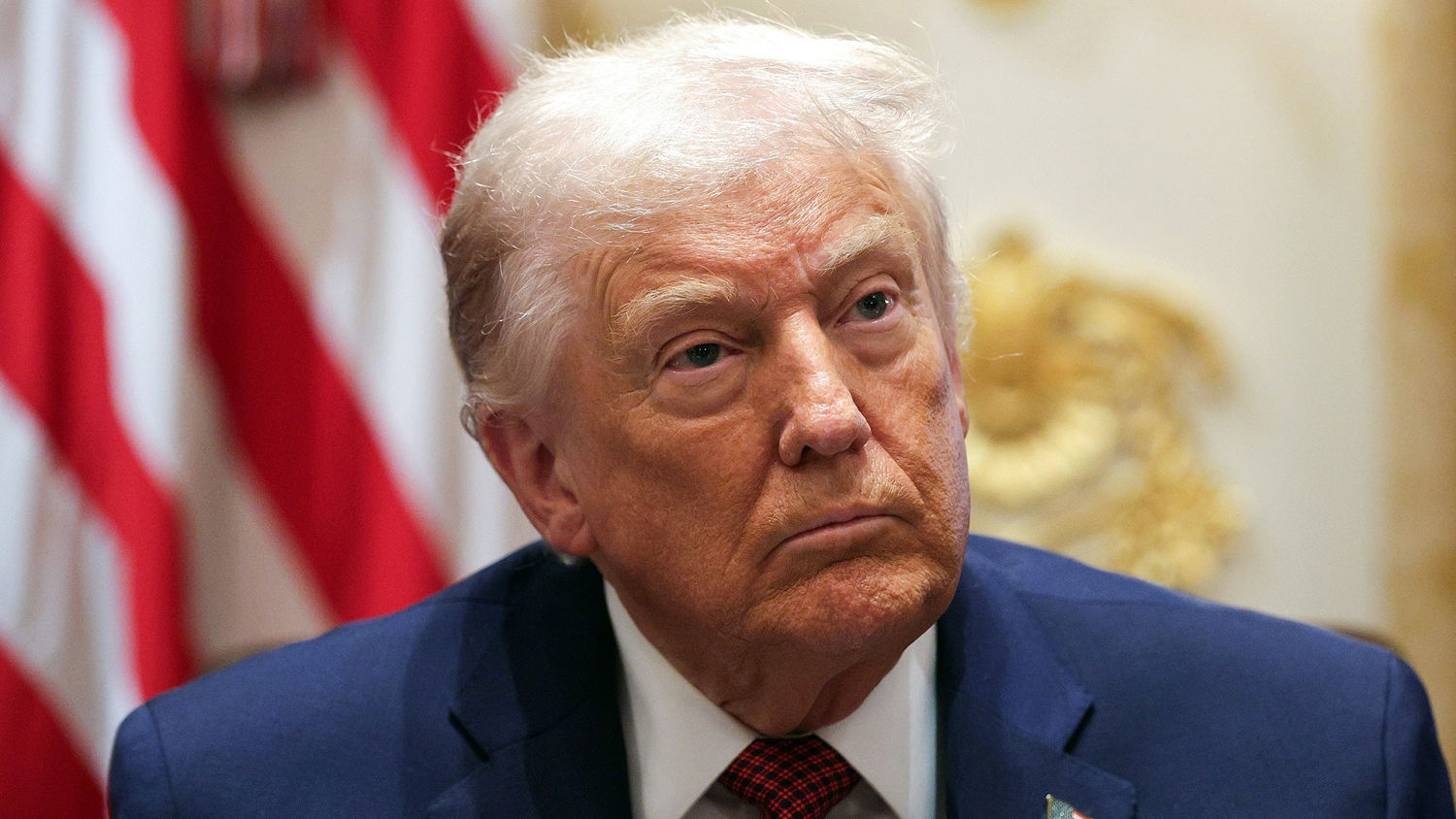
The Israeli military has not publicly confirmed the strike, but officials have hinted that it was a response to recent Iranian aggression in the region. The United States has issued a statement warning Iran against escalating the situation, with US officials saying that the country should accept its defeat.
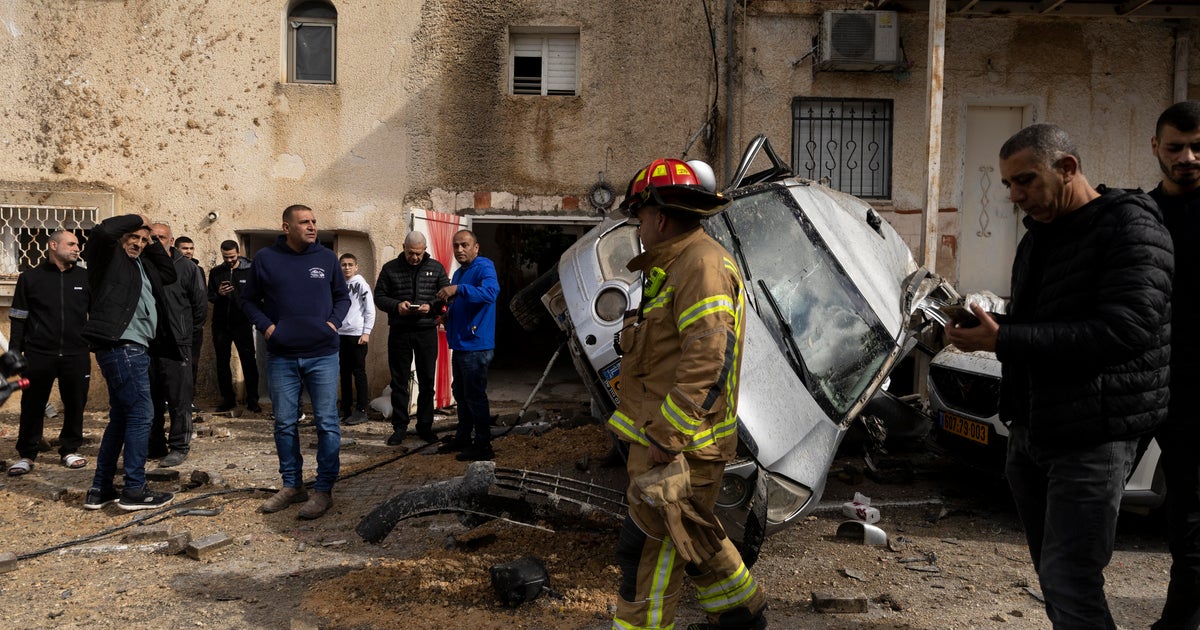
The killing of the commander has raised concerns about the potential for further conflict in the region. Experts say that the situation is highly volatile, with multiple parties involved and a complex web of alliances and rivalries.
The US has a long-standing policy of opposing Iranian aggression in the region, and has imposed economic sanctions on the country in an effort to curb its nuclear program. The situation is being closely watched by diplomats and military officials around the world, who are waiting to see how Iran will respond to the killing of its top commander.
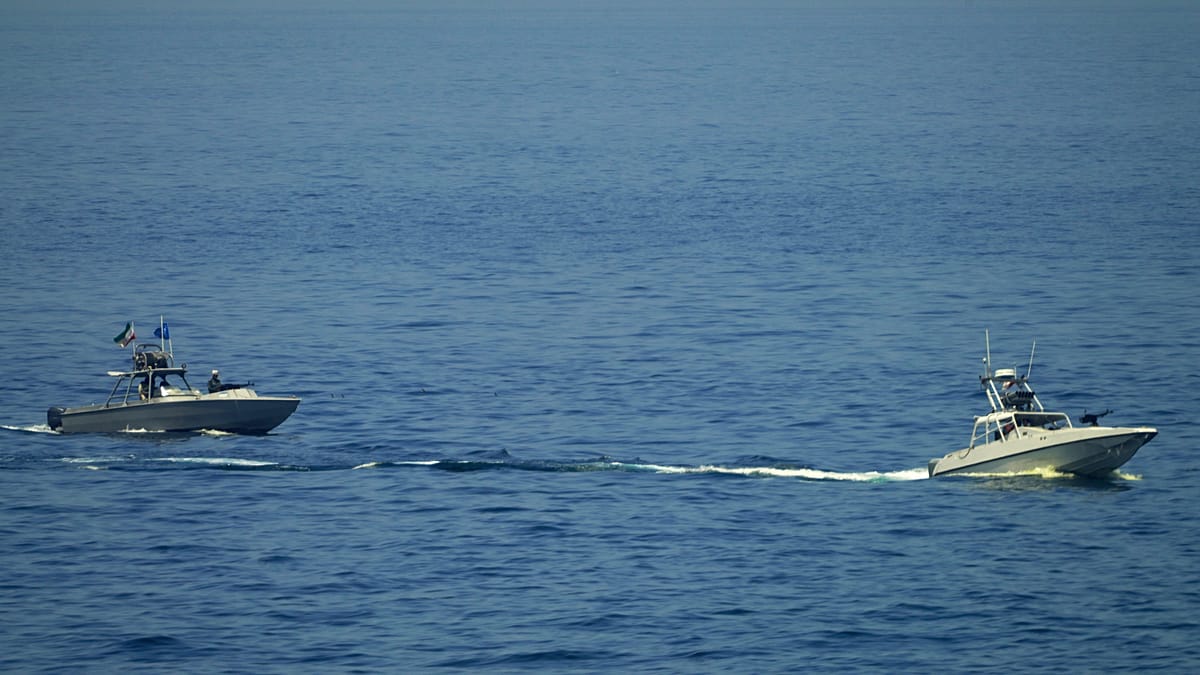
The Middle East has long been a region of conflict, with multiple countries and factions vying for power and influence. The killing of the Iranian commander has added to the tensions in the region, and it remains to be seen how the situation will unfold.
The US stance on Iran's aggression in the Middle East is clear, and the recent killing of a top Iranian commander is a direct result of that policy. The Israeli military's actions have been a response to Iranian aggression, and it is likely that the situation will continue to escalate unless Iran accepts defeat. The international community is watching closely, and it remains to be seen how Iran will respond to the growing pressure. The situation is a stark reminder of the complex web of alliances and rivalries in the Middle East, and the potential for conflict in the region.