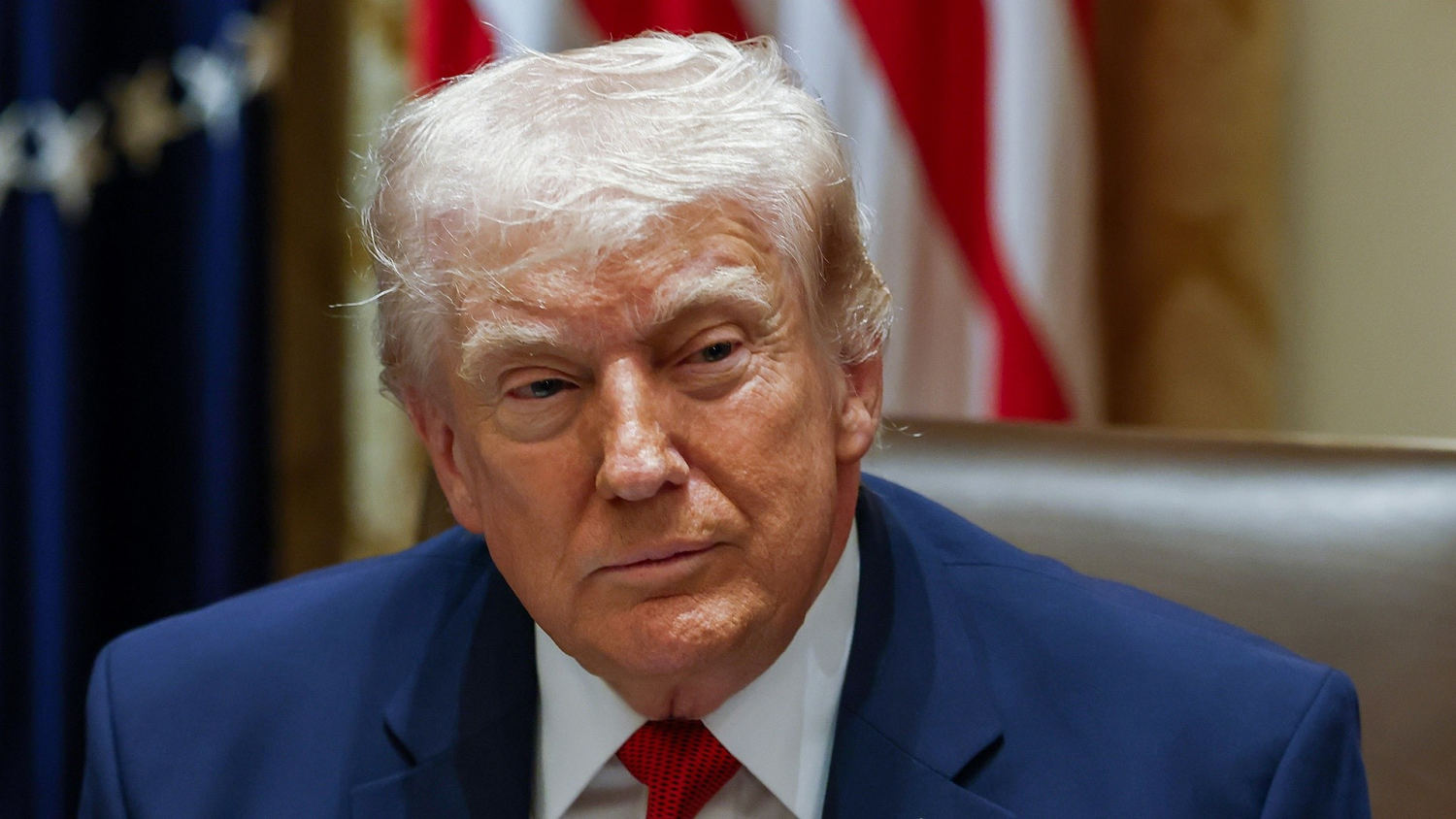
US President Donald Trump has unexpectedly delayed the planned strikes on Iran's energy sector by 10 more days, a move that could potentially ease tensions between the two nations. This decision comes as the conflict between the US, Israel, and Iran continues to escalate, with both sides engaging in air and drone strikes.
The situation has been further complicated by President Trump's announcement of potential peace talks with Iran, which the country has publicly disputed. Despite this, the US President has chosen to extend the deadline for Iran to open the Strait of Hormuz, warning that failure to comply will result in attacks on the country's power plants.
Experts have been analyzing the implications of this decision, with some speculating that it may be a tactical move to give Iran more time to reconsider its stance. The Strait of Hormuz is a critical waterway that connects the Persian Gulf to the Gulf of Oman, and any disruption to its operations could have significant consequences for global oil prices.
As the situation in the Middle East continues to unfold, the international community is closely watching developments. The delay in planned strikes may provide a window of opportunity for diplomatic efforts to de-escalate the conflict.
The latest development in the US-Iran conflict highlights the complexities of international diplomacy. President Trump's decision to delay strikes on Iran's energy sector may be seen as a strategic move to ease tensions, but it also raises questions about the country's ability to negotiate with adversaries. The potential for peace talks is a welcome development, but the outcome remains uncertain.