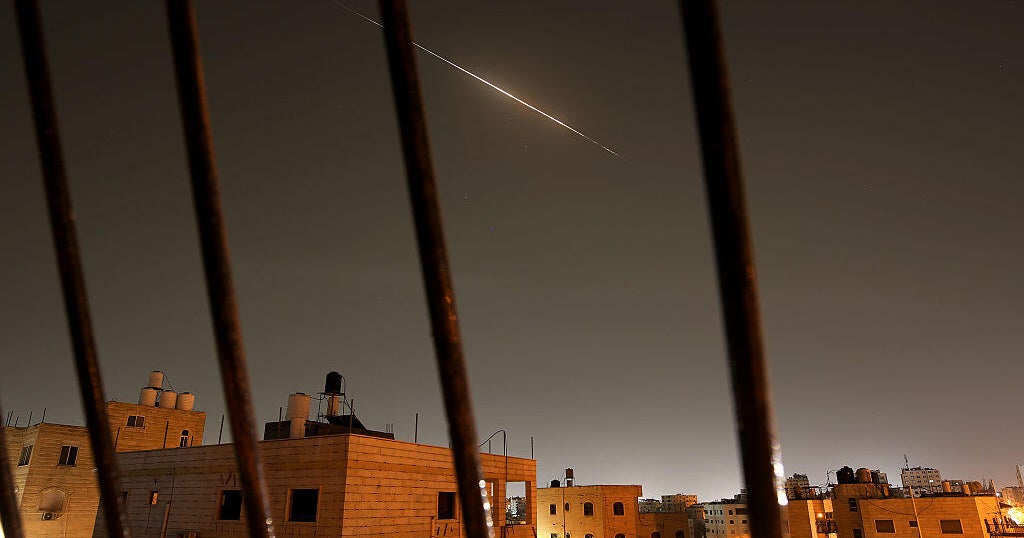
The Iran war has entered its fourth week, with mounting costs in terms of human lives and environmental damage.
The ongoing conflict in Iran is taking a devastating toll on the country's environment and human health. According to experts, the use of explosive and incendiary weapons in populated areas is causing widespread destruction and releasing toxic chemicals into the air. The writer notes that the impact of these chemicals on civilians, particularly children and the elderly, is a major concern. The author argues that the long-term effects of exposure to these toxins could be severe, causing respiratory problems, cancer, and other health issues.
The conflict is also affecting the food supply and water sources, which could lead to widespread famine and disease outbreaks. Experts say that the war is exacerbating existing environmental problems in Iran, such as air pollution and water scarcity. The country's fragile ecosystem is struggling to cope with the additional strain, making it difficult for civilians to access basic necessities like clean water and food.
In a region already vulnerable to climate change, the Iran war is further exacerbating the situation. The author notes that the conflict is also having a ripple effect on neighboring countries, which could lead to a broader humanitarian crisis.
As the war in Iran continues, the international community is calling for an immediate ceasefire to prevent further devastation. The United Nations has urged all parties involved to respect international humanitarian law and protect civilians from harm.
The ongoing war in Iran highlights the devastating consequences of conflict on human health and the environment. The international community must take immediate action to prevent further destruction and protect civilians from harm. The ripple effect of this conflict could have far-reaching consequences, making it essential for all parties involved to respect international humanitarian law and prioritize the well-being of civilians.