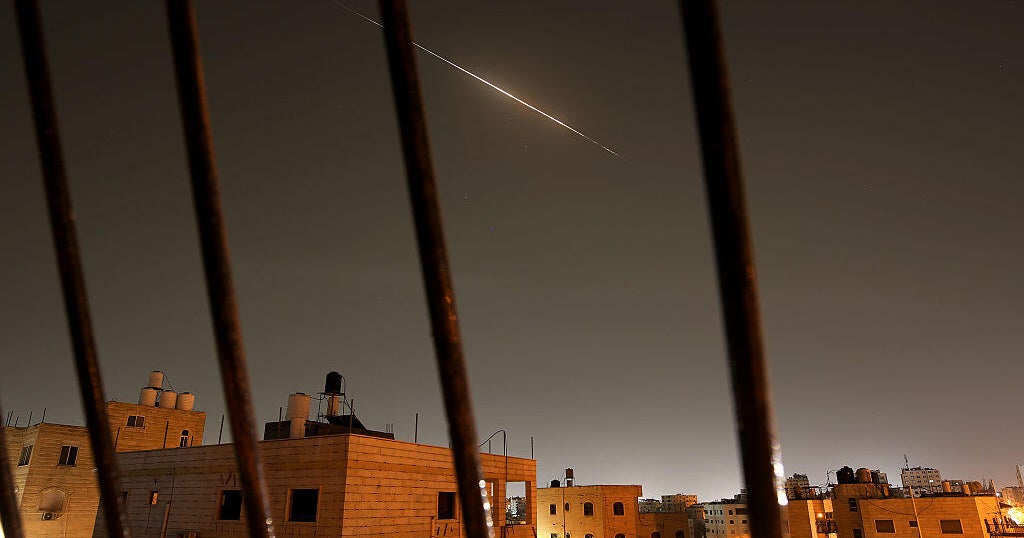
Iran has threatened to shut down the vital waterway, the Strait of Hormuz, in response to President Trump's warning that the US would take action against Iran's military if its threats against the US and its allies persisted.
The Strait of Hormuz, a narrow passage connecting the Gulf to the Arabian Sea, is a critical shipping route that carries about 20% of the world's oil supplies. Iran's threat to block the strait has sent shockwaves through the global energy market, causing oil prices to surge. The US has long been a major consumer of oil from the region, and any disruption to the flow of crude oil could have far-reaching consequences for the global economy.
The dispute between the US and Iran has been escalating since the US withdrew from the Iran nuclear deal in 2018. The US has since imposed harsh sanctions on Iran, which has led to a significant decline in the country's oil exports. Iran's ability to threaten the Strait of Hormuz had been degraded, according to the commander of the US Central Command (CENTCOM), which has contributed to the heightened tensions.
The implications of a complete closure of the Strait of Hormuz would be severe, with oil prices potentially doubling or even tripling in the short term. The impact would be felt not just in the US, but also in other major oil-consuming countries, including China and Japan.
The US and Iran's escalating tensions have brought the world to the brink of a potential oil crisis. The Strait of Hormuz is a critical artery of global energy trade, and any disruption to its flow would have far-reaching consequences for the global economy. The US must take decisive action to prevent a catastrophic escalation of the conflict, which would not only harm the global economy but also put innocent lives at risk. The international community must come together to find a peaceful resolution to the conflict and prevent a global oil crisis.