The documentary Sweet Poison premiered in Lagos on Wednesday, May 20, 2026, presenting a critical look at the role of ultra-processed food and beverage companies in normalizing sugary drink consumption across Nigeria. Produced by Corporate Accountability and Public Participation Africa (CAPPA), the film avoids blaming individual consumers and instead focuses on systemic issues, using medical expert testimonies, policymaker insights, and personal stories from Nigerians living with non-communicable diseases linked to high sugar intake. It highlights how aggressive marketing strategies—on buses, billboards, school walls, and street corners—position sugary drinks as fun, youthful, and refreshing, despite their health risks.
The film illustrates how deeply embedded sugary drinks are in daily Nigerian life, often chosen over water despite higher cost, with consumers unaware of the nutritional implications. It documents how parents, caught in the pace of modern living, increasingly rely on ultra-processed foods and beverages for their children, contributing to a growing public health crisis. Interviews with university students, traders, and fishermen reveal widespread lack of awareness about sugar content and its long-term health effects. Medical professionals in the documentary link excessive consumption of sugar-sweetened beverages (SSBs) to rising cases of diabetes, obesity, and other non-communicable diseases.
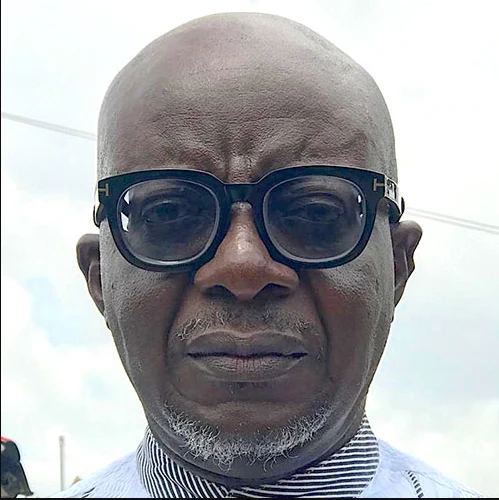
Akinbode Oluwafemi, Executive Director of CAPPA, speaking at the premiere, described the film as an effort to connect medical evidence with lived realities, showing how dependence on sugary drinks is reshaping Nigeria's health landscape. Sweet Poison also addresses industry claims that taxing sugary drinks would harm jobs and investment, acknowledging the economic role of the sector while arguing that public health must not be sacrificed. The documentary further raises concerns about environmental damage caused by beverage packaging waste. It calls for government action to regulate marketing and protect consumers from harmful industry practices.
Akinbode Oluwafemi says the film does not blame consumers, yet positions government as the only actor capable of stopping harm caused by products his organisation frames as dangerously pervasive. The documentary's call for state intervention ignores whether existing agencies have failed to act or lack enforcement power. It presents industry taxes as a solution without naming specific policies or showing how revenue would be used. The film's silence on implementation gaps leaves viewers with a problem but no clear path to resolution.
💡 NaijaBuzz Take is AI-assisted editorial opinion, not established fact. Full disclaimer →