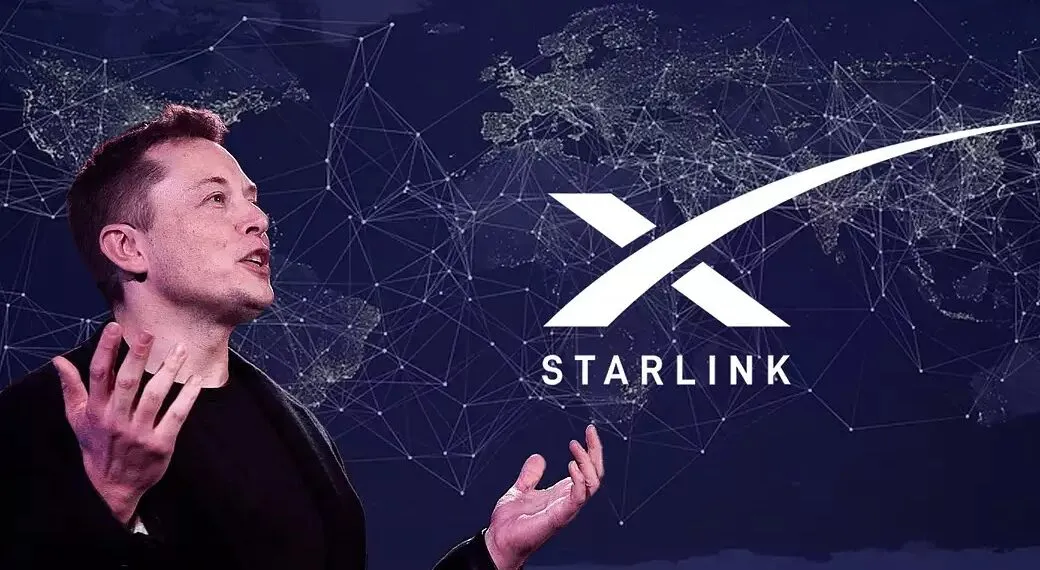
Starlink, a satellite internet service by Elon Musk's SpaceX, is set to revolutionize the digital landscape across Francophone Africa. However, the pace and form of this transformation are heavily dependent on policy and regulation, rather than just technology. The expansion in the region is a negotiated process, where governments, telecommunications operators, and local market realities actively define how, where, and for whom this connectivity will be implemented.
Despite notable progress in mobile phone penetration on Francophone African markets over the last decade, connectivity remains a persistent challenge, both in terms of cost and availability. For millions of people spread across vast rural territories, reliable high-speed internet access remains out of reach. It is in this context that Starlink, a low-Earth orbit (LEO) satellite internet service, has emerged as a potential game-changer.
A partnership between Starlink and Airtel Africa has been announced, which could potentially bring high-speed internet to underserved areas. However, the success of this initiative hinges on regulatory approvals, which are currently pending. The existing digital divide in rural areas highlights both the potential of satellite internet and the challenges associated with its widespread adoption.
The expansion of Starlink in Francophone Africa is a complex process, influenced by a range of factors, including government policies, market realities, and technological capabilities. As the service rolls out, it will be crucial to monitor its impact on connectivity in rural areas and assess its potential to bridge the digital divide.
The proposed partnership between Starlink and Airtel Africa has the potential to revolutionize internet access in Francophone Africa. However, the success of this initiative will depend on the ability of regulators to create a conducive environment for the rollout of this service. In Nigeria, companies like Paystack and Flutterwave have successfully leveraged digital infrastructure to drive economic growth, and a similar model could be replicated in Francophone Africa with the right regulatory framework. The global significance of this development lies in its potential to bridge the digital divide and bring high-speed internet to underserved communities worldwide.