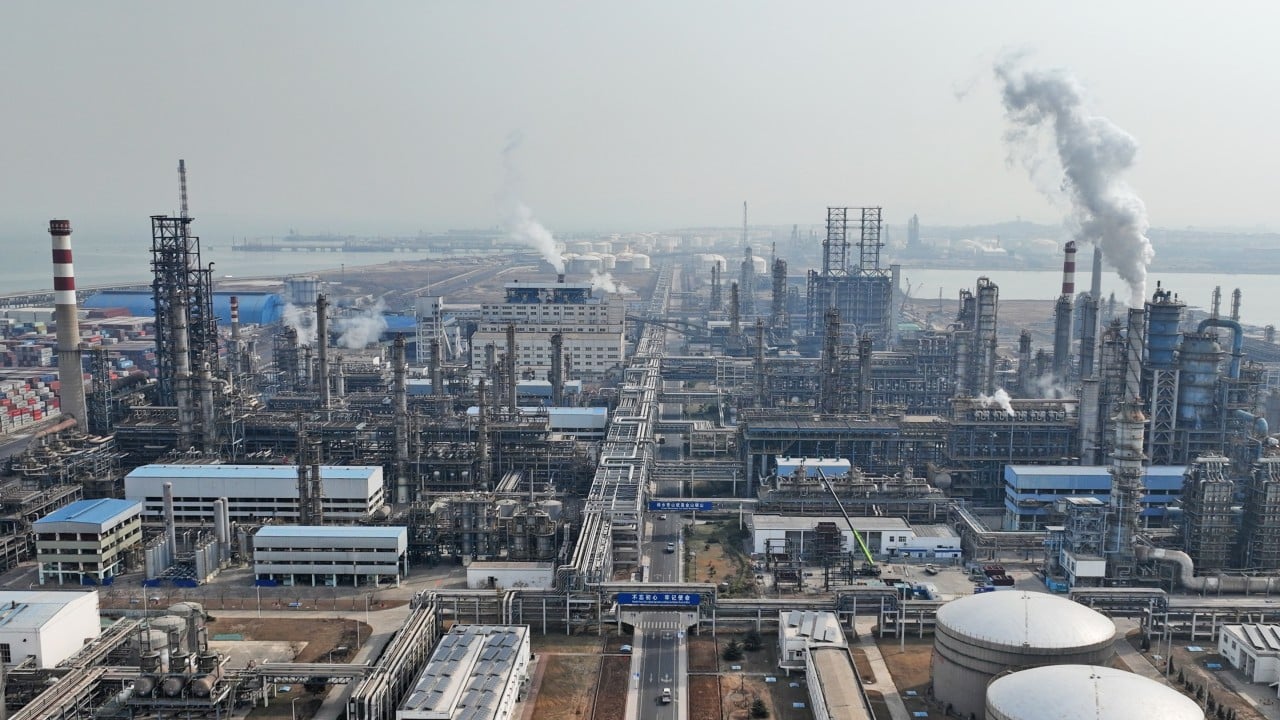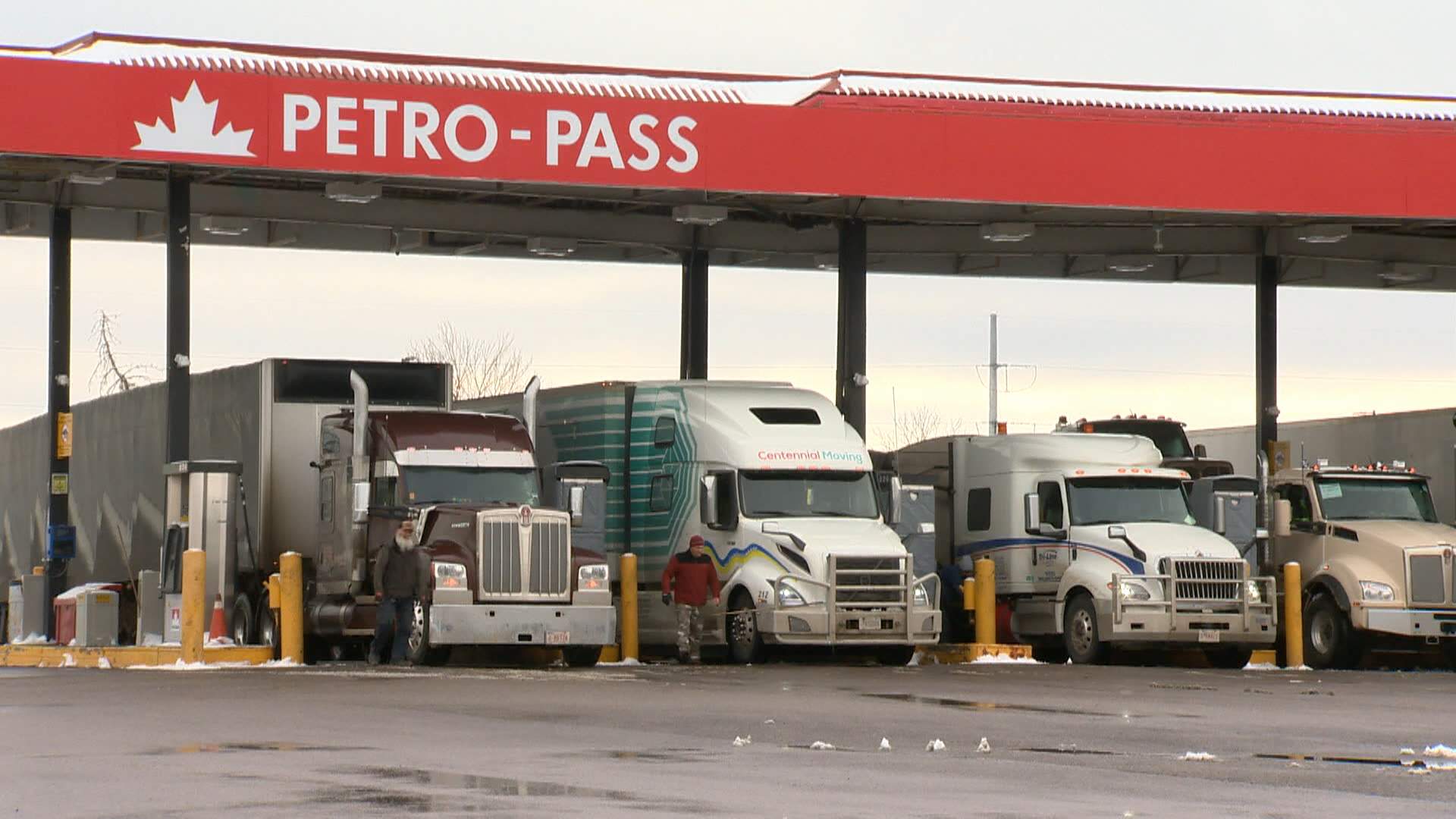
The global cost of diesel has skyrocketed, with the average price in Canada surging to nearly $2.30 per litre, a 50% increase in just three months. This drastic rise in fuel costs threatens to disrupt the global supply chain, particularly in industries that rely heavily on diesel, such as transportation. The closure of the Strait of Hormuz, a critical shipping route in the Middle East, has further exacerbated the situation, with no tankers leaving the region for the past four weeks. As a result, countries like China have banned exports of refined products, leaving countries like California scrambling to find replacements for their diesel and gasoline.
The refined products market is experiencing unprecedented price increases, with diesel fuel reaching as high as $200 a barrel. This has sent shockwaves through the global economy, with experts warning of a potential crisis. The transportation industry, which relies heavily on diesel, is particularly vulnerable to these price increases. The situation is expected to worsen in the coming weeks as the backlog of undelivered fuels continues to grow.
Nigeria's economy is heavily reliant on imported fuel, and a global shortage could have significant implications for the country's fuel prices. However, there is no indication that Nigeria is directly affected by the closure of the Strait of Hormuz.
The international community must take immediate action to mitigate the effects of the global diesel shortage. The ban on exports of refined products by countries like China has created a ripple effect, leaving countries like California scrambling to find alternative sources of fuel. The situation calls for urgent cooperation among nations to ensure a stable supply of diesel and other refined products.