China's economy would face significant pressure in the short term if a prolonged war in Iran were to affect its regional partners, particularly in Southeast Asia. This warning comes from Denis Depoux, a global managing director at Roland Berger, a leading consultancy firm. According to Depoux, China's resilience to economic shocks would be tested by a decline in demand from its trading partners, which include countries in the Association of Southeast Asian Nations. This region is China's biggest trading partner, with Chinese companies meeting a significant portion of the region's growing consumer and industrial demand.
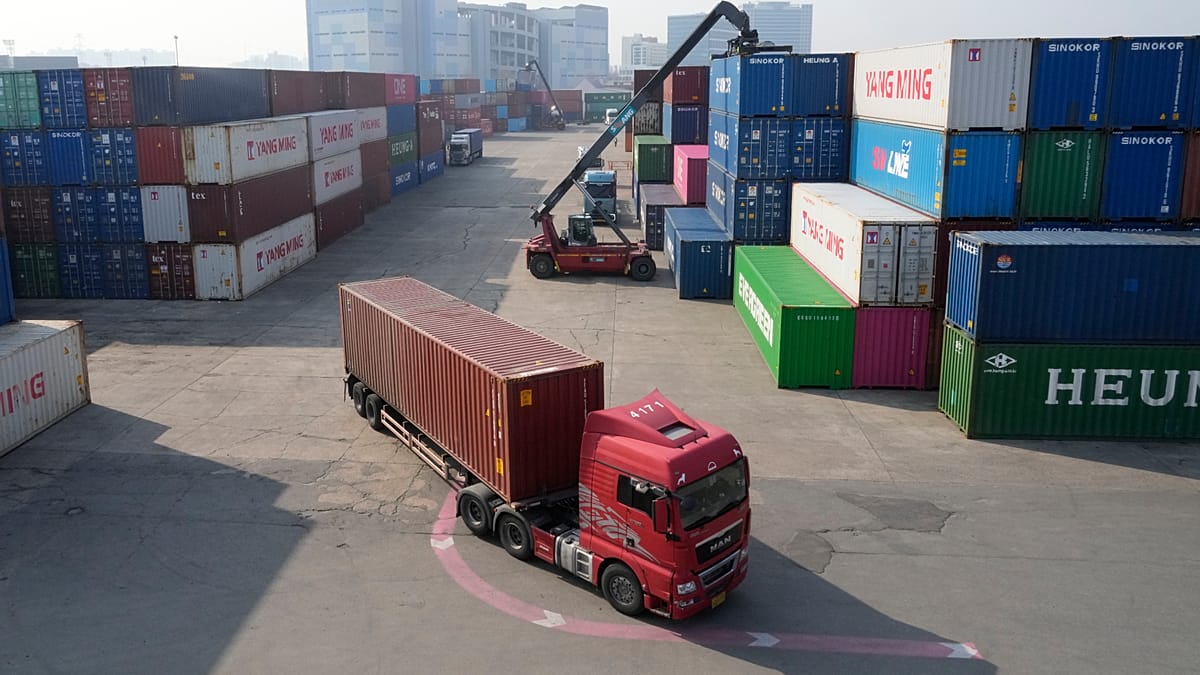
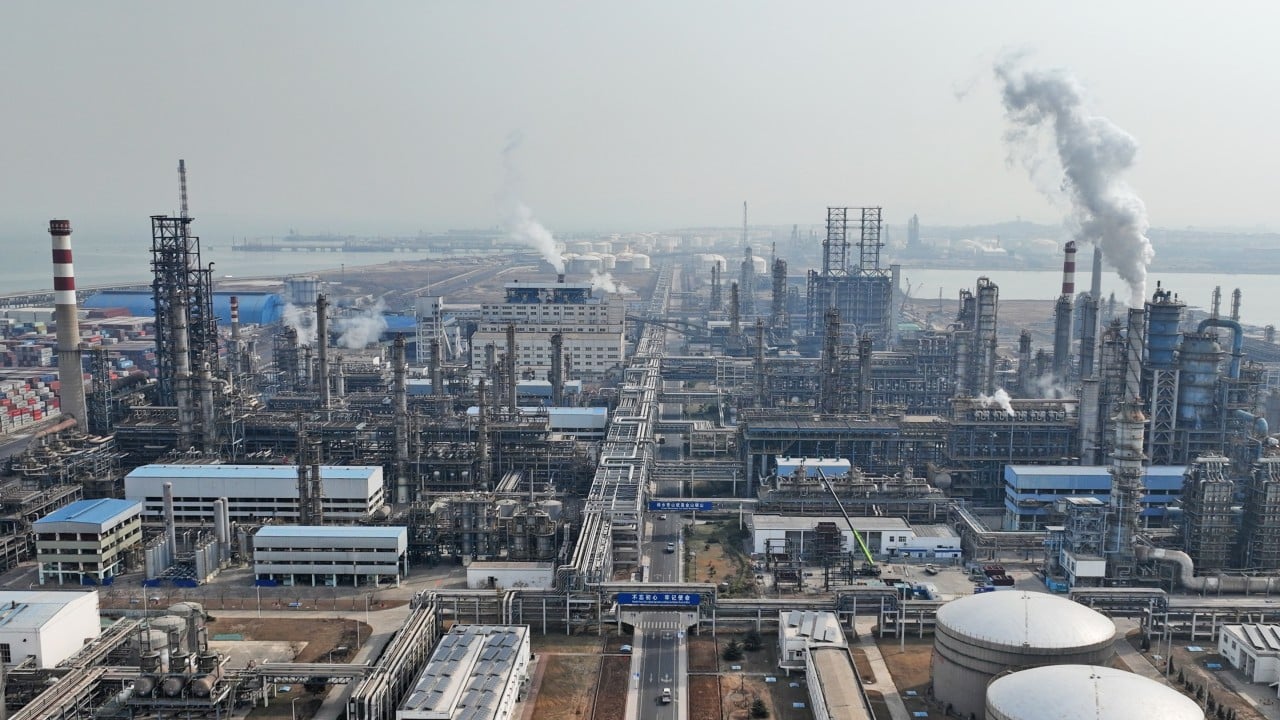
China's economic ties with Southeast Asia are substantial, with the region serving as a key market for Chinese exports. Chinese companies have established a strong presence in countries such as Indonesia, Vietnam, Cambodia, and Thailand, where they have set up manufacturing footholds to meet the growing demand. A significant decline in demand from these countries could have a ripple effect on China's economy, particularly its refiners, which rely on regional demand to stay afloat.
The impact of a war in Iran on China's economy would be felt indirectly, through the decline in demand from its regional partners. This could lead to a financial crisis in the affected countries, which in turn would have a knock-on effect on China's economy. The potential consequences of such a scenario highlight the need for China to be prepared for a prolonged economic downturn.
The global economy stands at a precipice, and the ripple effects of a war in Iran would be felt far beyond the Middle East. China's economic ties with Southeast Asia underscore the interconnectedness of the global economy, and the potential consequences of a prolonged economic downturn in the region. As the world's second-largest economy, China's resilience will be put to the test in the face of a global economic shock.