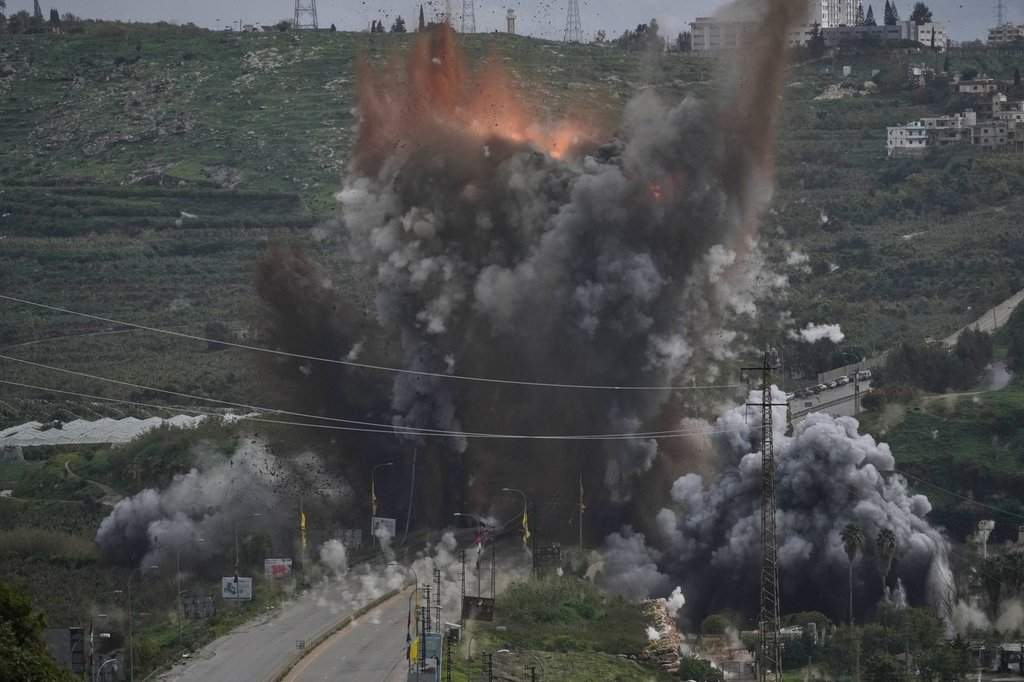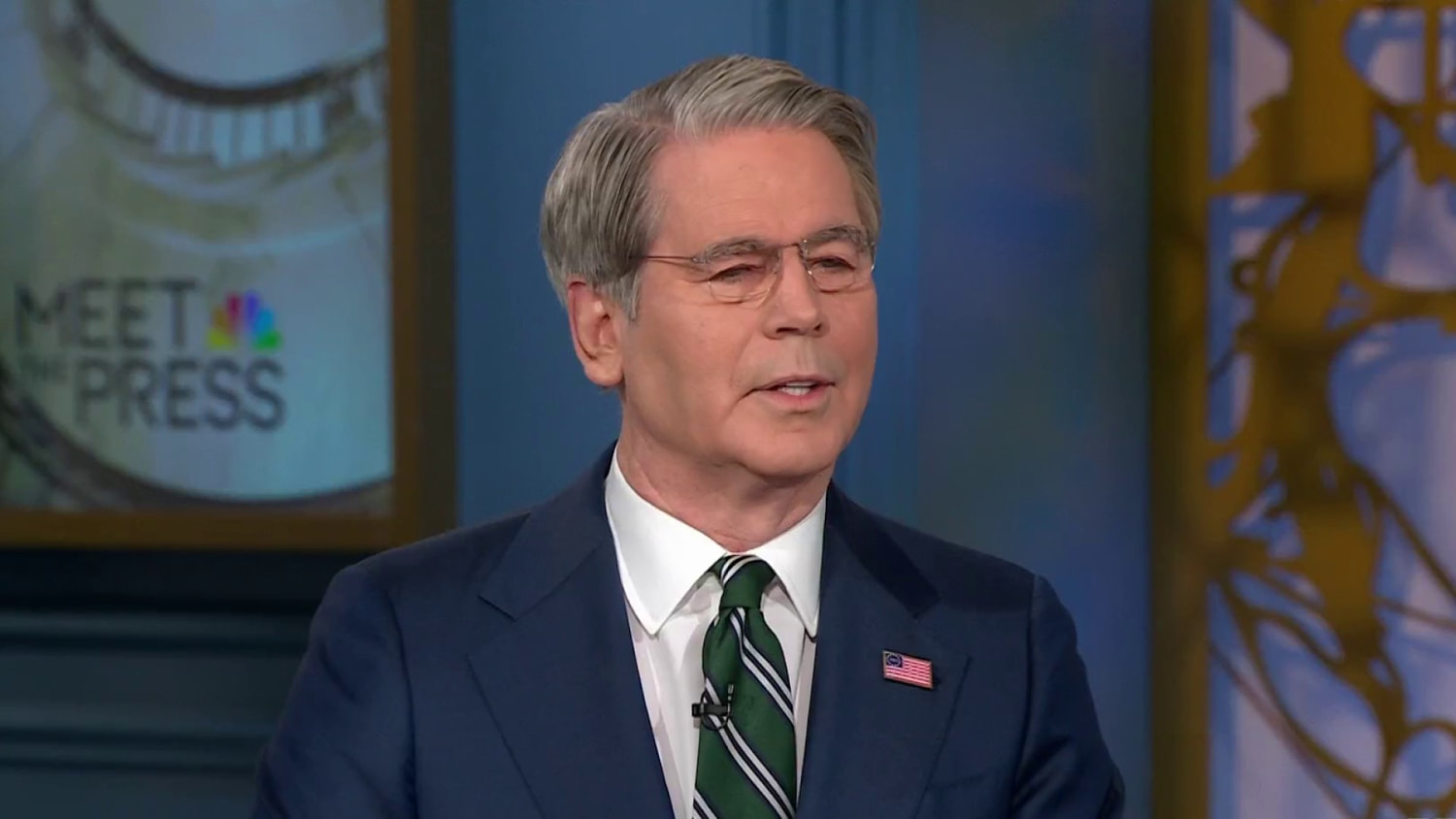
The United States Treasury Secretary, Scott Bessent, has come out in defense of the country's military actions in Iran, stating that escalation can sometimes be a necessary step to de-escalate tensions.
According to Bessent, the Trump Administration's decision to remove sanctions on Iranian oil was a calculated move aimed at reducing the economic burden on the Iranian people. He emphasized that the decision was not taken lightly and was based on a thorough analysis of the situation. The Treasury Secretary noted that the cost of war with Iran would be extremely high, both in terms of human lives and economic costs. Bessent pointed out that the removal of sanctions has led to an increase in Iranian oil exports, which has helped to stabilize the global oil market.
The writer notes that the United States has a significant interest in maintaining stability in the Middle East, given its strategic location and the presence of key allies in the region. The removal of sanctions on Iranian oil has been seen as a key step in this direction. As the global oil market continues to navigate the complexities of the Iran-US relationship, the implications of Bessent's statement are far-reaching.
The international community is closely watching the developments in the region, with many experts warning of the potential consequences of military action. As tensions between the United States and Iran continue to simmer, the world waits with bated breath for the next move.
The US Treasury Secretary's statement on escalating to de-escalate tensions in Iran is a worrying sign of the escalating conflict. The removal of sanctions on Iranian oil was a calculated move, but it remains to be seen whether it will have the desired effect. The global oil market is already reeling from the uncertainty, and the consequences of military action would be catastrophic. As the situation continues to unfold, it is imperative that all parties exercise restraint and seek a peaceful resolution.