US Leads Charge on Iran at G7 Meeting, European Allies Face Scrutiny
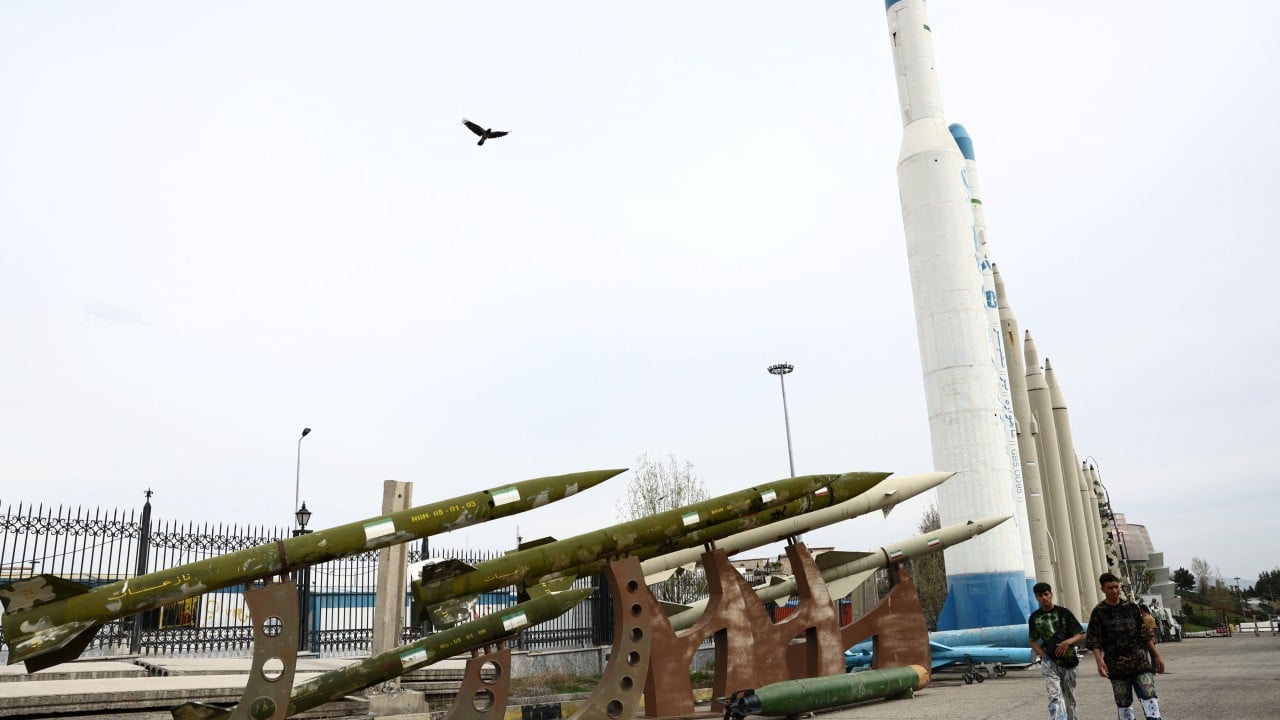
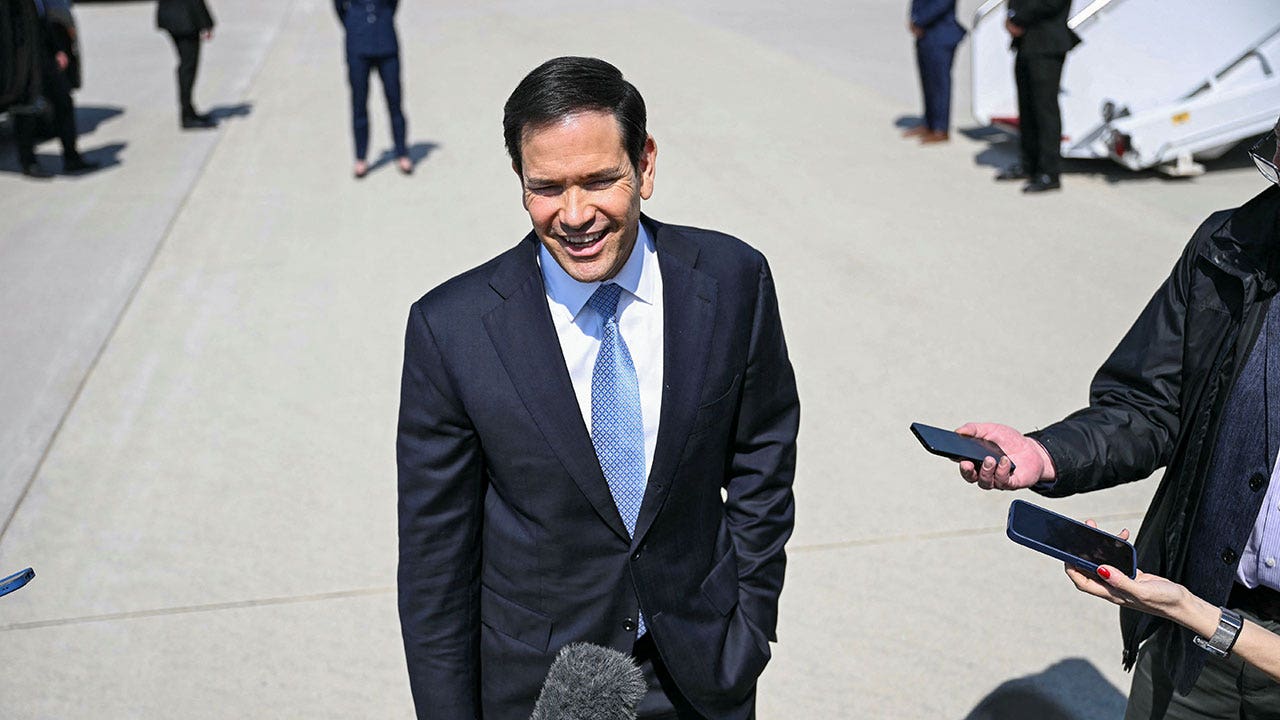
The United States has taken the lead in calling for a strong stance against Iran at the G7 foreign ministers meeting in France. Secretary of State Marco Rubio has emphasized that US priorities will guide the discussion, amidst growing concerns over Iran's nuclear program. European allies have been criticized for their relatively muted response to the crisis, with some calling for a more diplomatic approach.
According to Rubio, the US will not compromise on its stance towards Iran, despite the push from European allies for a more nuanced approach. The US has been at odds with Iran over its nuclear ambitions, and the G7 meeting is seen as a crucial opportunity for the international community to coordinate a unified response.
The meeting comes as tensions between the US and Iran continue to escalate, with the US imposing sanctions on Iran's oil exports. The move has been met with criticism from some European countries, which have traditionally maintained a more conciliatory approach to Iran.
As the G7 foreign ministers deliberate on the issue, the international community is watching closely to see if a unified stance can be agreed upon. The outcome of the meeting will have significant implications for global security and the future of the Iran nuclear deal.
The US has taken a bold stance on Iran, but it remains to be seen if its allies will follow suit. The tepid response from European countries is a worrying sign that the international community may not be as united as it needs to be in the face of growing threats from Iran. The G7 meeting is a critical opportunity for the world's leading powers to coordinate a unified response to the crisis, and it is imperative that they put aside their differences and present a strong front against Iran's nuclear ambitions.