Iran Closes Strait of Hormuz to Shipping from Enemy Ports
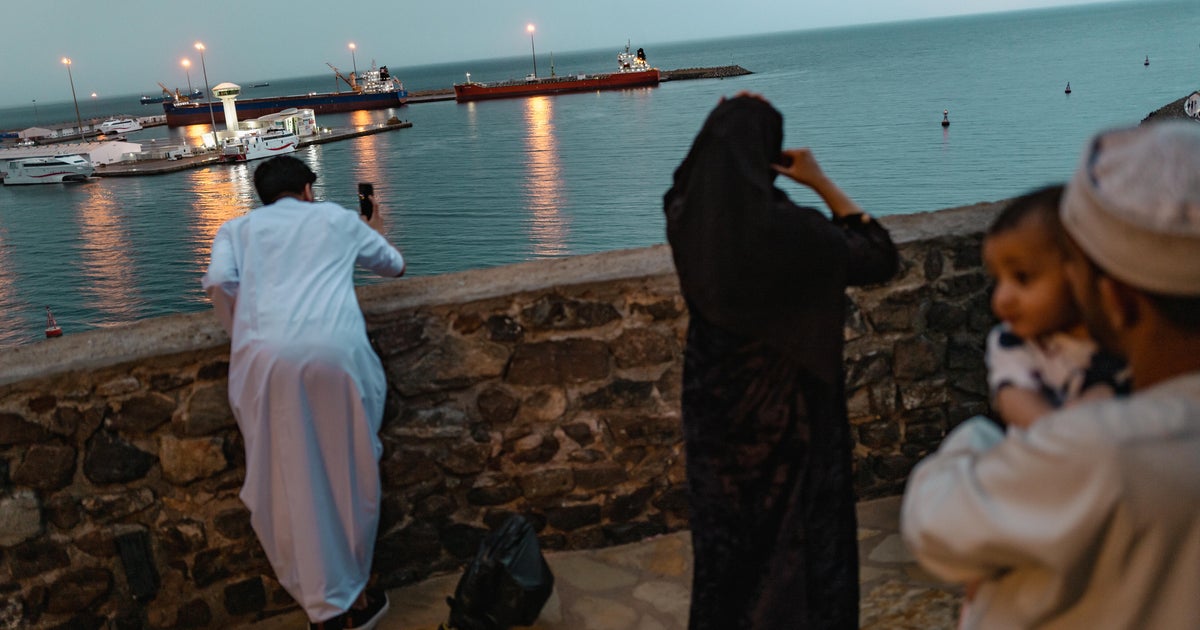
Iran's Revolutionary Guards have effectively blocked the Strait of Hormuz, a crucial shipping route, by turning back three container ships attempting to transit the waterway. The move is part of a broader warning by the Guards against vessels traveling to or from ports associated with Iran's perceived enemies, including the United States and Israel. The Guards' decision to restrict shipping through the Strait of Hormuz is a significant escalation of tensions in the region, following a month-long conflict that began with US and Israeli attacks on Iran. The Strait of Hormuz is a vital artery for global oil trade, with over 20% of the world's oil passing through it.
The Iranian Revolutionary Guards have also issued a warning to civilians in the Middle East, advising them to stay away from areas near US forces. This move comes as US President Donald Trump extended a deadline for Iran to open the Strait of Hormuz, pushing it from Friday to April 6. Trump claims the Islamic Republic wants to negotiate a deal to end the conflict, but the Guards' actions suggest otherwise.
The closure of the Strait of Hormuz has significant implications for global energy markets, with oil prices likely to rise as a result of the disruption to shipping. The conflict in the region is a major concern for international powers, with the potential for a wider war threatening global stability.
The latest move by Iran's Revolutionary Guards is a stark reminder of the escalating tensions in the Middle East. The closure of the Strait of Hormuz has far-reaching implications for global energy markets, and it is imperative that international powers intervene to prevent a wider conflict. The US and its allies must take a firm stance against Iran's aggressive actions, while also engaging in diplomatic efforts to find a peaceful resolution to the crisis.