Reform Failure Could Drive Members To Alternative Trade Deals- WTO
**World Trade Organization Faces Crucial Test as Reform Talks Loom**
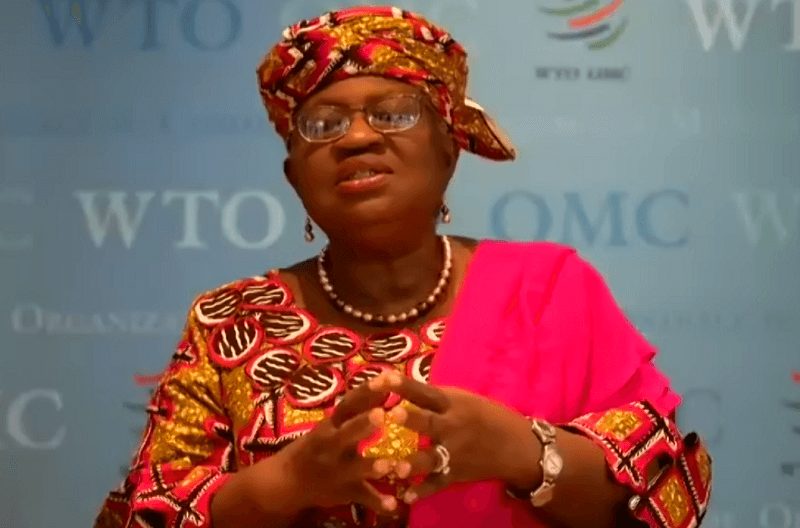
The World Trade Organization (WTO) is bracing for a challenging ministerial meeting in Yaounde, Cameroon, next week, as member states struggle to agree on a credible reform pathway. According to WTO Director-General Ngozi Okonjo-Iweala, the organization faces a difficult meeting, despite members broadly acknowledging the need for reform.
**Global Uncertainty and Trade Tensions**
The meeting takes place against the backdrop of heightened global uncertainty, including the economic fallout from the ongoing U.S.-Israeli war on Iran, which has disrupted energy supplies and raised fresh concerns about inflation, growth, and the stability of global markets. Additionally, renewed tariff tensions driven by U.S. President Donald Trump's trade measures have deepened doubts over the strength of the rules-based trading order and amplified scrutiny of the WTO's effectiveness.
**Divisions Over Reform Pathway**
Although many WTO members support reform in principle, divisions remain over how to structure a roadmap for change. Diplomats familiar with the discussions say those disagreements could encourage major trading nations and blocs to intensify work on smaller, like-minded coalitions and sector-specific agreements if progress in Yaounde proves limited. Swedish Trade Minister Benjamin Dousa stated, "Our Plan A is to get reform within the WTO system, but there are many hurdles."
**Alternative Trade Arrangements**
Failure at the Yaounde talks could lead to a shift towards alternative trade arrangements outside the multilateral system. Dousa added that failure at the talks would encourage the European Union to pursue what he described as a parallel track. Such a shift could see the European Union deepen cooperation with members of the Comprehensive and Progressive Agreement for Trans-Pacific Partnership (CPTPP), alongside other like-minded economies. The CPTPP includes 12 countries such as Australia, Japan, Canada, Mexico, Malaysia, and the United Kingdom.
**Supplementing the WTO**
Two EU diplomats said this approach would serve as a supplement to the WTO, rather than a replacement, by enabling willing members to advance agreements among themselves in areas where broader consensus has proved difficult. Officials say closer engagement between the EU and CPTPP countries could allow participants to negotiate rules in targeted areas while still advocating broader reform within the WTO framework. Dousa stated that plurilateral agreements, in which participating countries undertake binding commitments without full membership-wide backing, may become an increasingly important fallback option if formal reform talks stall.
Source: Original Article • AI-enhanced version


