African Countries Resort to Unconventional Measures to Mitigate Economic Impact of Iran Conflict
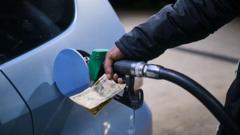
African nations are taking drastic steps to mitigate the economic effects of the ongoing Iran conflict, which has led to a surge in global energy prices. In Zimbabwe, a vendor named Nicole Mazarura has been forced to absorb the financial burden of increased transportation costs, despite her inability to raise the prices of her soft drinks. The rising fuel costs have significantly impacted her business, with her expenses doubling depending on the time of day and location of her product suppliers.
The writer notes that the economic strain caused by the conflict is being felt across various sectors, with many individuals and businesses struggling to cope with the rising costs. The situation is further exacerbated by the limited availability of alternative energy sources, leaving many countries vulnerable to the fluctuations in global oil prices.
In many African countries, the situation is compounded by existing economic challenges, including high inflation rates and limited access to affordable energy sources. The impact of the Iran conflict on the continent's economy is a pressing concern, with many experts warning of potential food and fuel shortages.
As the conflict continues to escalate, African countries are likely to face significant economic challenges, with many individuals and businesses struggling to stay afloat. The situation is a stark reminder of the interconnectedness of the global economy and the need for African nations to develop sustainable energy solutions to mitigate the effects of external shocks.
The Iran conflict has exposed the vulnerability of African economies to external shocks, highlighting the need for sustainable energy solutions and economic diversification. The continent's reliance on imported fuel has left many countries exposed to price fluctuations, with far-reaching consequences for businesses and individuals. As the conflict continues, it is essential that African nations explore alternative energy sources and develop strategies to mitigate the economic impact of global events.