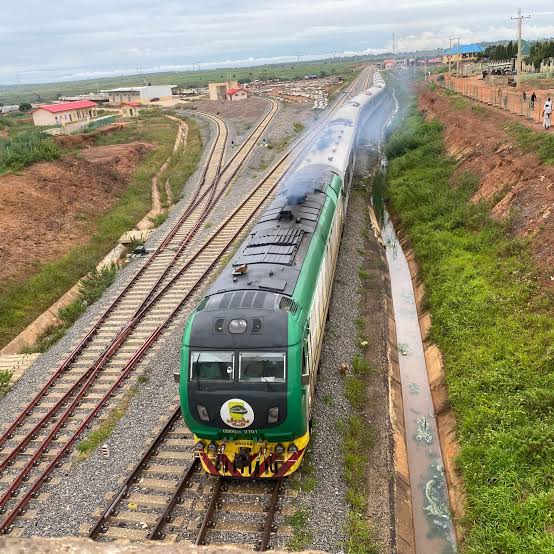
Nigeria's railway sector has been on a long and arduous journey to recovery, marked by fits and starts. The country's century-old railway history reflects broader patterns of infrastructure development, governance, and economic transformation. At its peak, the railway system connected farms to markets, linked cities across vast distances, and moved millions of passengers and goods annually. However, successive governments prioritised road construction over railway development, leading to a decline in rail transport. As a result, the railway system that once connected major cities like Lagos to Kano and Port Harcourt to Enugu gradually collapsed under the weight of aging infrastructure and inadequate funding.
Experts point out that modernisation of projects such as the Lagos-Kano Standard Gauge Railway aims to reverse decades of neglect. However, without strong governance reforms, improved security, and sustainable funding models, Nigeria's railway revival could face the same challenges that undermined the system in the past. The Minister of Transportation has acknowledged that funding constraints remain a major challenge, as railway construction requires significant financial resources. Furthermore, security threats and vandalism have also affected rail infrastructure in recent years.
Nigeria's railway sector has a significant connection to the country's early economic integration, with many towns and cities growing around railway stations. The railway network played a key role in supporting commerce and national integration during the early post-independence years. However, the sector's decline has had far-reaching consequences, including the loss of revenue and the decline of passenger traffic.
The rehabilitation of the Lagos-Kano old narrow gauge for freight of goods from the seaport is a step in the right direction, but it remains to be seen whether this initiative will be successful. The Minister of Transportation has convened a conference to assemble railway experts and industry players to share knowledge and experience across jurisdictions on emerging trends.
Nigeria's railway sector has been plagued by decades of neglect, and it will require more than just modernisation to reverse the damage. The government must address the issue of funding constraints and implement strong governance reforms to ensure the long-term sustainability of the sector. Furthermore, the country must address the security threats and vandalism that have affected rail infrastructure in recent years. Only then can Nigeria's railway sector truly begin to thrive and play a key role in the country's economic development.