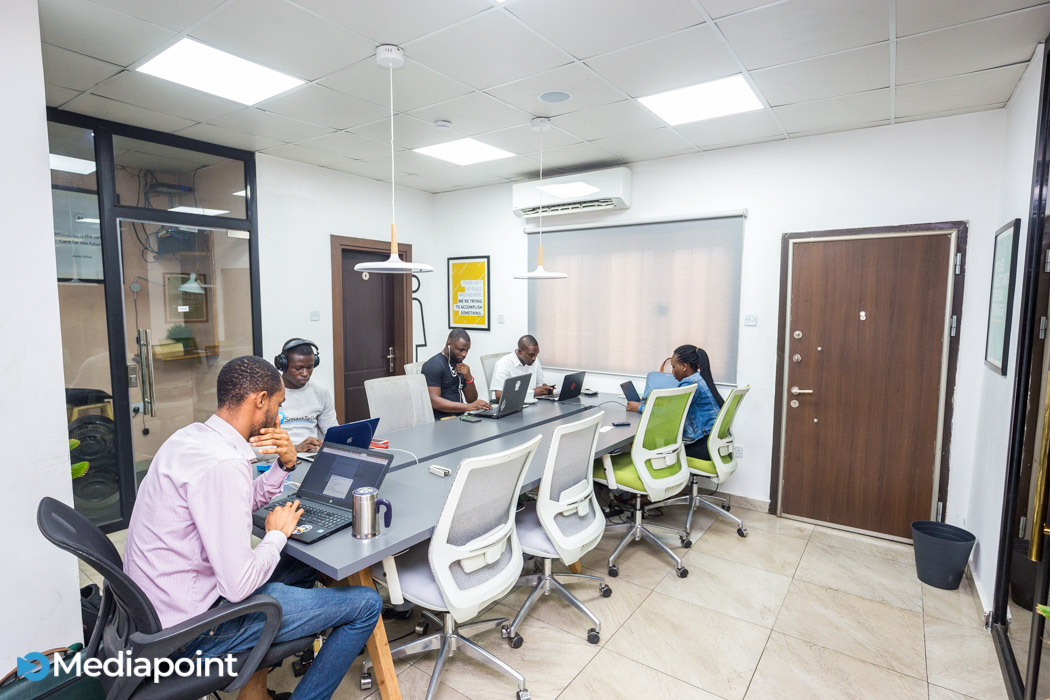
Nigeria's power problem is having a devastating impact on co-working spaces, forcing operators to make difficult decisions about their businesses. One such operator, Edward Esene, has been forced to relocate his co-working space and incubation hub in Alausa, Lagos, due to exorbitant electricity costs. According to Esene, his light bill in Alausa exceeds ₦200,000 a month, with costs rising to ₦400,000 when all air conditioners are on. This is unsustainable for a small business, and Esene is planning to move to a Band B area, where he expects to cut his energy bill by as much as half.
The issue is not unique to Esene's business. Nigeria's power problem is a widespread issue that affects many co-working spaces across the country. The Nigeria Electricity Regulatory Commission introduced a service-based tariff system in 2020, which has made electricity more expensive for businesses in Band A zones. While Esene's co-working space is theoretically guaranteed near-continuous supply in a Band A zone, the reliability comes at a premium. In contrast, businesses in Band B areas pay less for electricity but receive less power.
The impact of Nigeria's power problem on co-working spaces is significant. Electricity costs can account for 20% to 40% of operating costs, and when tariffs rise or supply falters, margins quickly evaporate. This is a major concern for entrepreneurs and small business owners who rely on co-working spaces for stability and predictability. The trend is not limited to Lagos, with other major cities like Abuja and Port Harcourt also experiencing the same issues.
As Nigeria's technology industry continues to expand, the need for reliable and affordable electricity is becoming increasingly pressing. The country's power problem is a major obstacle to growth and development, and it is essential that the government takes steps to address this issue.
💡 NaijaBuzz TakeThe crippling cost of electricity is a major challenge for Nigeria's co-working sector, and it's a trend that will continue to affect businesses unless the government takes decisive action. While entrepreneurs like Edward Esene are forced to make difficult decisions about their businesses, it's clear that the country's power problem is a major obstacle to growth and development. The Nigerian government must prioritize the development of a reliable and affordable electricity infrastructure to support the country's growing technology industry.