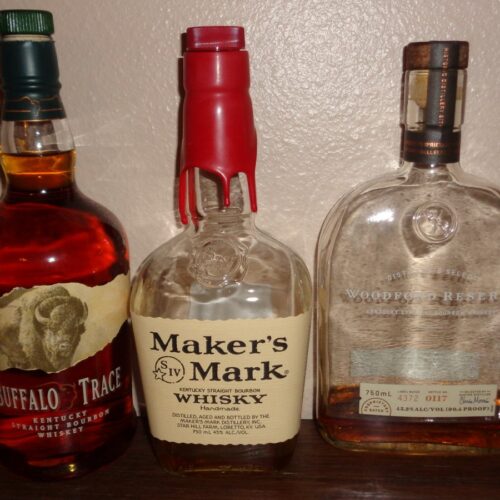
A team of chemists at the University of Kentucky has made a groundbreaking discovery that could turn a major waste product in the bourbon industry into a valuable resource. Bourbon is a multi-billion-dollar market, but the process of producing the popular American whiskey generates a significant amount of waste in the form of stillage, a watery mixture left over from the fermentation process. This waste is typically sold to farmers as livestock feed or soil additives, but it's expensive to dry out and difficult to transport while wet. The researchers have developed a method to transform this stillage into electrodes and use them to build supercapacitors with energy storage capacity on par with existing commercial devices.
The team's innovative approach uses a high-intensity pressure cooking technique known as hydrothermal carbonization to convert the stillage into useful carbon materials. This breakthrough has the potential to reduce waste in the bourbon industry, while also providing a new source of sustainable materials for energy storage applications. The development of supercapacitors with similar energy storage capacity to existing commercial devices is a significant achievement, and it could have far-reaching implications for industries that rely on energy storage solutions.
The bourbon industry is a significant player in the global spirits market, with the United States being the largest consumer of bourbon. The fact that a substantial amount of waste is generated during the production process highlights the need for innovative solutions like the one developed by the University of Kentucky researchers.
💡 NaijaBuzz TakeThe development of sustainable materials for energy storage applications is a crucial step towards reducing waste and promoting eco-friendly practices in industries. This breakthrough has the potential to inspire other companies and researchers to explore innovative solutions for waste reduction and sustainable production. As African tech companies like Flutterwave and Andela continue to innovate and push the boundaries of what is possible, it's exciting to see global developments like this one that could have a positive impact on the environment and the economy.


