Nigeria continues to face severe challenges including widespread insecurity, rising cost of living, and systemic pressures on education and healthcare. Communities across the country grapple with banditry, kidnapping, insurgency, and communal conflicts, making daily life precarious for many. Food prices have surged, forcing families to make difficult choices between feeding themselves, paying school fees, and accessing medical care. The burden has grown heavier as some households now face demands for ransom payments.
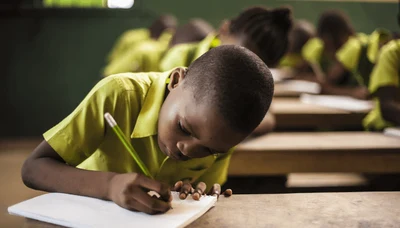
The education sector remains under strain, with many children out of school and public institutions lacking sufficient resources. Schools in conflict-prone areas operate under constant threat from insurgents, while universities struggle with funding issues and recurring disruptions. In healthcare, access to affordable and quality services remains out of reach for large segments of the population. Despite these conditions, farmers continue cultivating land, entrepreneurs launch businesses, and teachers persist in educating students.
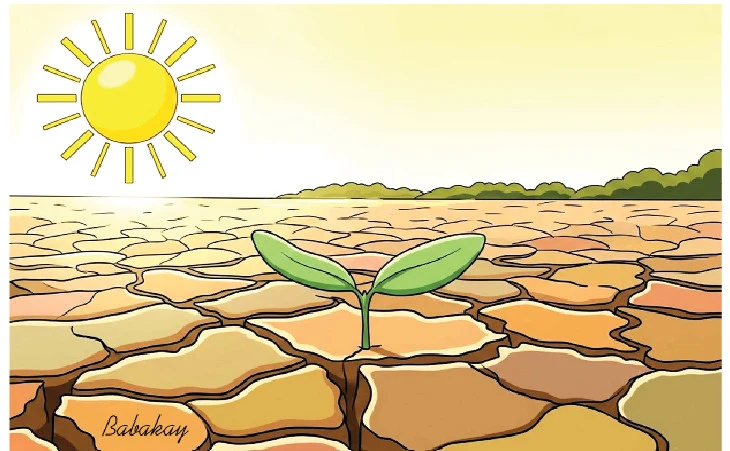
These everyday acts of perseverance occur even as trust in institutions declines and political divisions deepen. Economic uncertainty, inflation, and climate-related disasters add to the strain felt across households. While progress has historically been uneven and slow, the resilience of Nigerians has remained a constant through past crises. The persistence of ordinary citizens in working, building, and serving is presented as a form of active hope in the face of adversity.
The same institutions expected to provide stability are failing to protect citizens from insecurity and economic hardship. Ordinary Nigerians bear the cost of this collapse through daily acts of survival that substitute for systemic solutions. When teachers teach under threat and farmers work land at risk of attack, it is not inspiration—it is evidence of state absence. Hope persists not because systems work, but because people refuse to wait for them to.
💡 NaijaBuzz Take is AI-assisted editorial opinion, not established fact. Full disclaimer →