Kenya’s BasiGo enters fixed-route commuting once targeted by Swvl
**Electric Buses Hit the Roads of Nairobi: BasiGo's Ambitious Venture**
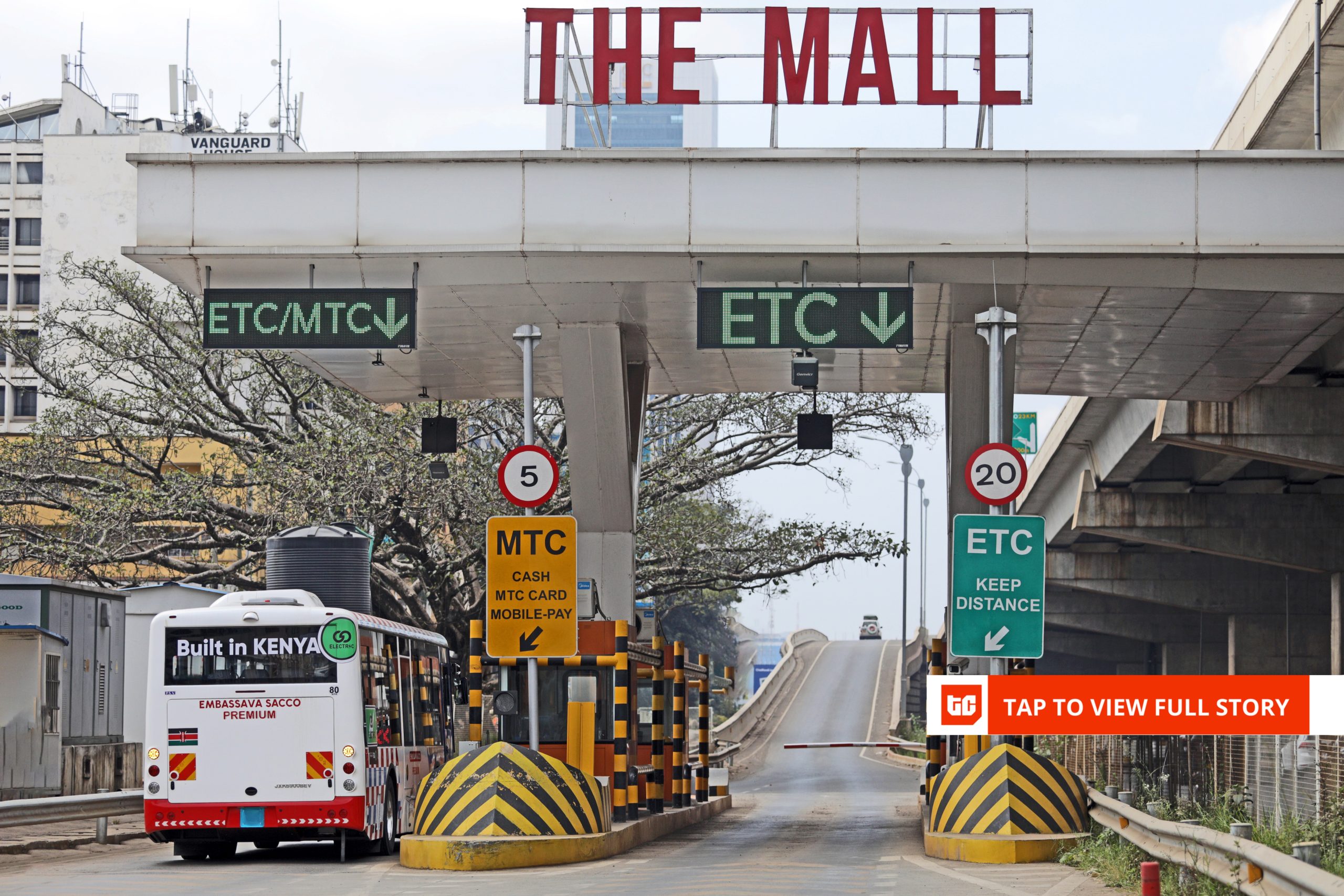
Imagine stepping into a quiet, comfortable bus, with charging ports at your fingertips, and taking a seamless ride to work, all while saving time and money. This is the promise of BasiGo, a Kenyan electric bus startup that's taking on the city's notoriously chaotic transit market. By partnering with local commuter cooperative societies (matatus), BasiGo is launching a scheduled commuter service in Nairobi, dubbed Jenga, which offers fixed-route, non-stop connections between residential estates and commercial hubs.
The move is a bold attempt to formalise a fragmented market that often forces Kenyans to opt for private car ownership due to the unpredictability of public transport. BasiGo's innovative approach is reminiscent of Swvl, an Egyptian mass-transit startup that entered Nairobi in a similar bid to revolutionise office commutes before exiting the market in 2022. However, BasiGo is taking a different path by layering its model onto existing Saccos, or transport cooperative societies, rather than building a parallel fleet.
Using data to drive its operations, BasiGo collects and analyses customer demand to determine which routes are most profitable. This insight allows operators to deploy buses on structured schedules, providing commuters with a reliable and convenient service. The company's Jani booking platform aggregates demand and pre-sells seats, making it easy for customers to plan their journeys.
Commuters from Nyayo Estate to Westlands via the Nairobi Expressway can enjoy a seat for KES 200 ($1.55), while the Mwiki to Upper Hill route costs KES 150 ($1.16). Although these fares represent a premium over standard diesel matatus, the direct nature of the service eliminates the need for expensive and time-consuming secondary connections. For corporate employees, who make up 90% of riders, the trade-off is calculated in reclaimed time – up to 40 minutes off a one-way commute.
BasiGo's financial architecture is designed to de-risk the transition to electric mobility for local operators, who retain 75% of revenue after operating expenses. The startup takes a 20% share, making it a viable option for both parties. As Nairobi's traffic congestion worsens, BasiGo's Jenga service may just be the solution that convinces commuters to ditch their private cars and opt for a more sustainable, efficient, and affordable mode of transport.
Source: Original Article. AI-enhanced version.