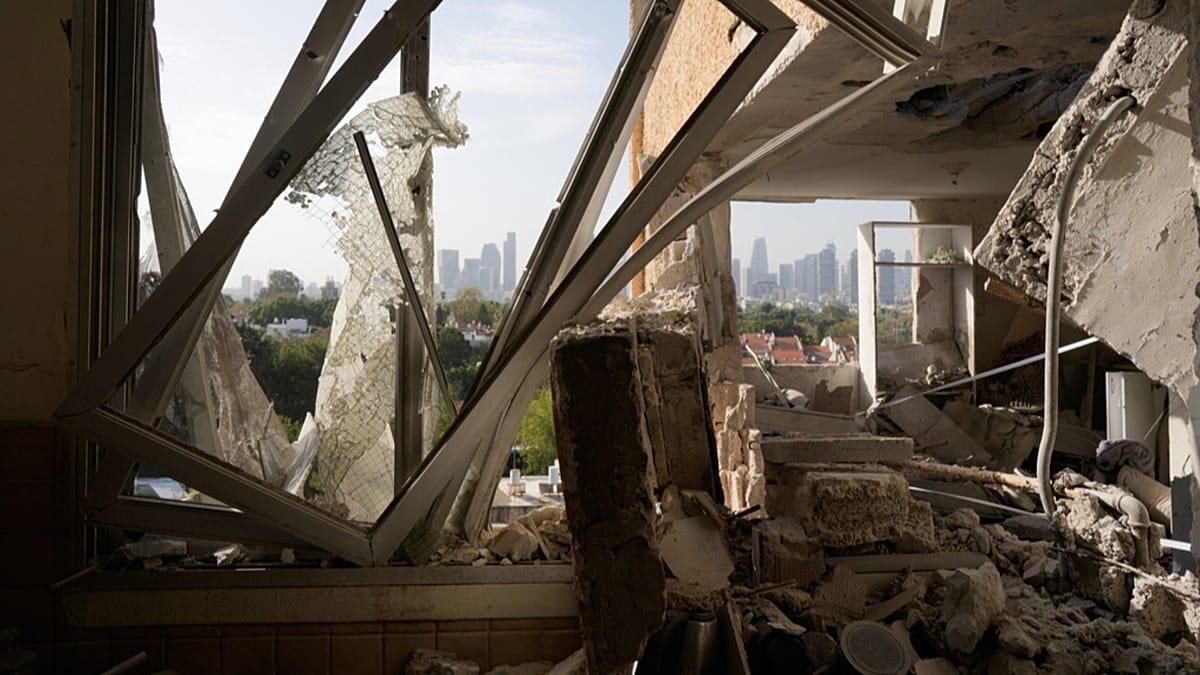
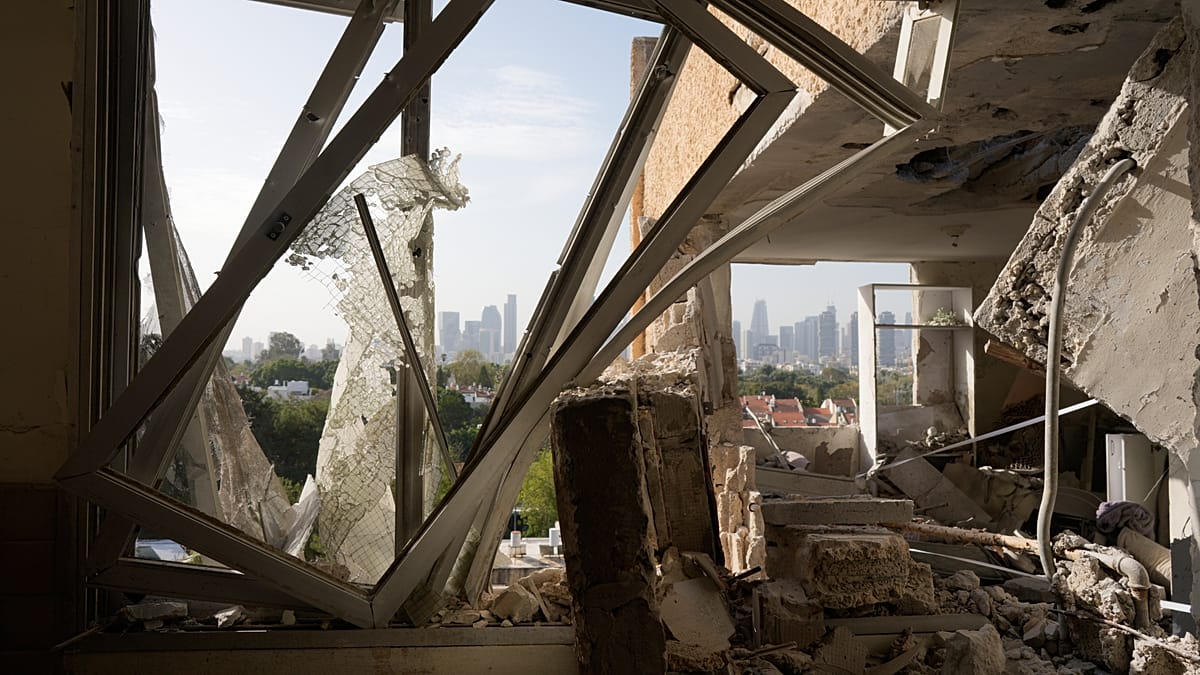
Israel targets more Iran leaders as allies reject Trump's calls for help
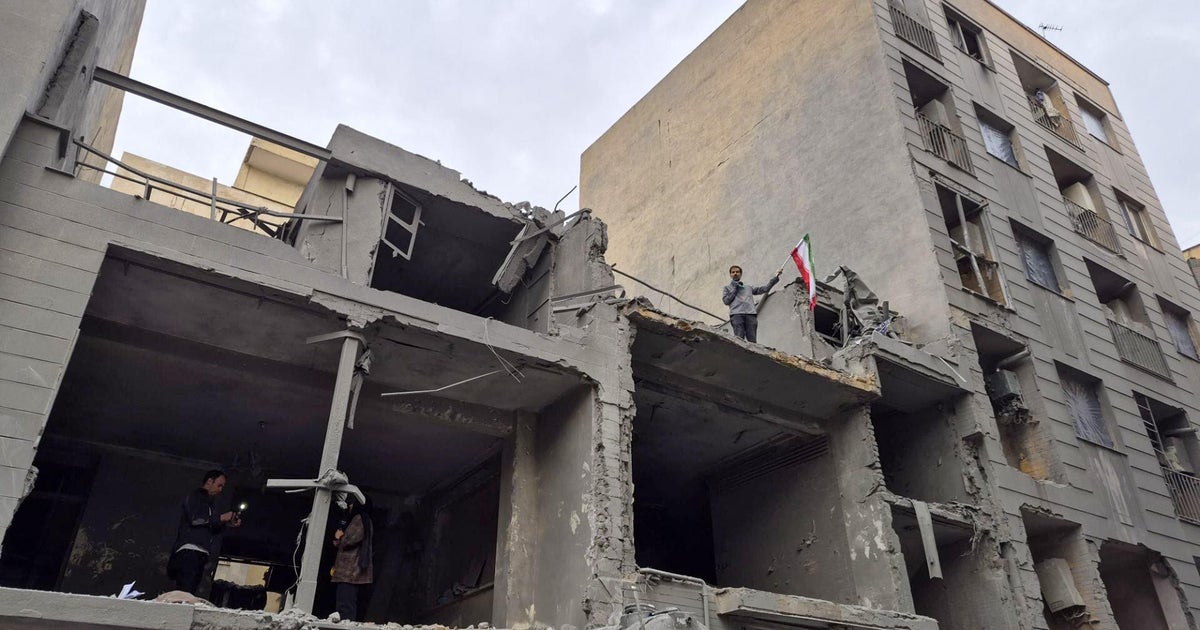
**Israel Strikes Back at Iran as Western Allies Refuse Trump's Plea for Help**
In recent weeks, tensions between Israel and Iran have escalated, with Israel launching a series of targeted attacks on Iranian leaders and military installations. This development comes as a surprise, given the current global landscape, where the United States, under the leadership of former President Donald Trump, has been trying to enlist the support of its Western allies to help secure the oil flow through the Strait of Hormuz, a vital waterway in the Middle East.
The Strait of Hormuz, which connects the Persian Gulf to the Gulf of Oman, is a critical chokepoint for global oil trade. About 20% of the world's oil supply passes through this narrow waterway, making it a vital artery for international trade. However, the region has become increasingly volatile, with Iran's aggressive posturing and the presence of Iranian-backed militias in the area posing a significant threat to regional stability.
In a bid to address this challenge, President Trump had called on his Western allies to join forces with the United States to ensure the free flow of oil through the Strait of Hormuz. However, his plea fell on deaf ears, with many of these countries choosing to maintain a distance from the conflict. This reluctance is not surprising, given the complexities of the Middle East and the deep-seated enmity between Iran and many of its neighbors.
In contrast, Israel has taken a more assertive stance, launching a series of targeted attacks on Iranian leaders and military installations in recent weeks. While the details of these operations remain sketchy, they are believed to be part of a broader effort to disrupt Iran's ability to project power in the region. This approach is not without risks, given the likelihood of Iranian retaliation and the potential for escalation.
The developments in the Middle East are a stark reminder of the complex web of alliances and rivalries that shape global geopolitics. As the world grapples with the challenges of a rapidly changing landscape, one thing is clear: the stakes in the Middle East are high, and the consequences of miscalculation could be devastating.
For Nigeria, which relies heavily on imported oil, the stability of the Middle East is critical to its economic well-being. As the global community navigates the treacherous waters of the Middle East, it is essential that Nigeria and other countries in the region remain vigilant and proactive in addressing the challenges that lie ahead.
Source: Original Article • AI-enhanced version for clarity & Nigerian context
Related Stories