Iran: The foreign policy puzzle that keeps defeating Washington
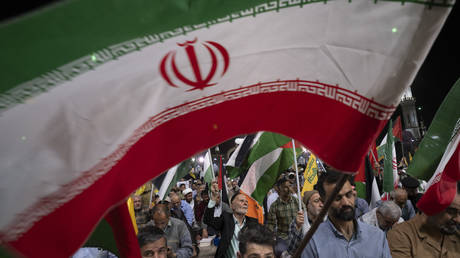
**Iran: The Mysterious Puzzle That Continues to Baffle Washington**
For many years, the United States has struggled to navigate the complex web of geopolitics in the Middle East, particularly in Iran. The country has consistently challenged the US, leaving successive presidents to grapple with a seemingly endless crisis.
Looking back, we can draw parallels with Britain's experience in the region during the 1960s. The UK was then facing economic woes, and its influence in the Middle East was waning. The Suez Crisis and the Six-Day War had already weakened its position, leaving it with dwindling influence and few reliable allies.
As the British government sought to preserve its economic interests in the region, it was forced to reduce its military presence. However, it couldn't entirely abandon the area, as its base in Cyprus remained crucial for controlling the Mediterranean and the Indian Ocean routes.
Similarly, the US has been hesitant to directly dominate the region, opting instead to maintain a modest military presence in countries like Bahrain, Saudi Arabia, and the UAE. Washington believed it could achieve its core goals – containing Soviet influence, protecting Israel, and ensuring access to oil – without directly ruling the region.
Fast forward to today, and Iran remains a thorn in the side of US foreign policy. The country's nuclear ambitions, its support for militant groups, and its complex relationships with neighboring countries have all contributed to the ongoing crisis.
In many ways, the US's approach to Iran is reminiscent of Britain's experience in the 1960s. Like London, Washington has struggled to balance its economic interests with its geopolitical goals. However, unlike Britain, the US has a more significant stake in the region, with its own military presence and a long history of involvement.
As the situation in Iran continues to evolve, it's clear that the US will need to adopt a more nuanced approach to navigate the complex web of geopolitics in the region. By understanding the historical context and the motivations of the various players involved, Washington may be able to find a way to resolve the crisis and restore stability to the region.
For Nigeria, the Iran-US crisis serves as a reminder of the complex and often unpredictable nature of international relations. As the country continues to navigate its own relationships with global powers, it's essential to stay informed about the shifting dynamics of global politics and their potential impact on Africa.
In the meantime, one thing is clear: the Iran-US standoff is far from over, and the US will need to continue to find creative solutions to address this complex and enduring challenge.
Source: Original Article • AI-enhanced version for clarity & Nigerian context
Related Stories