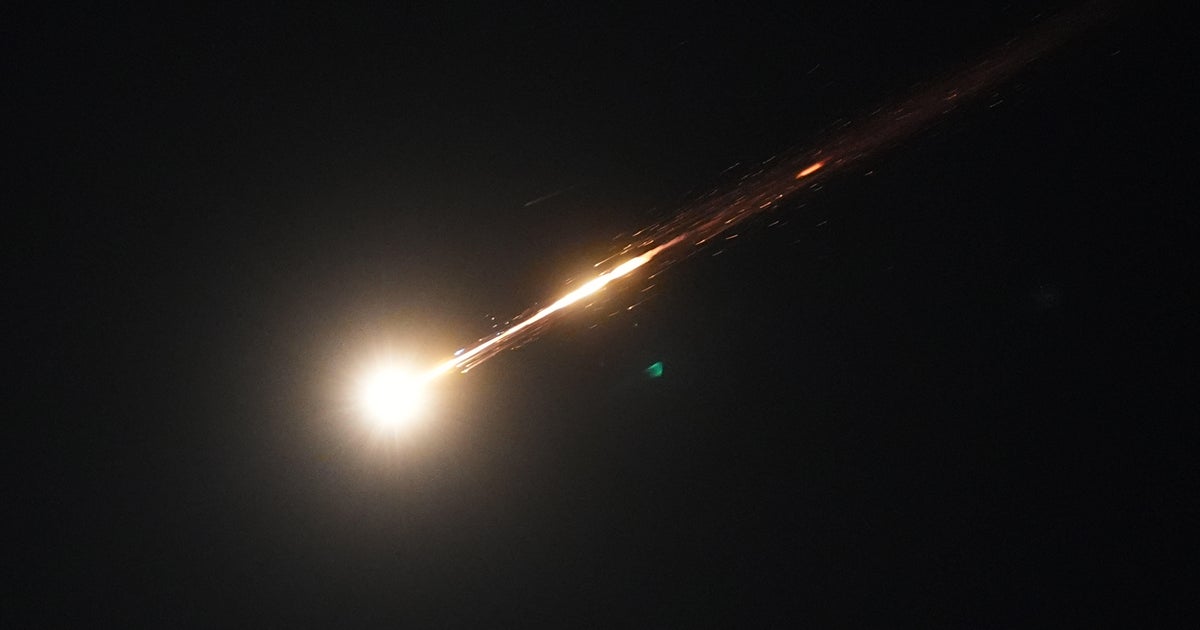
President Donald Trump's announcement of US and Israeli strikes on Iran sparked a war that has engulfed the Middle East, but it also ignited an online information war. Analysts say this war has been dominated by the use of AI-generated content to spread fake news about the conflict. Social media accounts affiliated with the Islamic Revolutionary Guard Corps began posting Iranian propaganda about the war within 24 hours of the strikes, some of which reached a massive audience. These posts included AI-generated videos mocking Trump and claiming to show the devastation Iranian strikes have wrought on Israel and the Gulf states.
The propaganda includes memes and cartoons that are not meant to be perceived as real but are effective at spreading political messaging. These deepfakes portray a version of reality that seems genuine and often paint Iran as more successful in the conflict. Both are being shared widely among communities critical of the war and hungry for this messaging. The accounts analysed in the Clemson study had been used previously for Iranian influence operations designed to exploit regional fault lines to advance Iranian regime interests. The switch to posting war propaganda on platforms like X, Instagram, and Bluesky suggests that Iran quickly overhauled its social media strategy when the war with the US and Israel began.
As the conflict has spiralled over the past month, Iran has relied on both state media outlets and proxies to push its online message as a form of asymmetrical warfare with a view to targeting a US audience. The Iranian regime wants to make the conflict as painful as possible for the US and Israel, and if they can target what supports them, they will.
💡 NaijaBuzz TakeIran's use of AI-generated content to spread propaganda about the conflict is a disturbing development in the information war. By targeting US public opinion, Iran aims to undermine the morale of the US and its allies. The fact that these deepfakes are being shared widely among communities critical of the war highlights the need for increased vigilance in detecting and debunking fake news. The global implications of this online information war are significant, and it remains to be seen how the US and its allies will respond to this new form of asymmetrical warfare.