UN Votes to Condemn Transatlantic Slave Trade as 'Gravest Crime Against Humanity'
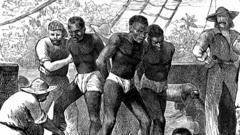
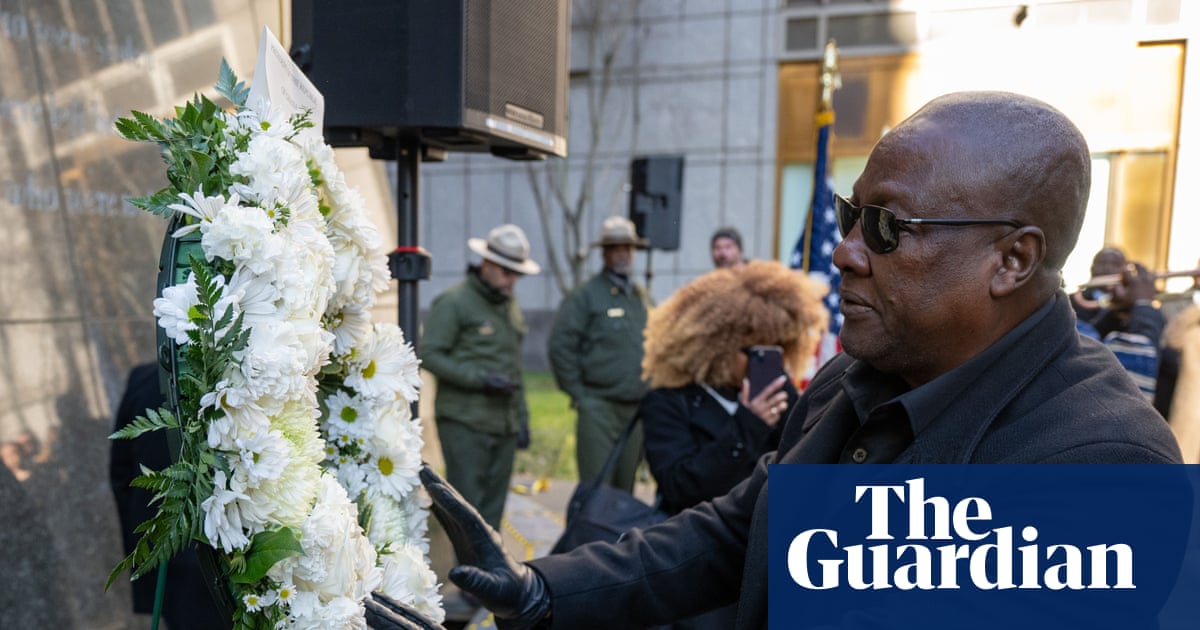
The United Nations has passed a landmark resolution, describing the transatlantic chattel slave trade as the gravest crime against humanity. This move comes after decades of activism and advocacy by various countries, particularly those in Africa and the Caribbean. The resolution was backed by the African Union and the Caribbean Community, with Ghana's president, John Dramani Mahama, leading the charge. In his proposal, Mahama emphasized the importance of acknowledging the dark history of slavery and its ongoing impact on global challenges. The resolution was met with widespread support, with 123 countries voting in favour, while Argentina, Israel, and the United States voted against. The United Kingdom and several European Union member states abstained from the vote.
The resolution's passage marks a significant step towards recognizing the historical injustices perpetrated during the transatlantic slave trade. Historians have long argued that the scale and brutality of the trade warrant its classification as a crime against humanity. The resolution also calls for reparations as a means of addressing the lingering impact of slavery on communities affected. This move is seen as a crucial step towards rectifying historical wrongs and promoting greater understanding and empathy.
As the resolution takes effect, advocates are pushing for further action. In the United Kingdom, a petition was presented to the House of Commons, calling for a state apology for the country's role in slavery and colonialism. The petition highlights the ongoing legacies of enslavement and empire, including racism, inequality, and climate breakdown. As the world grapples with these challenges, the passage of this resolution serves as a powerful reminder of the need for collective action and accountability.
💡 NaijaBuzz TakeThe UN's landmark resolution is a long-overdue recognition of the transatlantic slave trade's heinous nature. By condemning this atrocity as a crime against humanity, the international community takes a crucial step towards acknowledging the dark history of slavery and its ongoing impact on global challenges. The resolution's call for reparations is a vital step towards rectifying historical wrongs and promoting greater understanding and empathy. As the world moves forward, it is imperative that nations work together to confront the legacies of enslavement and empire, and to build a more just and equitable future for all.