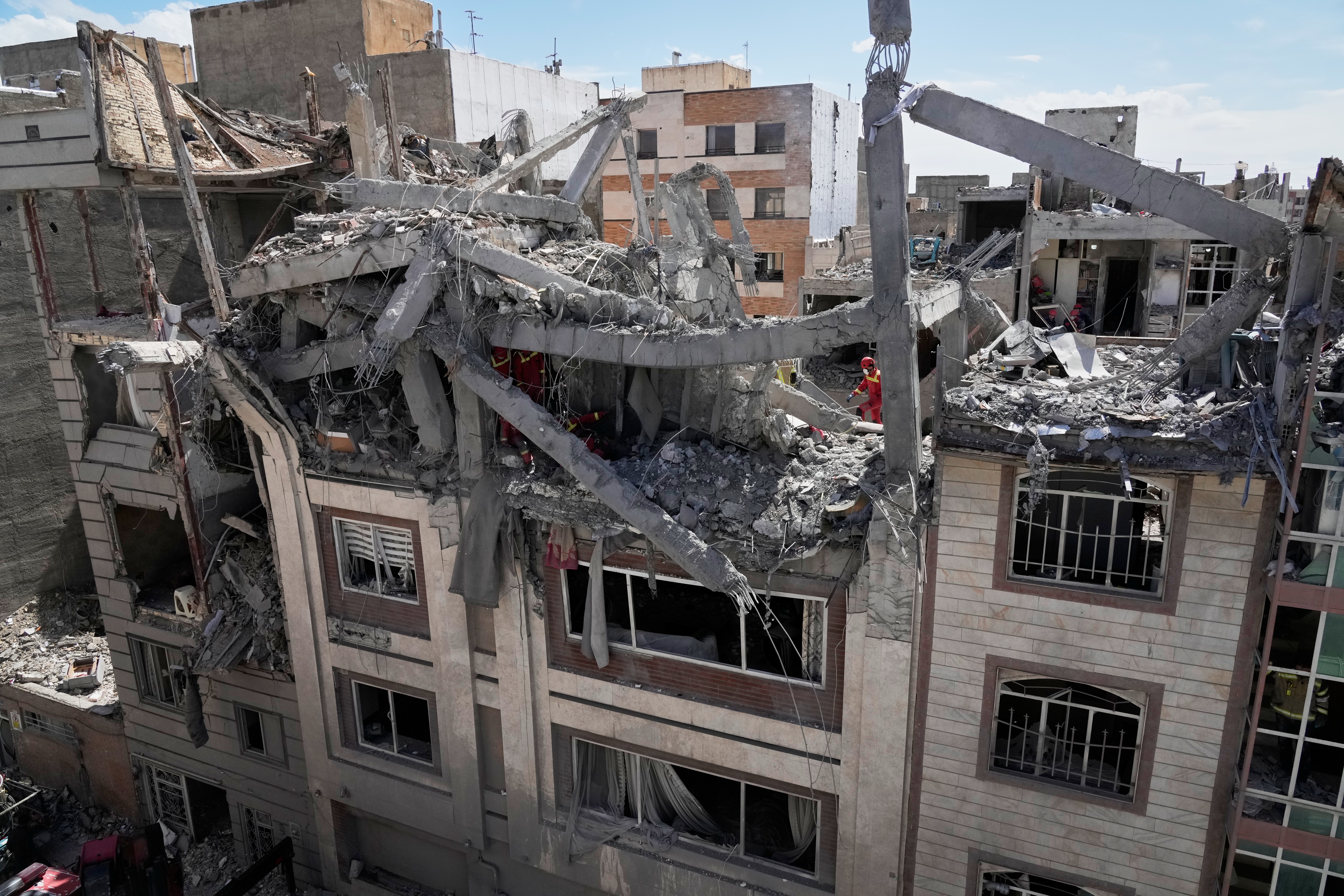
Israel has intensified its military strikes on Iran, warning of further escalation and expansion of its attacks. The Israeli military has targeted sites in the heart of Tehran, used by Iran to produce ballistic missiles and other weapons. Defense Minister Israel Katz stated that Iran will face severe consequences for its actions, with the country's military continuing to intercept Iranian missiles and drones. The conflict has caused widespread economic disruption, with stock markets plummeting and oil prices rising sharply.
The global implications of the conflict are far-reaching, with the Strait of Hormuz, a strategic waterway through which a significant portion of the world's oil is shipped, currently under Iran's control. The United States has offered a 15-point proposal for a ceasefire, which includes restrictions on Iran's nuclear program and the re-opening of the Strait of Hormuz. However, Iran has maintained that it is not engaged in any negotiations.
The conflict has also had a significant impact on the region, with several countries, including Saudi Arabia and the United Arab Emirates, reporting missile and drone attacks. Lebanon's Health Ministry has reported two fatalities following a pre-dawn strike in Beirut.
As the conflict continues, the international community is watching closely for any signs of de-escalation. However, with tensions remaining high, it appears that the situation is likely to worsen before it improves.
The ongoing conflict in the Middle East has significant implications for the global economy, with oil prices continuing to rise and stock markets plummeting. The United States' decision to offer a 15-point proposal for a ceasefire is a crucial step towards de-escalation, but Iran's refusal to engage in negotiations suggests that a peaceful resolution may be difficult to achieve. The situation requires careful monitoring, as the consequences of further escalation could be catastrophic.