Iran's retaliation is forcing Gulf nations into a stark choice: Stay out or join the fight
**Escalating Conflict in the Middle East Forcing Gulf Nations to Reconsider Involvement**
A meeting of Gulf state leaders in Riyadh was disrupted by Iranian strikes this week, highlighting the growing tensions in the region. Saudi Arabia's foreign minister, Prince Faisal bin Farhan Al Saud, stated that the attack was timed to coincide with the meeting, intended to intimidate those present and send a message that Iran will not stop.
The conflict, initiated by the U.S. and Israel, has entered its third week, with Iran launching retaliatory strikes against Gulf Arab states. This has forced Gulf nations to consider whether to join the fight or remain neutral. The Saudi foreign minister emphasized that the trust between Iran and its neighbors has been shattered, and the possibility of neighboring nations entering the war should not be dismissed.
During the meeting with representatives from Bahrain, Egypt, Jordan, Kuwait, Lebanon, Pakistan, Qatar, Azerbaijan, Syria, Turkey, and the United Arab Emirates, Prince Faisal bin Farhan Al Saud warned Iran that the kingdom and its partners have significant capabilities that they could bring to bear if they choose to do so. He stated, "I think it's important for the Iranians to understand that the kingdom, but also its partners who have been attacked and beyond, have very significant capabilities and capabilities that they could bring to bear should they choose to do so."
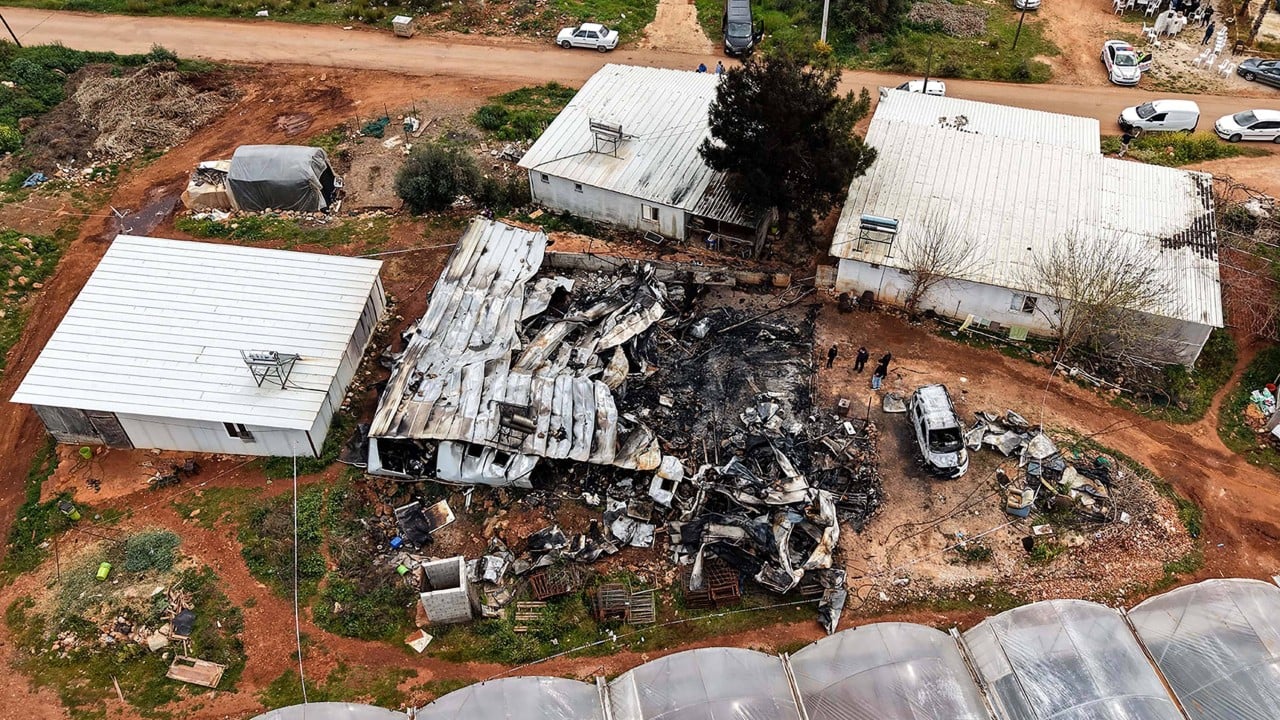
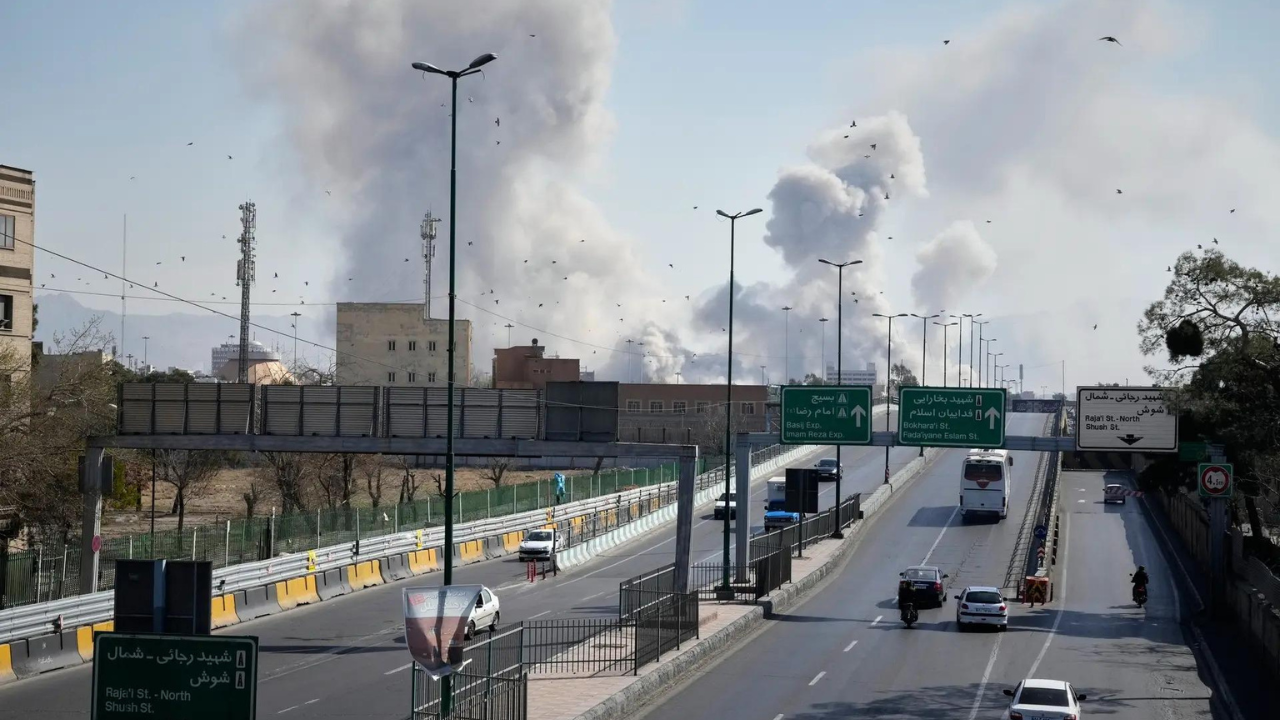
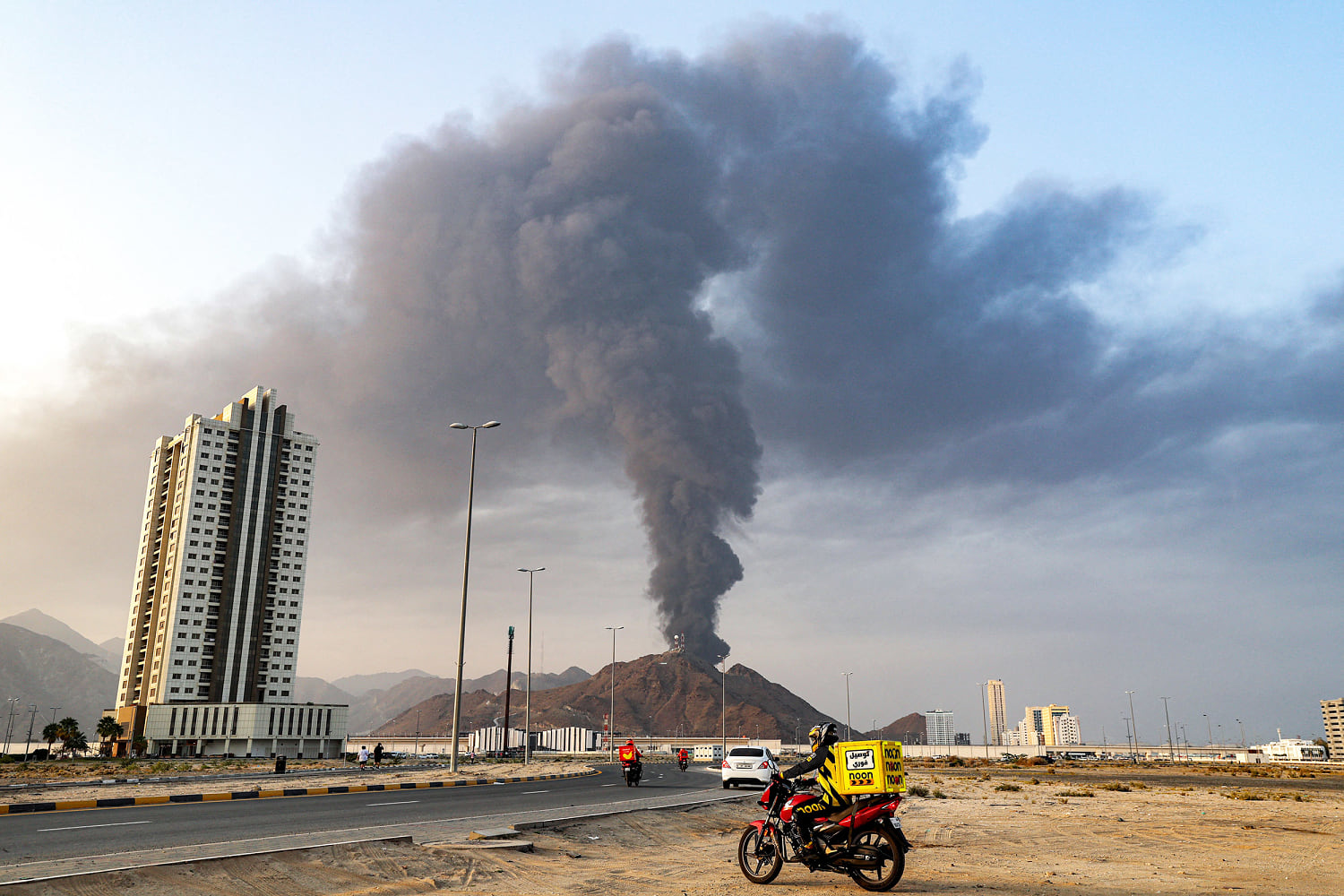
The conflict escalated further when Israel launched a strike on Iran's largest gas field, South Pars, prompting retaliation from Tehran against key energy sites across the Gulf Arab states. The attack resulted in molten fireballs and belching smoke over the Middle East, highlighting the growing threat to the global economy.
Iran's Foreign Minister Abbas Araghchi wrote on X that the response to Israel's attack on their infrastructure employed "a fraction of our power." He stated, _"The ONLY reason for restraint was respect for requested de-escalation. ZERO restraint if our infrastructures are struck again. Any end to this war must address damage to our civilian sites."_ The Qatari Ministry of Foreign Affairs also posted on X, warning that the Iranian escalation, if it continues, "will have dire consequences for it first and foremost, and for the security of the region, and will cost it dearly, casting a shadow on its relations with the countries and peoples of the region, who will not stand idly by in the face of threats to their capabilities."
Countries across the Gulf are anxious to see an end to the conflict, but opinions on how to proceed vary. Some want the U.S. to find an off-ramp as soon as possible, while others are more concerned about the U.S. leaving the Iranian regime intact and vengeful, according to a U.S. official. The six Gulf Cooperation Council ambassadors met with members of the U.S. House Foreign Affairs and Armed Services committees and with senators from the Senate Foreign Relations Committee to discuss the conflict and its implications for the region.
Source: Original Article • AI-enhanced version
Related Stories